Skip to content

Mechatronics Engineer · Sydney, AU

I design hardware that has to work.

Mechanical design, electronics and embedded software — research instrumentation, UAV payloads and production machinery, taken from concept to a thing you can put in someone's hands.

PDF · Updated February 2026

About

Between the disciplines

I'm a mechatronics engineer with a bachelor's from the University of Wollongong (Honours Class II, Division 1) and seven years across research, prototyping and production manufacturing.

Most of my work sits in the gap between disciplines — the custom instrument that doesn't exist off the shelf, the payload that has to survive a field test, the machine that needs a mechanical redesign and a firmware fix in the same afternoon. I've built research instrumentation at the University of Sydney, drone payloads for high-voltage powerline inspection, and custom heavy-transport trailers certified to Australian standards.

I like problems where the constraint is physical, and I care about the difference between a prototype that demos and a system that holds up.

  • Mechanical design

    SolidWorks assemblies, design for manufacture, engineering drawings to AS1100, compliance with the Road Vehicle Standards Act 2018.

  • Electronics & PCB

    Schematic capture and PCB layout in KiCad, power and signal management, SMD and through-hole assembly, hand soldering under microscope.

  • Embedded & software

    C++ and Python for sensor interfacing and automation, MATLAB for data acquisition and benchmarking, custom scripts for workflow tooling.

  • Manufacturing

    CNC machining, wire EDM, 4-axis fibre laser cutting, brake press, TIG welding, FDM 3D printing — operated, commissioned and trained others on.

  • Instrumentation

    Sensor selection and interfacing, data acquisition rigs, fail-safe design, validation with oscilloscopes, multimeters and simulators.

  • Project delivery

    Translating client requirements into feasible designs, coordinating builds, mentoring workshop staff, and owning deliverables to milestone.

Selected work

Things I’ve designed and built

Research instrumentation, UAV payloads and production machinery. Expand any card for the detail.

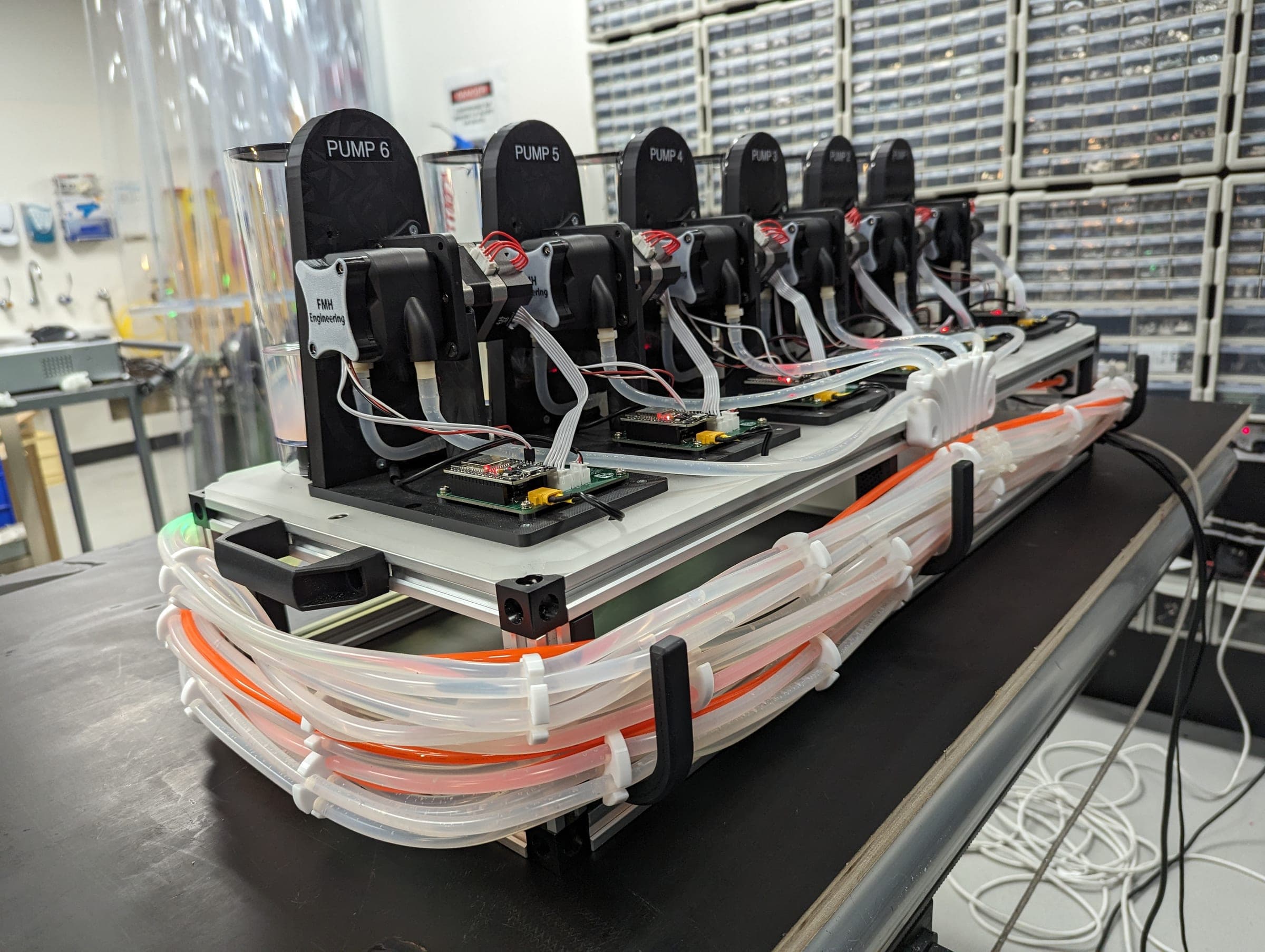
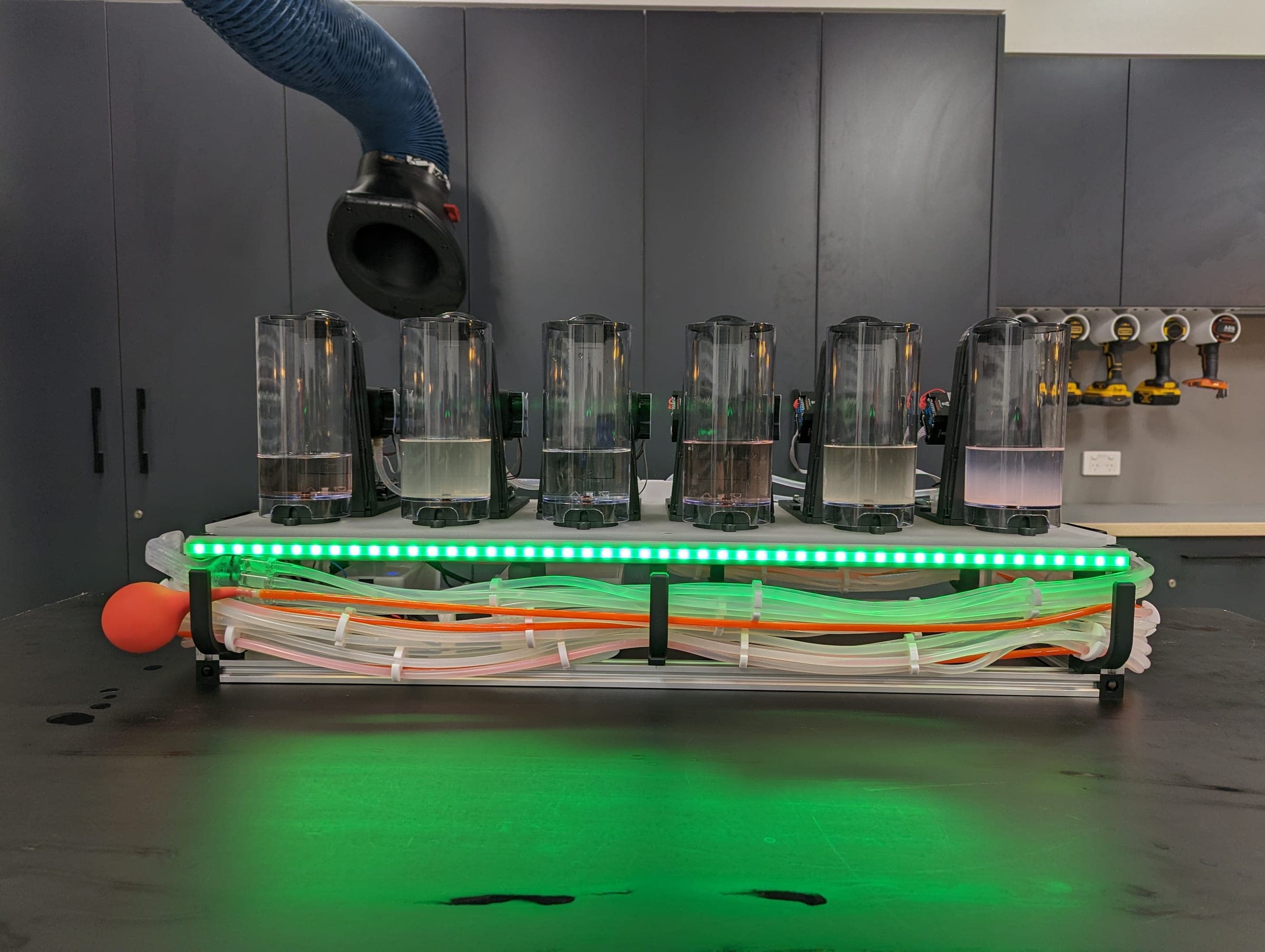
Six-channel gustometer with fluid reservoirs, colour-coded tubing and its illuminated status bar

The University of Sydney

Research Gustometer

A custom taste-delivery instrument built for clinical research, handling fluids across a wide viscosity range with repeatable dose control and fail-safe interlocks.

  • Instrumentation
  • Sensors
  • Pump Control
  • Fail-safe Design
Read more
  • Six-channel gustometer with fluid reservoirs, colour-coded tubing and its illuminated status bar
  • Side view of the six independently controlled peristaltic pump modules and routed fluid lines
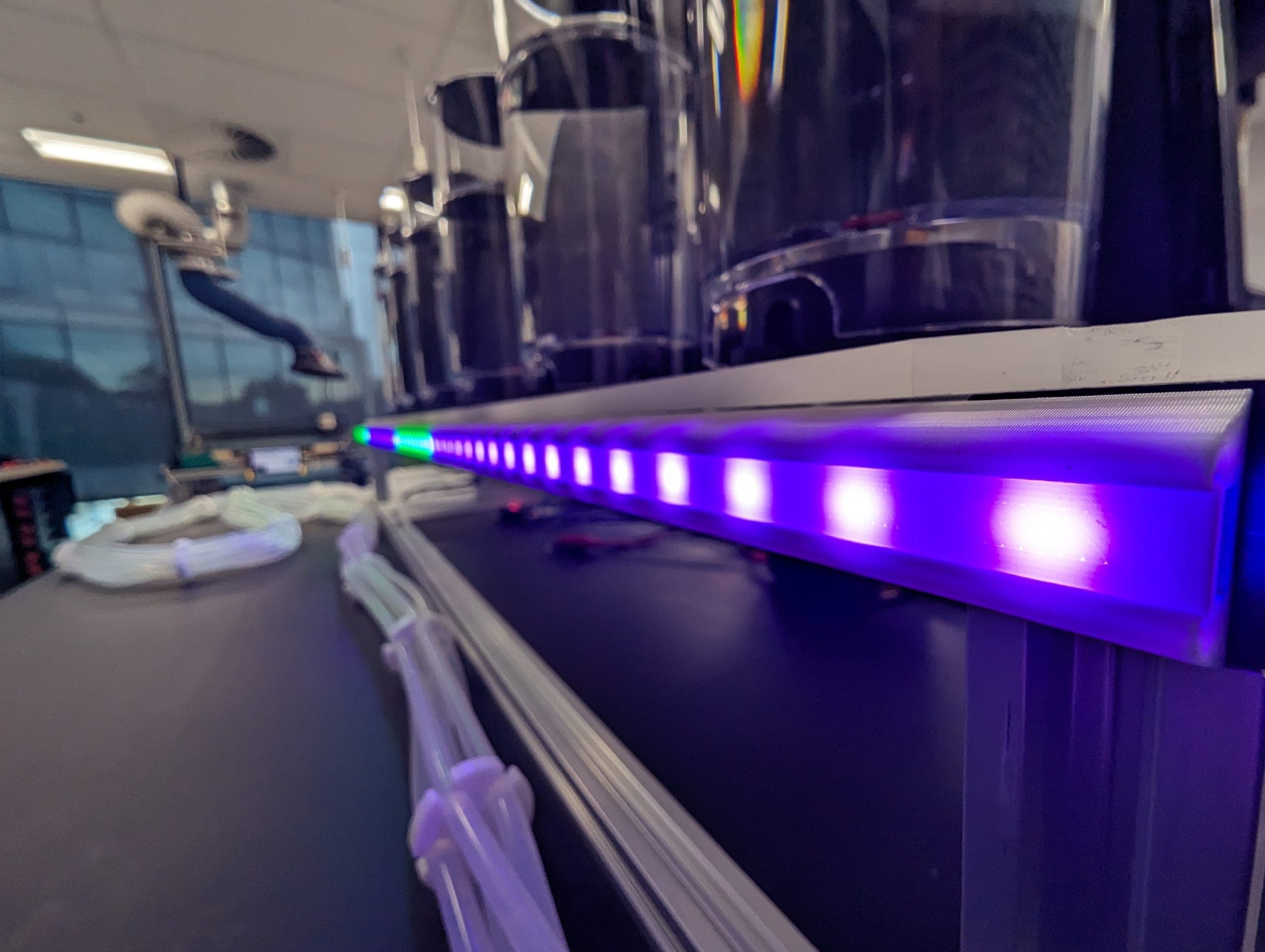
  • Close-up of the gustometer status light bar illuminated beneath the fluid reservoirs
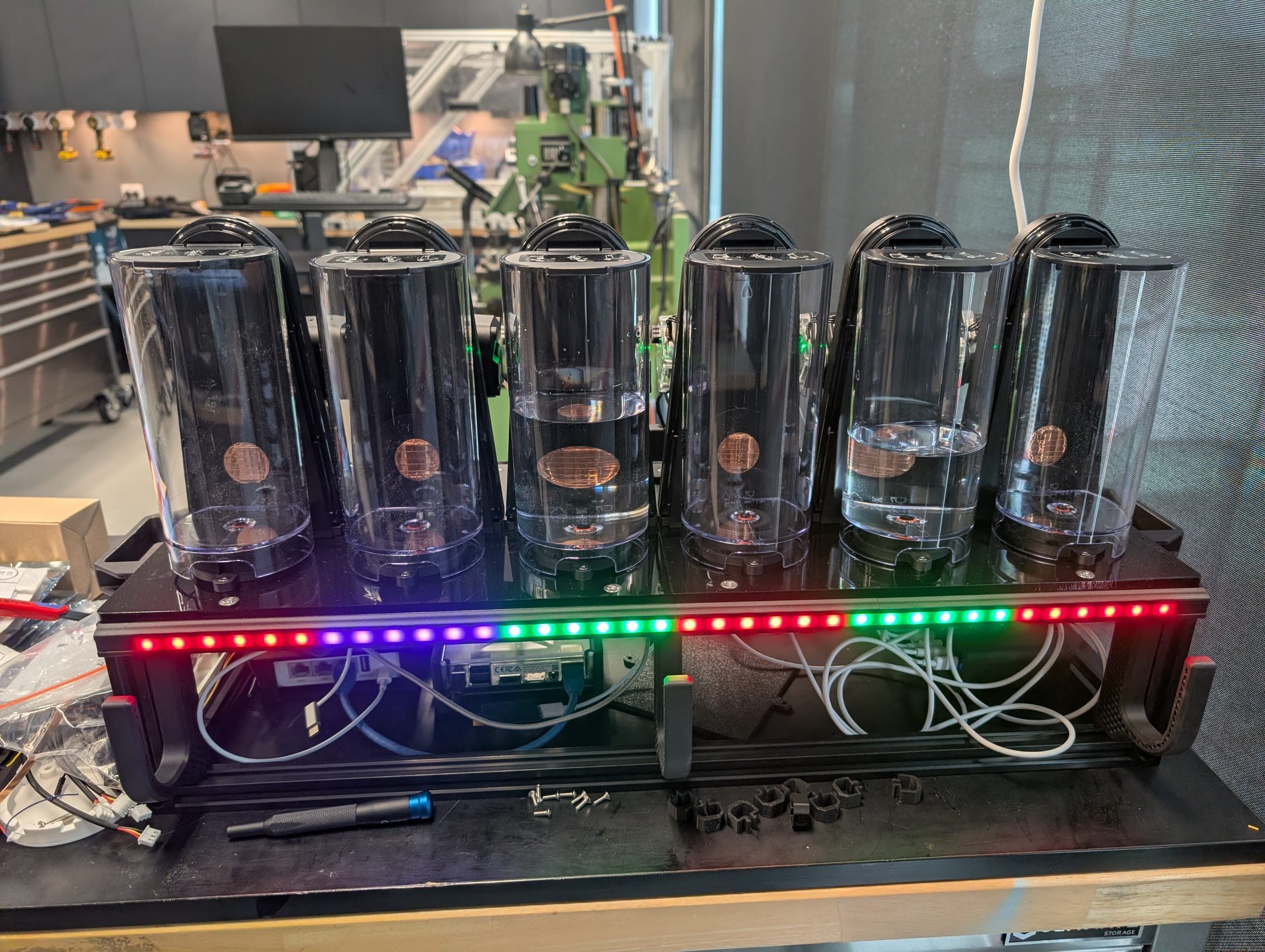
  • Front view of the updated modular reservoir array with channel status colours shown along the light bar
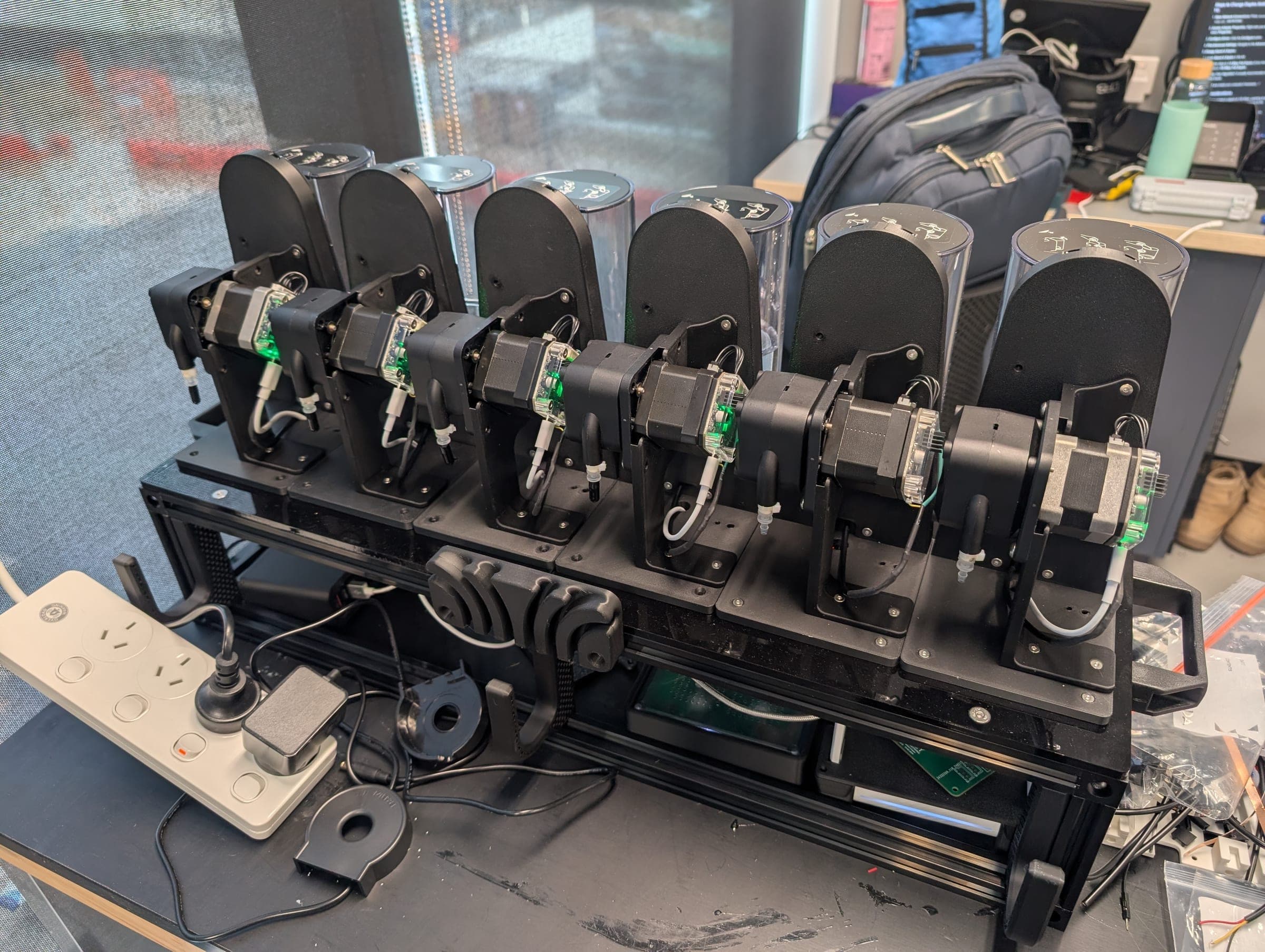
  • Rear view of the updated modular pump array showing its motors, controllers and removable modules

Media 1 of 5

Commercial gustometers deliver thin liquids at fixed volumes. The research team needed something that could handle a range of viscosities and still put the same dose on the tongue every single time — so it had to be built.

The problem

Taste research depends on stimulus consistency. If the delivered volume drifts between trials, the data is noise. Thicker fluids compound this: they lag, they cling, and they behave differently as the line warms up.

What I built

  • A pump and valve arrangement sized for the viscosity range, rather than optimised for water
  • Sensor feedback on delivery so each dose is verified rather than assumed
  • Fail-safe features that halt delivery on out-of-range conditions instead of dosing a participant incorrectly
  • A control layer that lets researchers script trial sequences without touching the hardware

Outcome

The instrument is in active use for research, producing consistent and reliable stimulus delivery across the fluid range it was specified for.
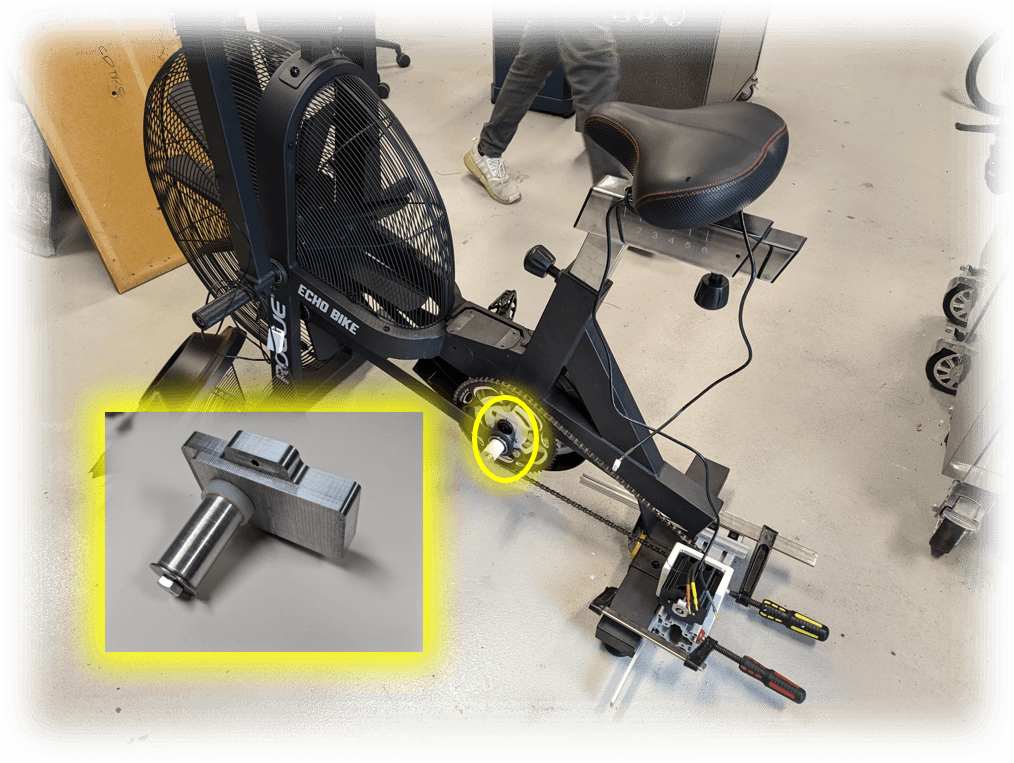
Rogue exercise bike instrumented with Odrive mounted for dyno

The University of Sydney

Exercise Equipment Data Acquisition

Mechanical and electrical systems that instrument exercise equipment for research, manufactured across wire EDM, CNC, fibre laser and 3D printing.

  • Data Acquisition
  • Mechanical Design
  • CNC
  • Wire EDM
Read more
  • Rogue exercise bike instrumented with Odrive mounted for dyno
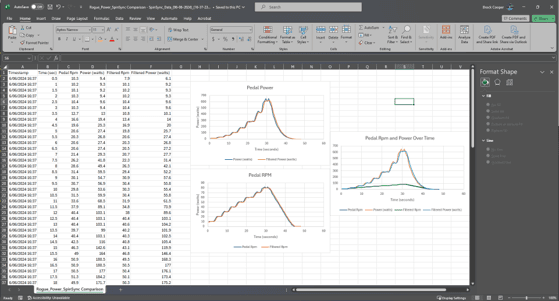
  • SpinSync recorded data output

Media 1 of 4

Researchers needed measurements off equipment that was never designed to be measured. That means retrofitting sensing into existing mechanical systems without changing how the equipment behaves under load.

Approach

Each instrument was a mechanical design problem before it was an electrical one — finding a load path to tap, mounting a sensor rigidly enough to trust it, and keeping the added hardware out of the user's way.

Manufacturing

Parts were made using whichever process fit the tolerance and material:

  • Wire EDM for precise, hard-material features
  • CNC machining for structural mounts
  • Fibre metal laser cutting for sheet components
  • 3D printing for fixtures, housings and rapid iteration

Outcome

Working data-acquisition systems feeding clean measurements to the research team, built from a mix of processes chosen per-part rather than per-project.

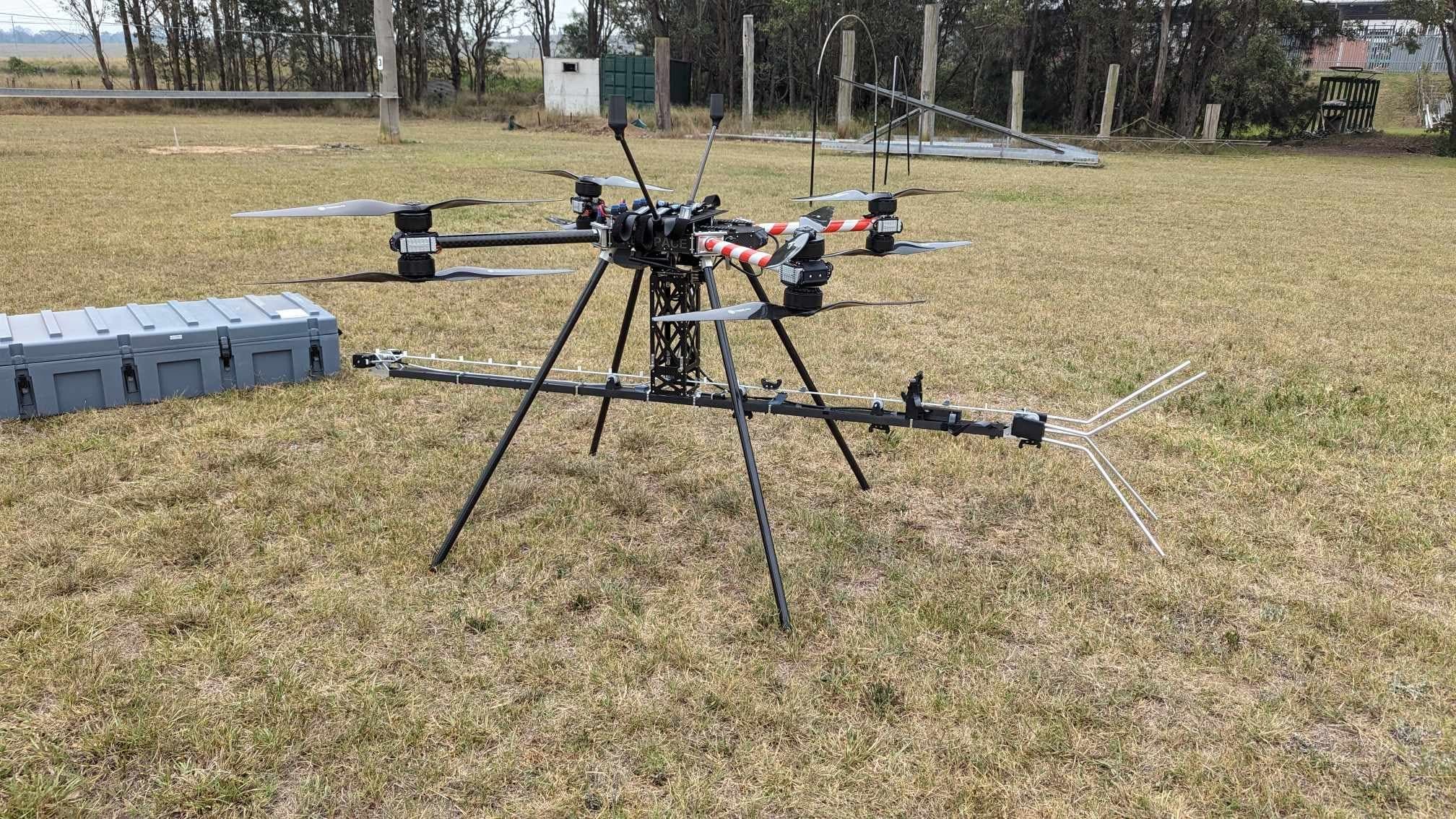
Large multirotor drone fitted with the complete Rotamarka installation payload during field testing

Fliight Technologies

Rotamarka Payload

A custom payload for the Callisto 50 heavy-lift multirotor, developed to install Rotamarka warning markers and bird diverters on overhead conductors.

  • PCB Design
  • KiCad
  • Embedded
  • UAV
  • Field Testing
Read more
  • Large multirotor drone fitted with the complete Rotamarka installation payload during field testing
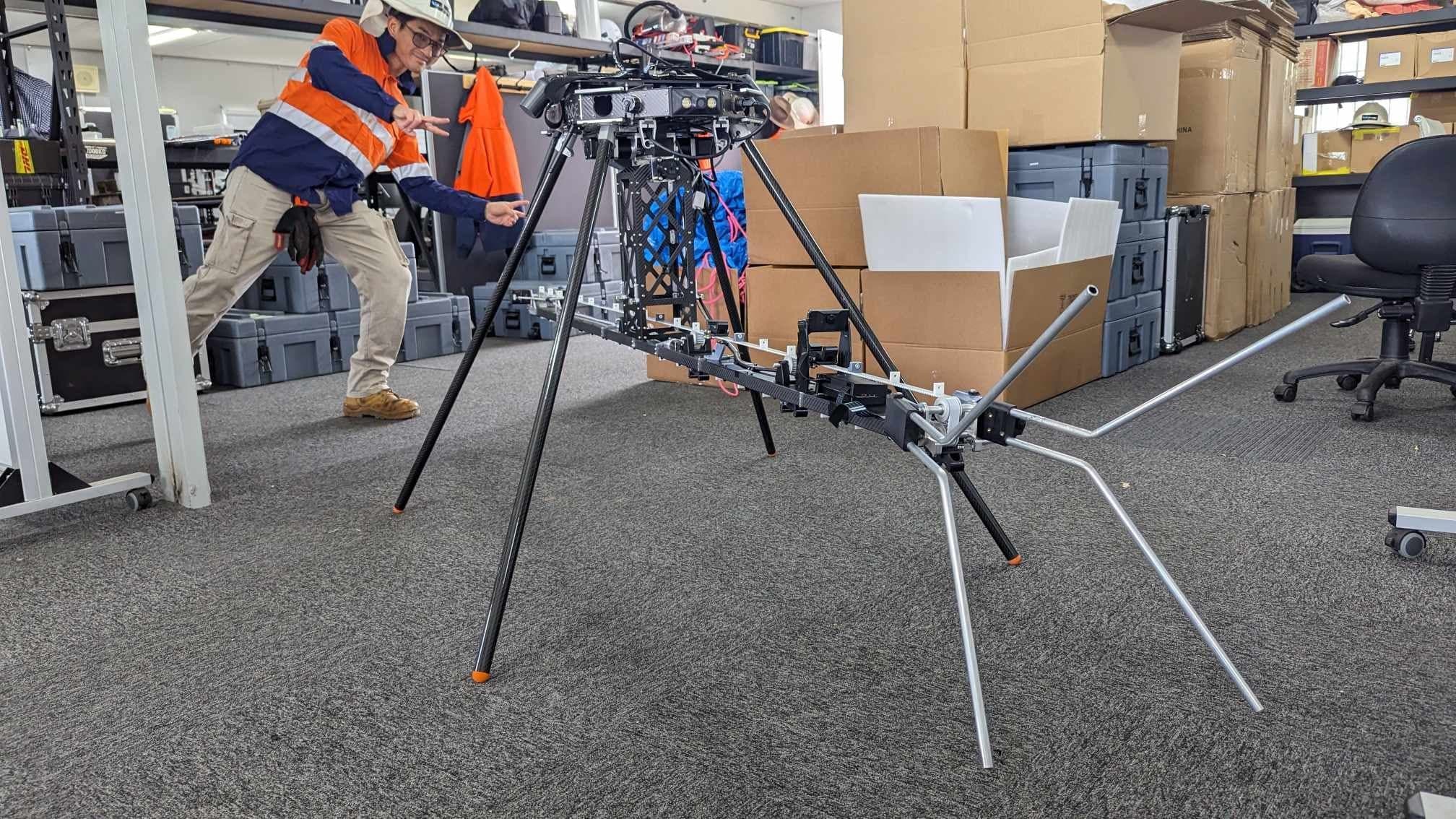
  • Rotamarka payload integrated beneath the drone during an indoor system review
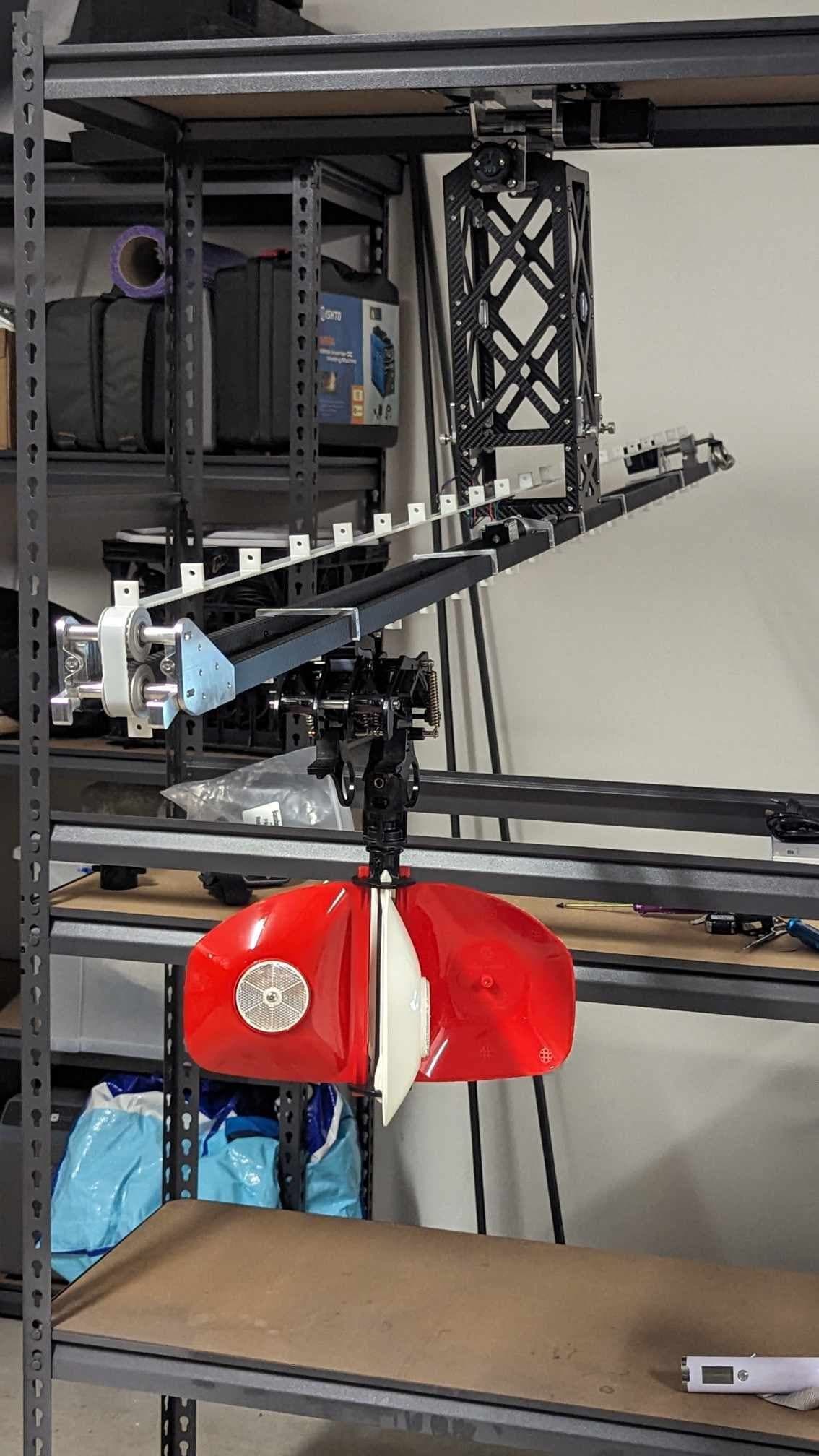
  • Payload mechanism holding a red Rotamarka warning marker during a bench installation test
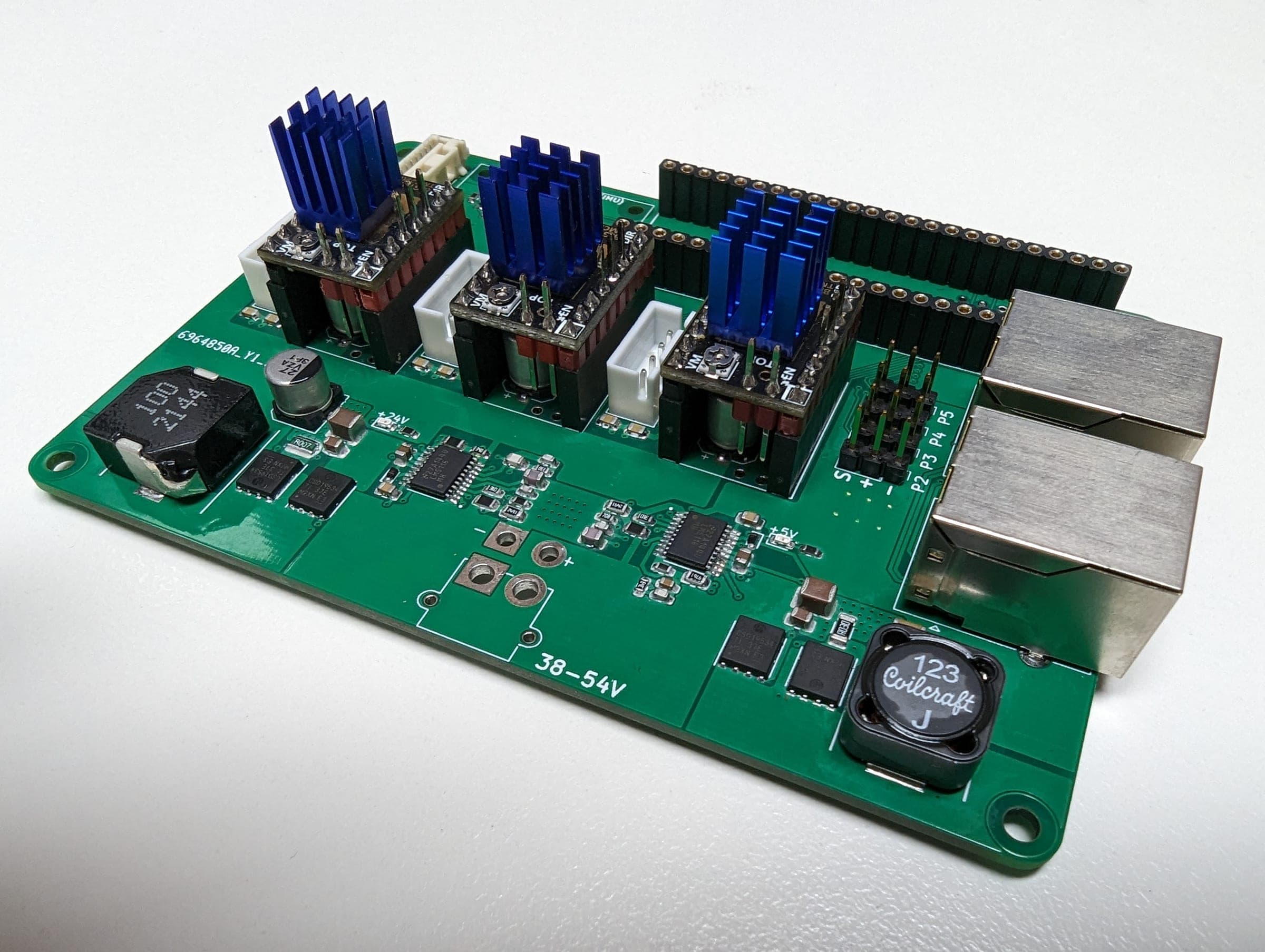
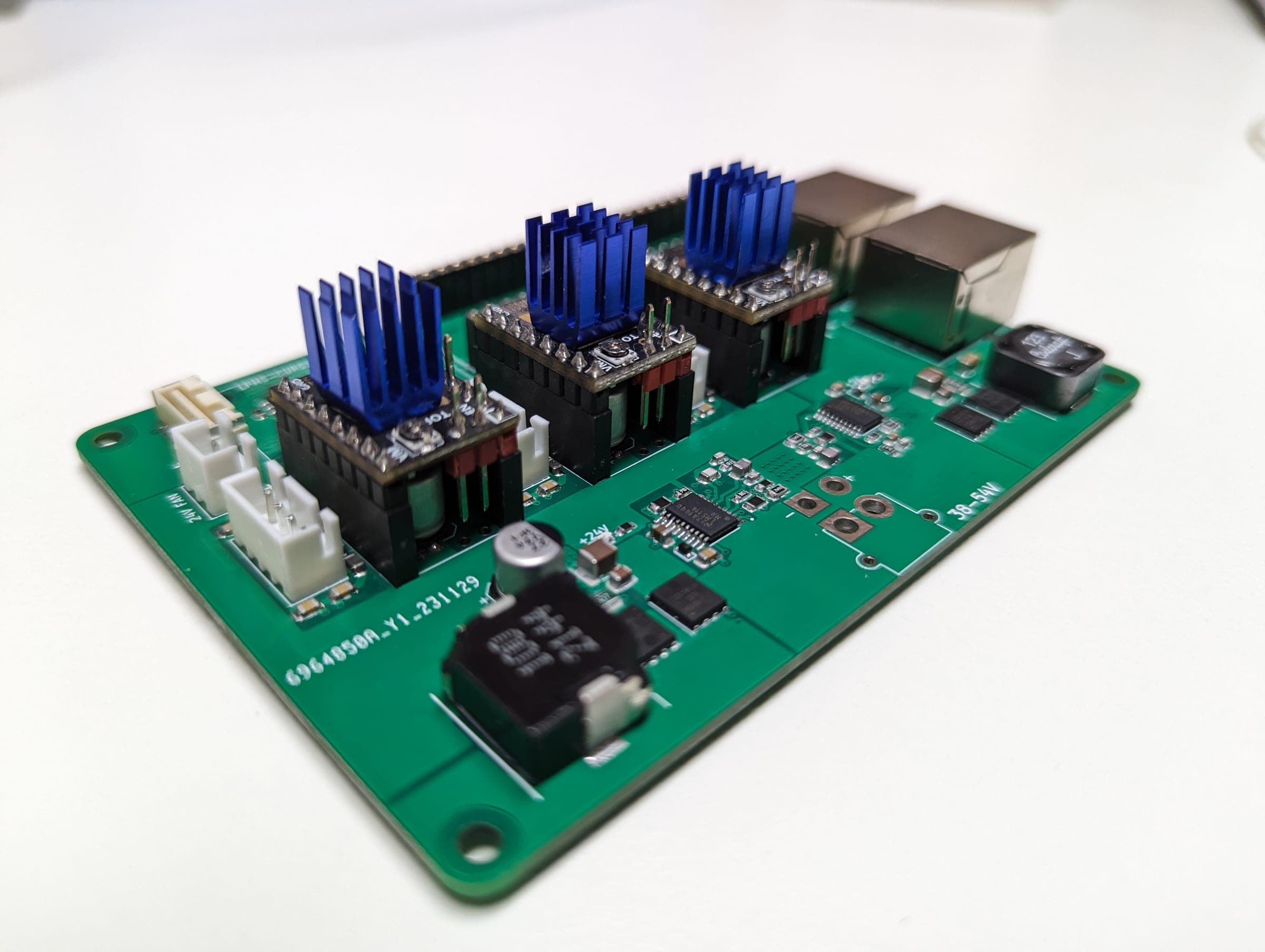
  • Populated component side of the custom Rotamarka payload carrier board
  • Low-angle detail of the carrier board power electronics and three motor-driver modules
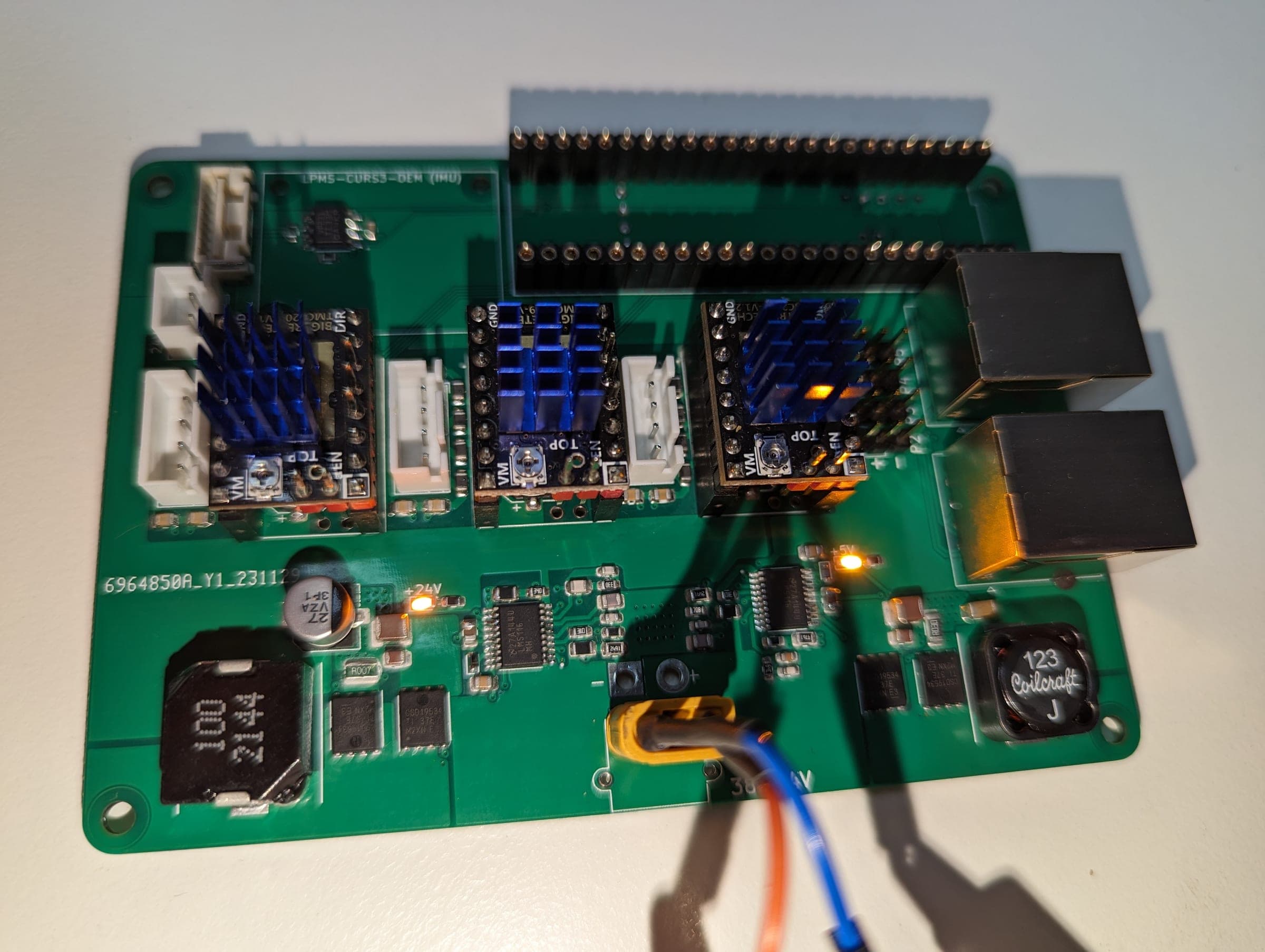
  • Powered carrier board under test with its motor drivers and regulated power rails active
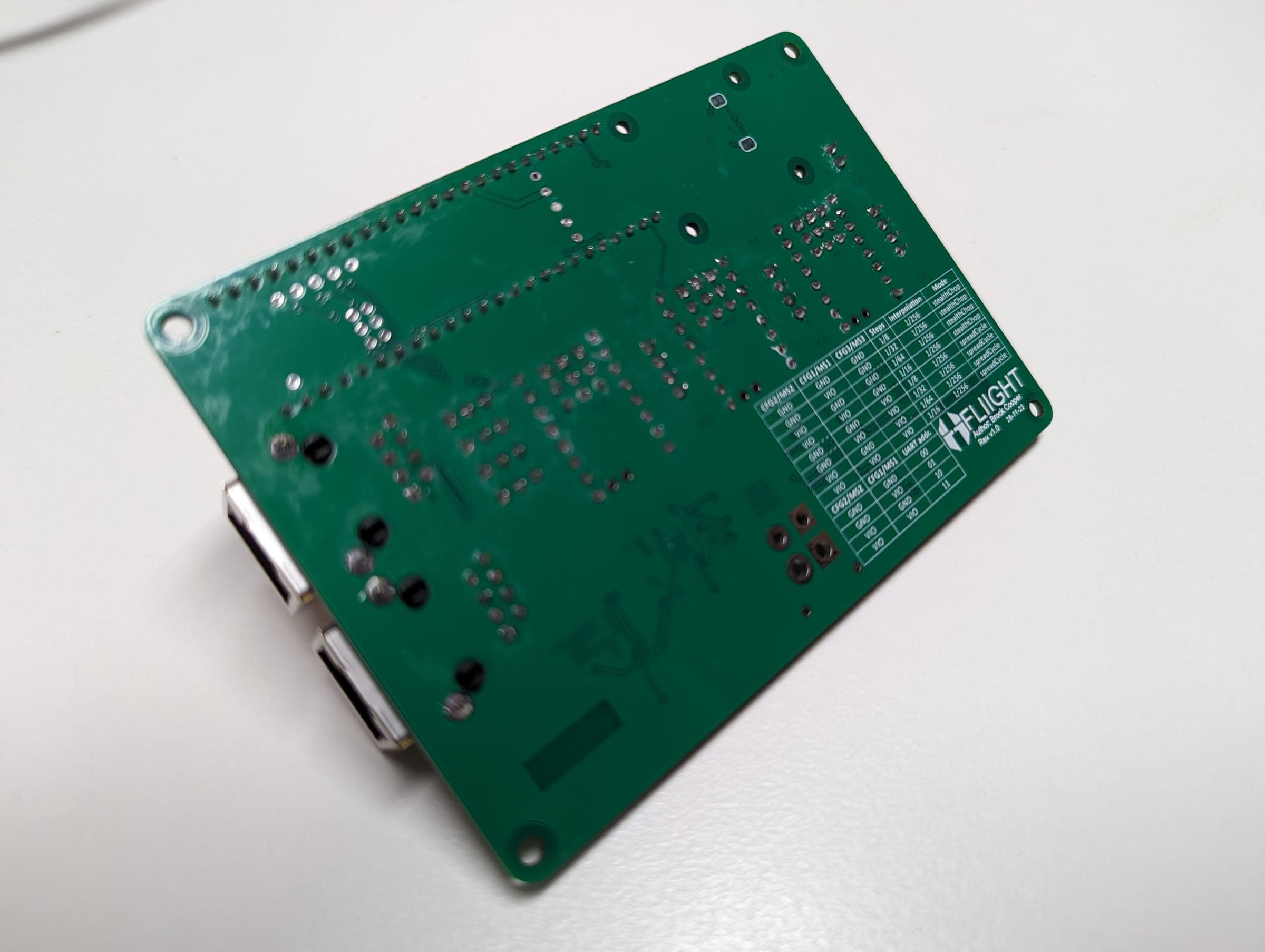
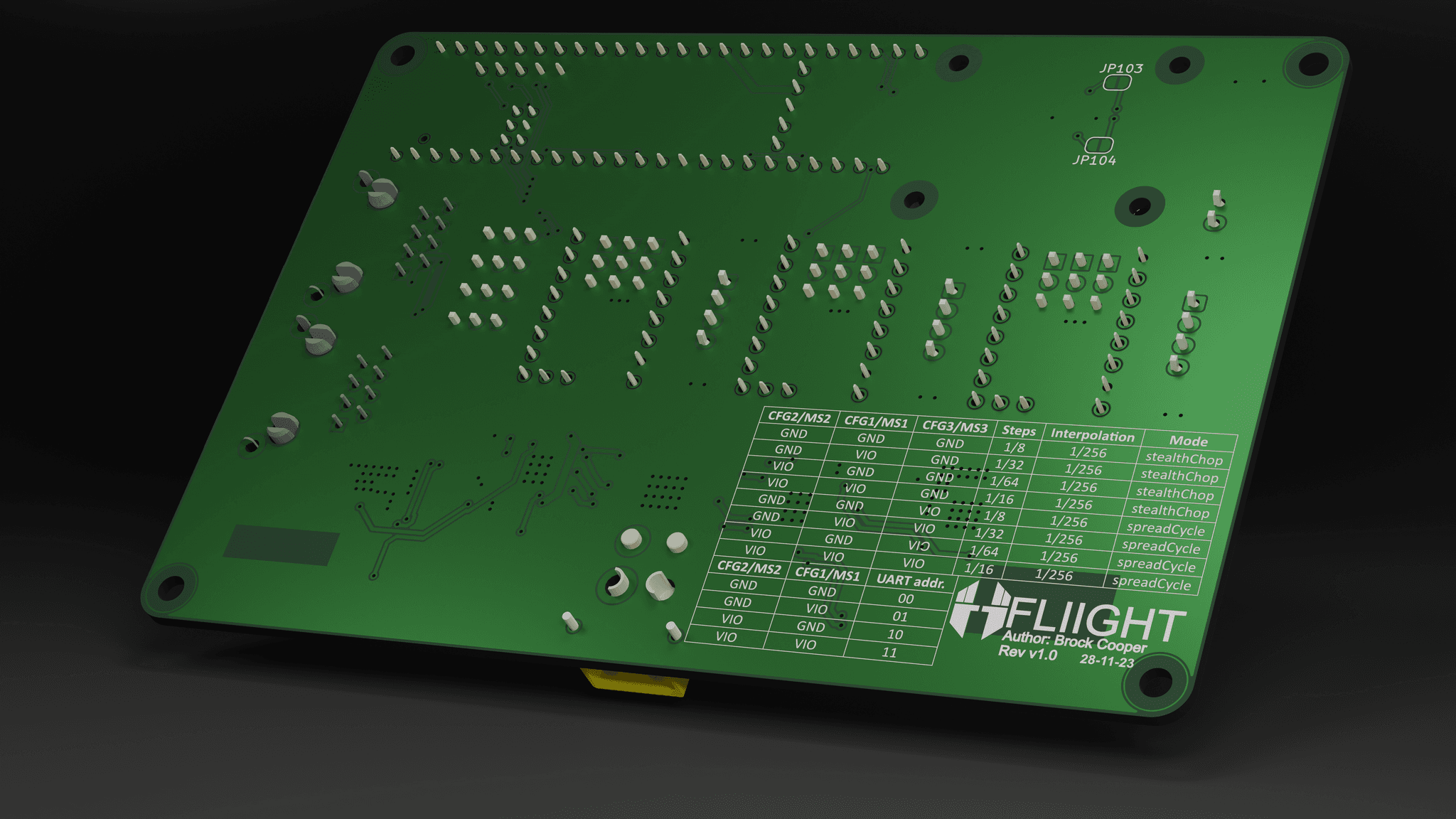
  • Solder side of the assembled payload carrier board with its configuration reference table
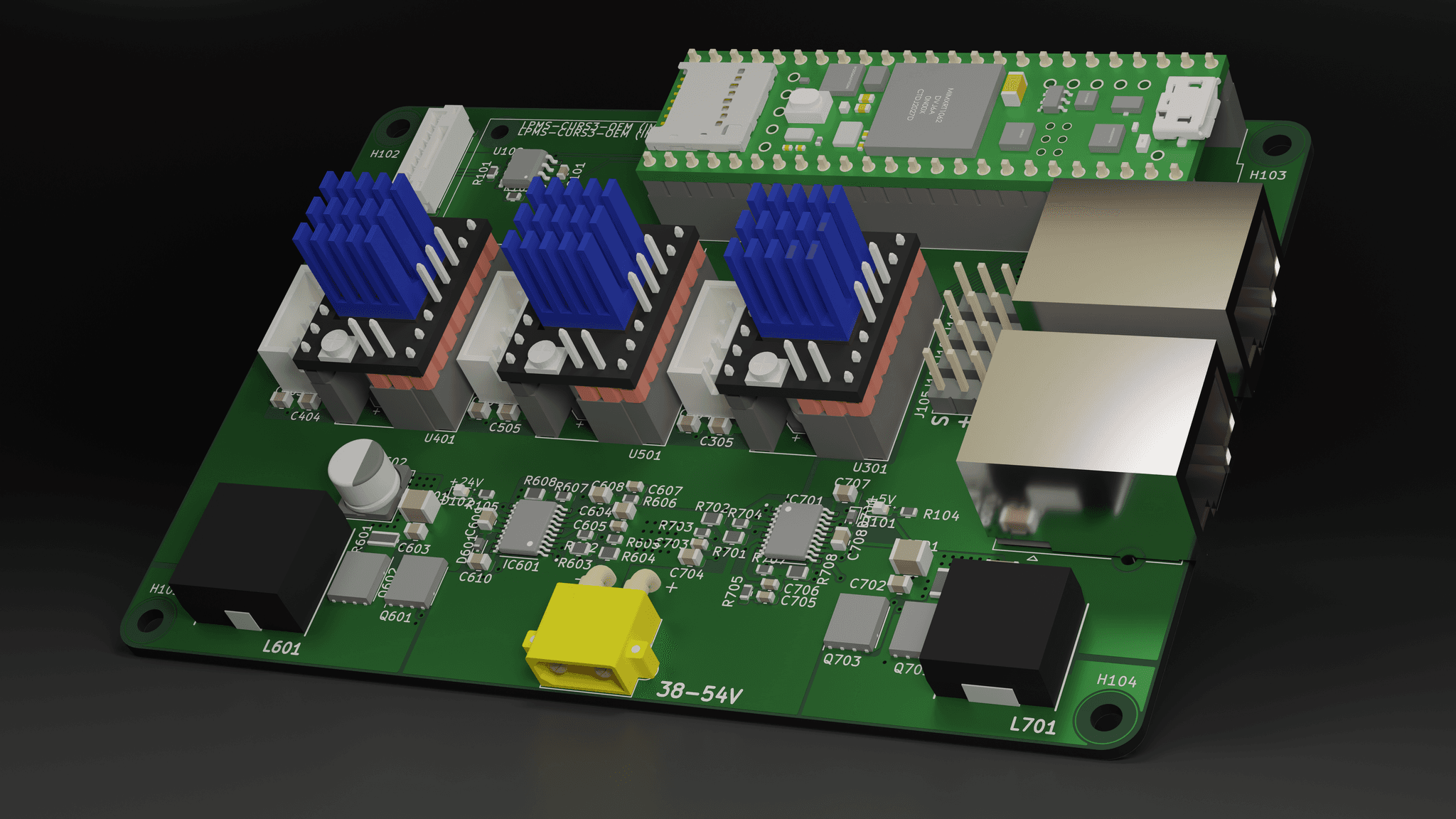
  • Three-dimensional render of the carrier board component side with its processor, drivers and power interfaces
  • Three-dimensional render of the carrier board solder side and printed configuration table
  • Microscope close-up of fine-pitch components assembled on the payload carrier board
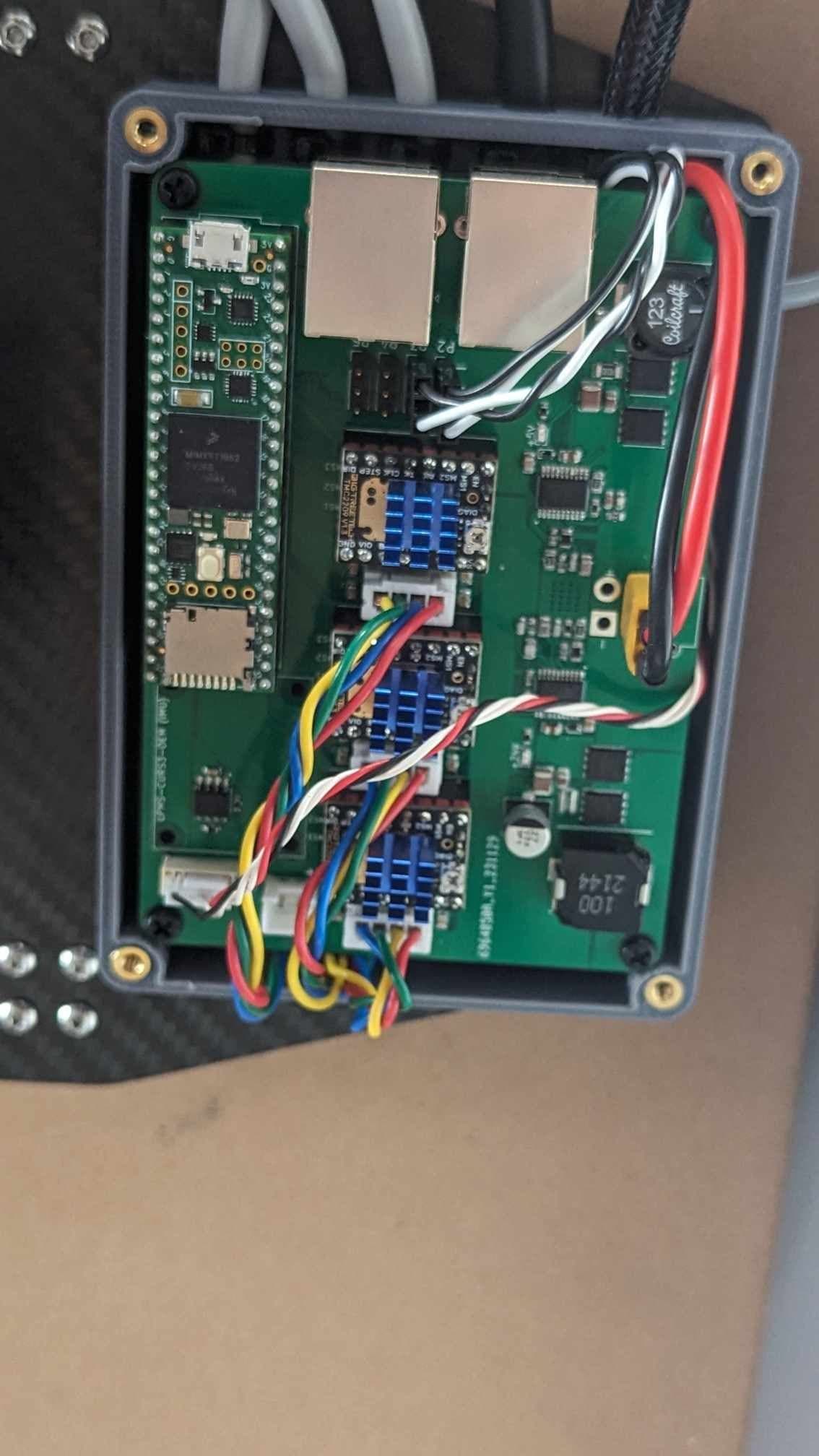
  • Custom carrier board and motor drivers wired inside the payload controller enclosure

Media 1 of 13

Rotamarka is a three-dimensional rotating powerline warning marker and bird diverter designed to make overhead wires, cables and conductors highly visible from every viewing angle. The custom drone payload carried and installed the marker without requiring a conventional crew to work directly at line height.

The payload was designed specifically to mount on Freespace Operations' Callisto 50 Multirotor. This heavy-lift octocopter is rated to carry an effective payload of up to 25 kg, making it a suitable platform for the installation mechanism, its control electronics and the Rotamarka being deployed.
My contribution

I designed the custom payload carrier board and contributed to the mechanical design of the deployment system as part of the wider engineering team. The electronics integrated the payload's power, signal and control requirements into hardware suitable for the weight and packaging constraints of the UAV.

Mechanical integration

The mechanical work focused on integrating the system beneath the Callisto 50, carrying the Rotamarka securely, positioning it against the target conductor and completing the installation while keeping the aircraft and payload stable. The payload had to remain light enough for practical flight while being rigid and repeatable during deployment.

Validation

The complete system progressed through integration and field testing on the drone platform, validating the carrier electronics and mechanical deployment approach under realistic operating conditions.

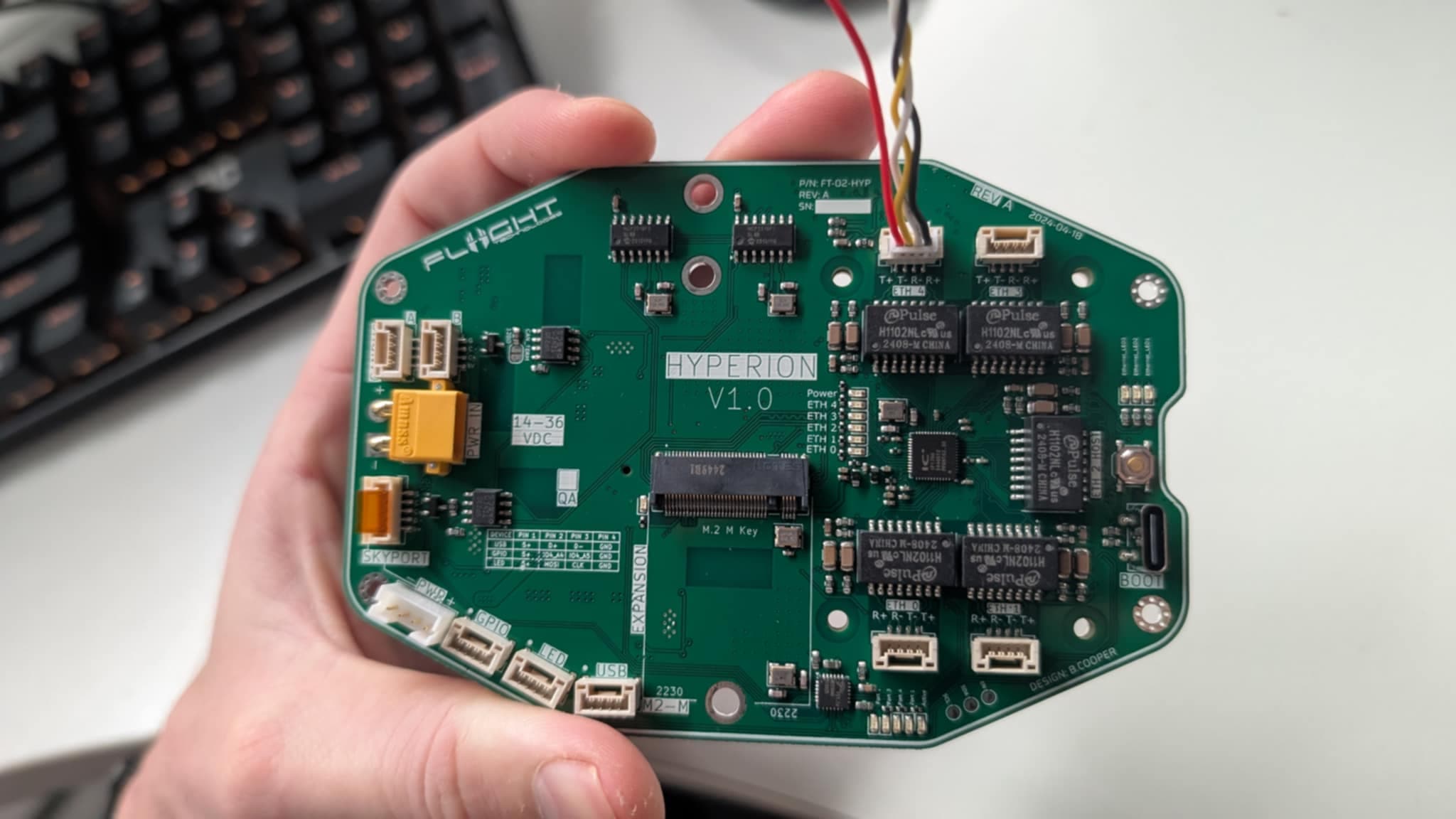
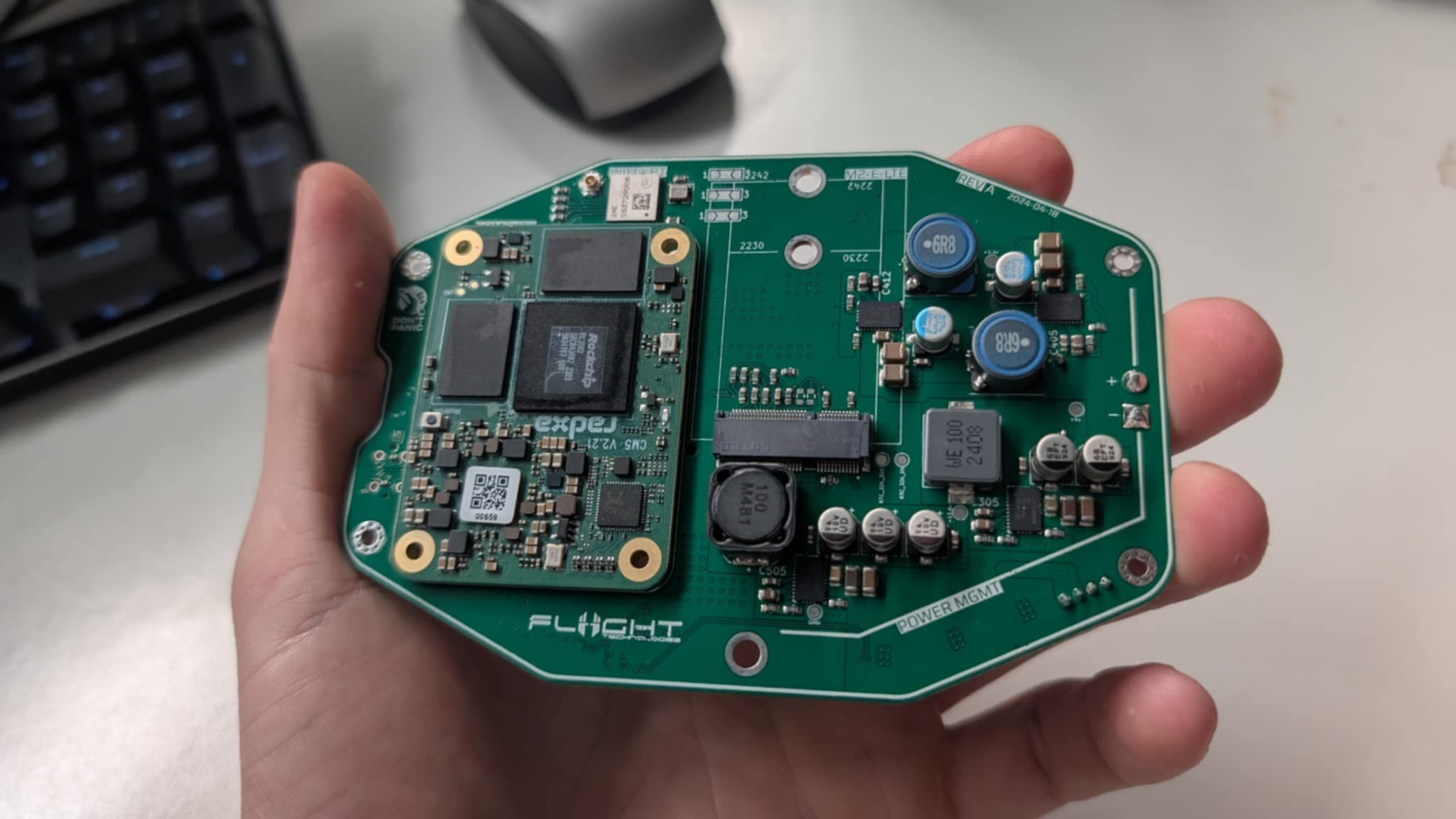
Compact Hyperion carrier board held in one hand, showing its ethernet, USB, power and communications connectors

Fliight Technologies

Hyperion CM5 Carrier Board

A compact carrier board that turns the Radxa CM5 into a field-ready embedded platform for drone image processing and multi-camera video systems.

  • PCB Design
  • Embedded Linux
  • Networking
  • Power Electronics
  • CANBUS
Read more
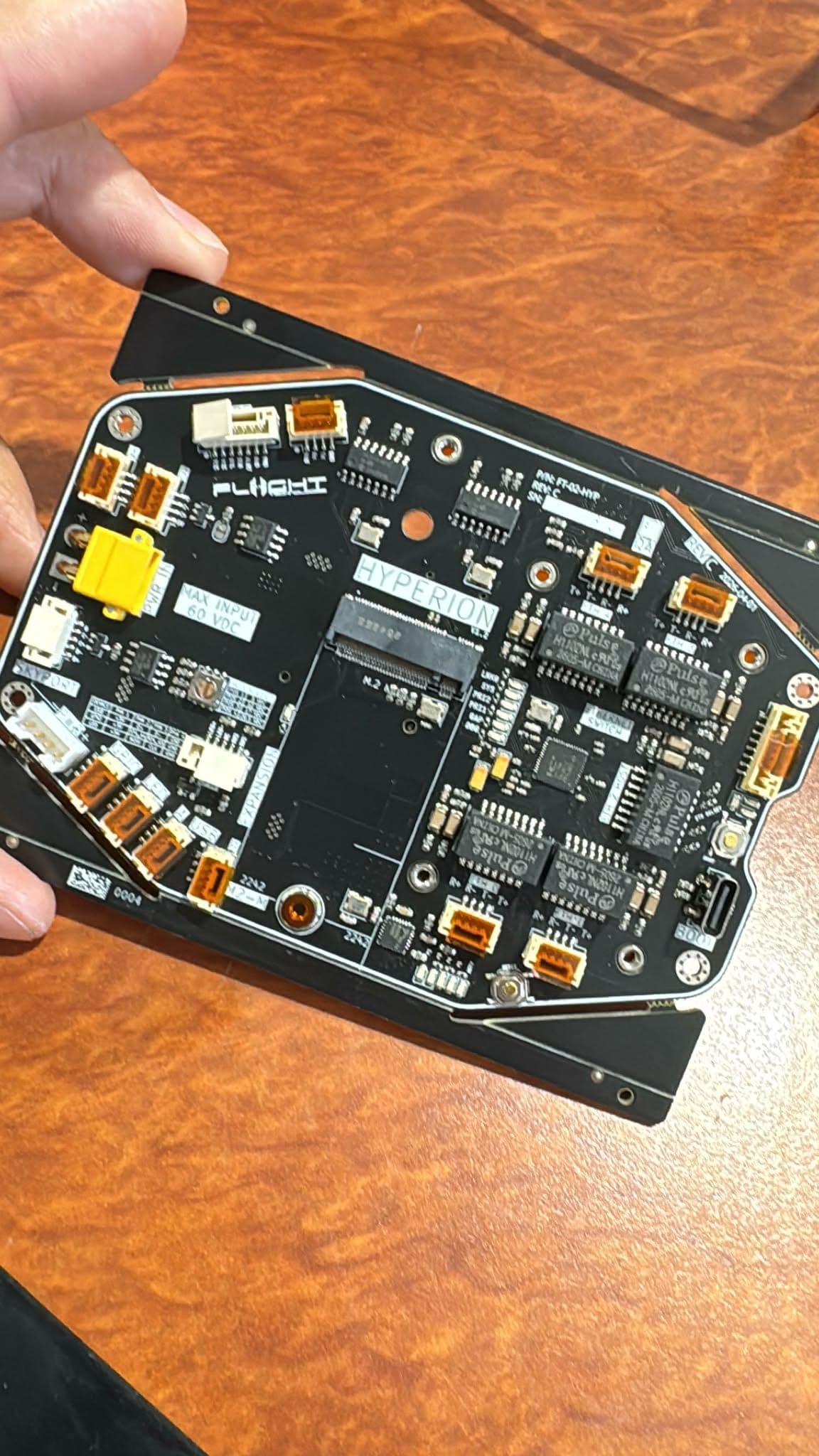
  • Compact Hyperion carrier board held in one hand, showing its ethernet, USB, power and communications connectors
  • Populated Hyperion board from the compute and power side with the Radxa CM5 installed
  • Populated Hyperion board from the networking side with five ethernet ports and its external connectors
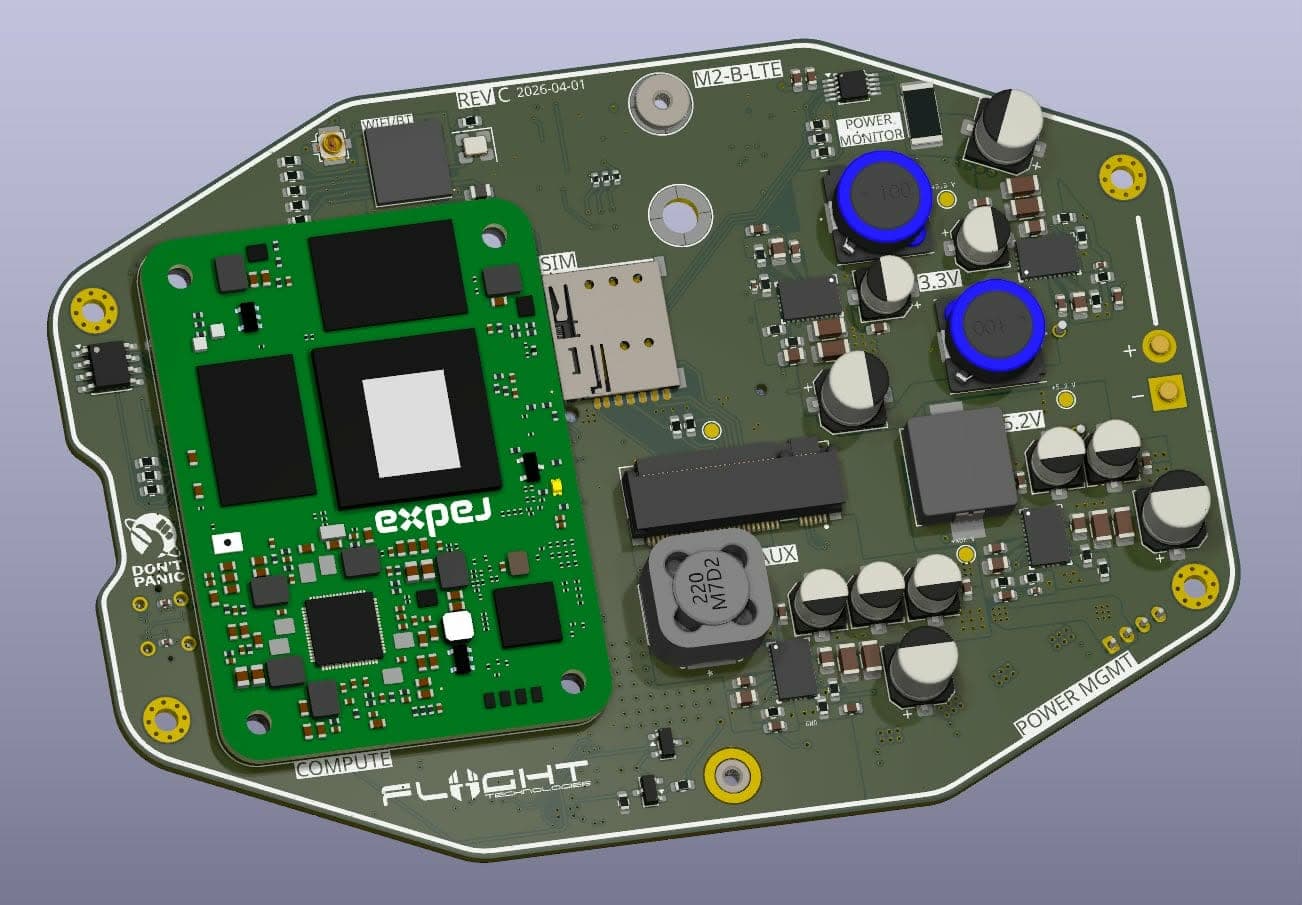
  • Three-dimensional PCB render of the Hyperion compute module and power-regulation side
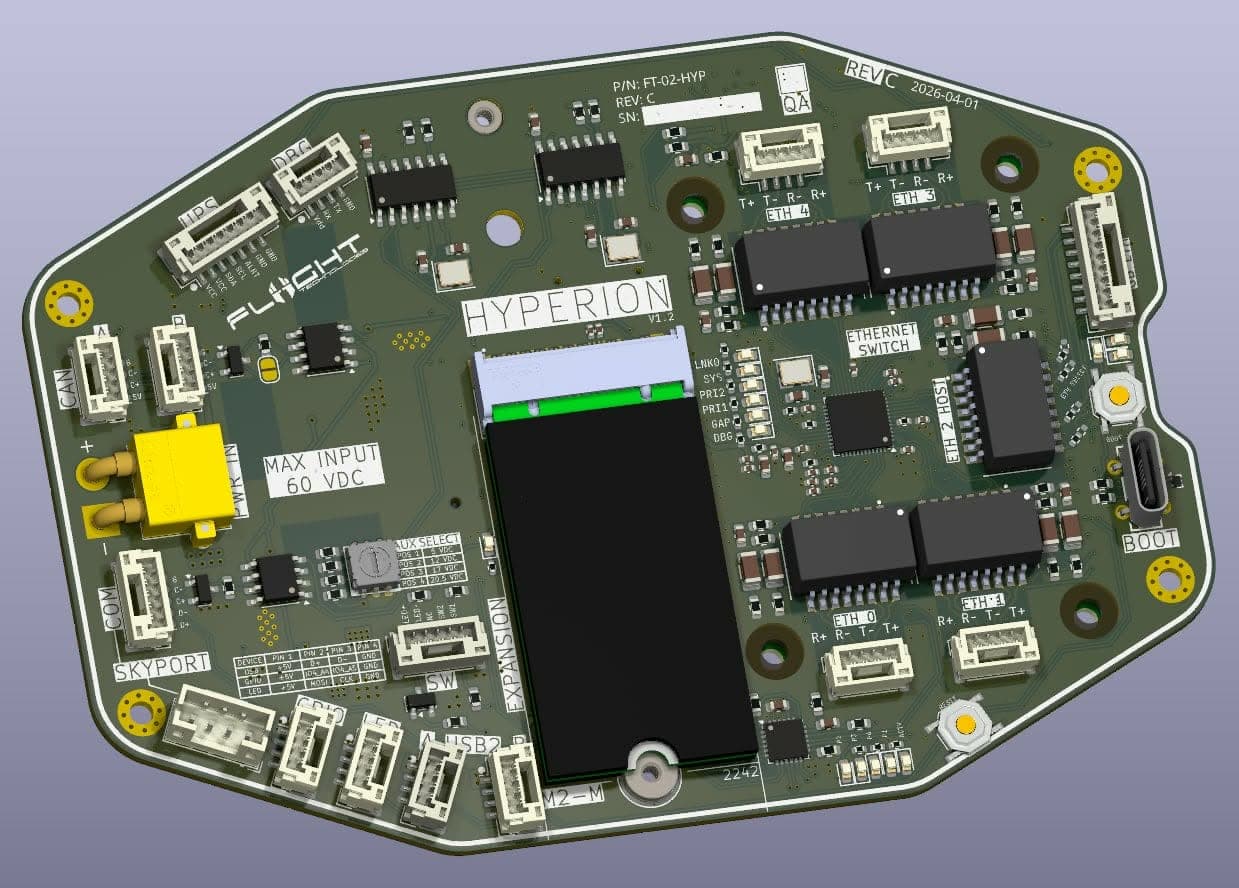
  • Three-dimensional PCB render of the Hyperion ethernet, USB and communications interfaces
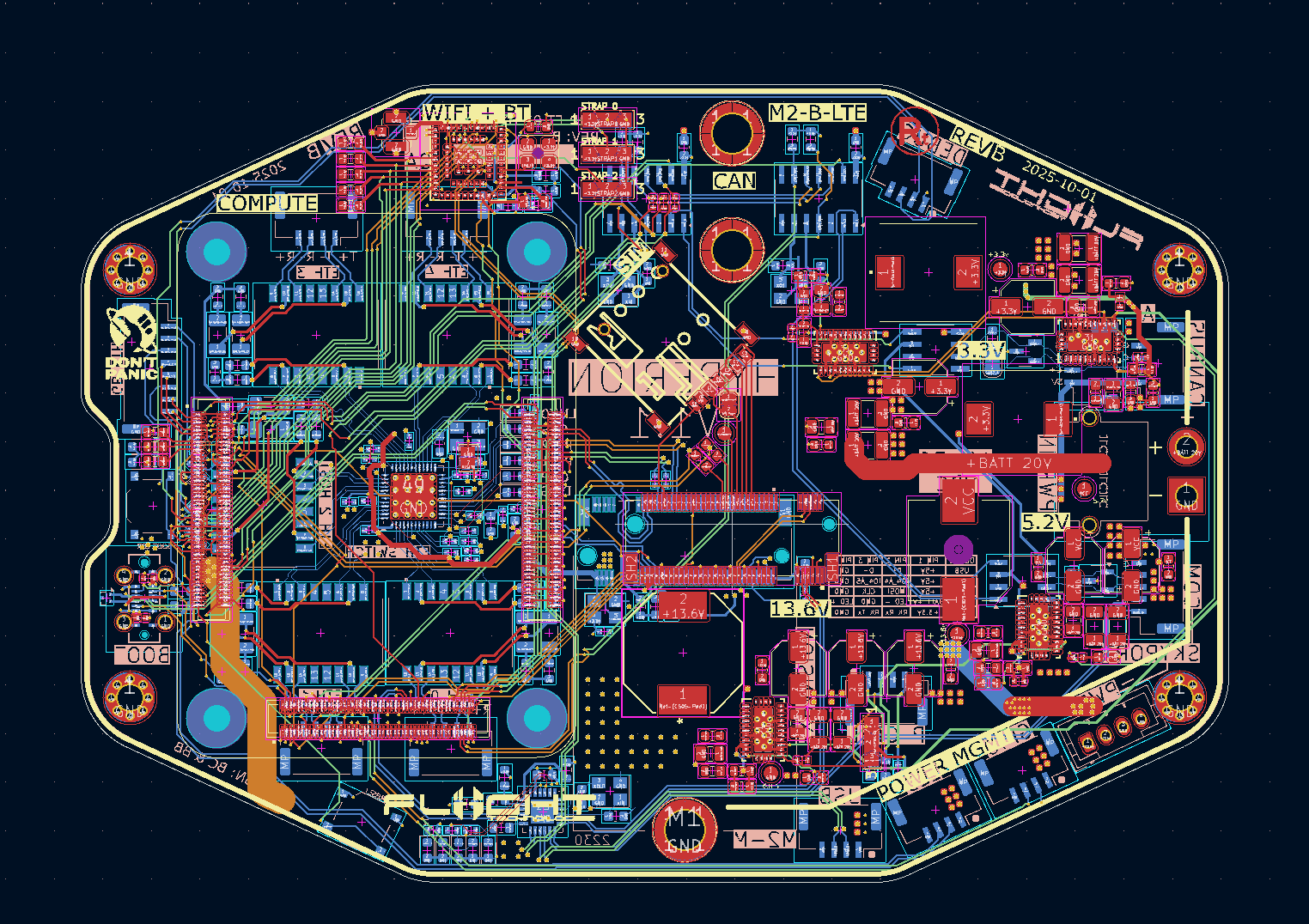
  • Hyperion PCB layout showing the routed signal and power traces across the board
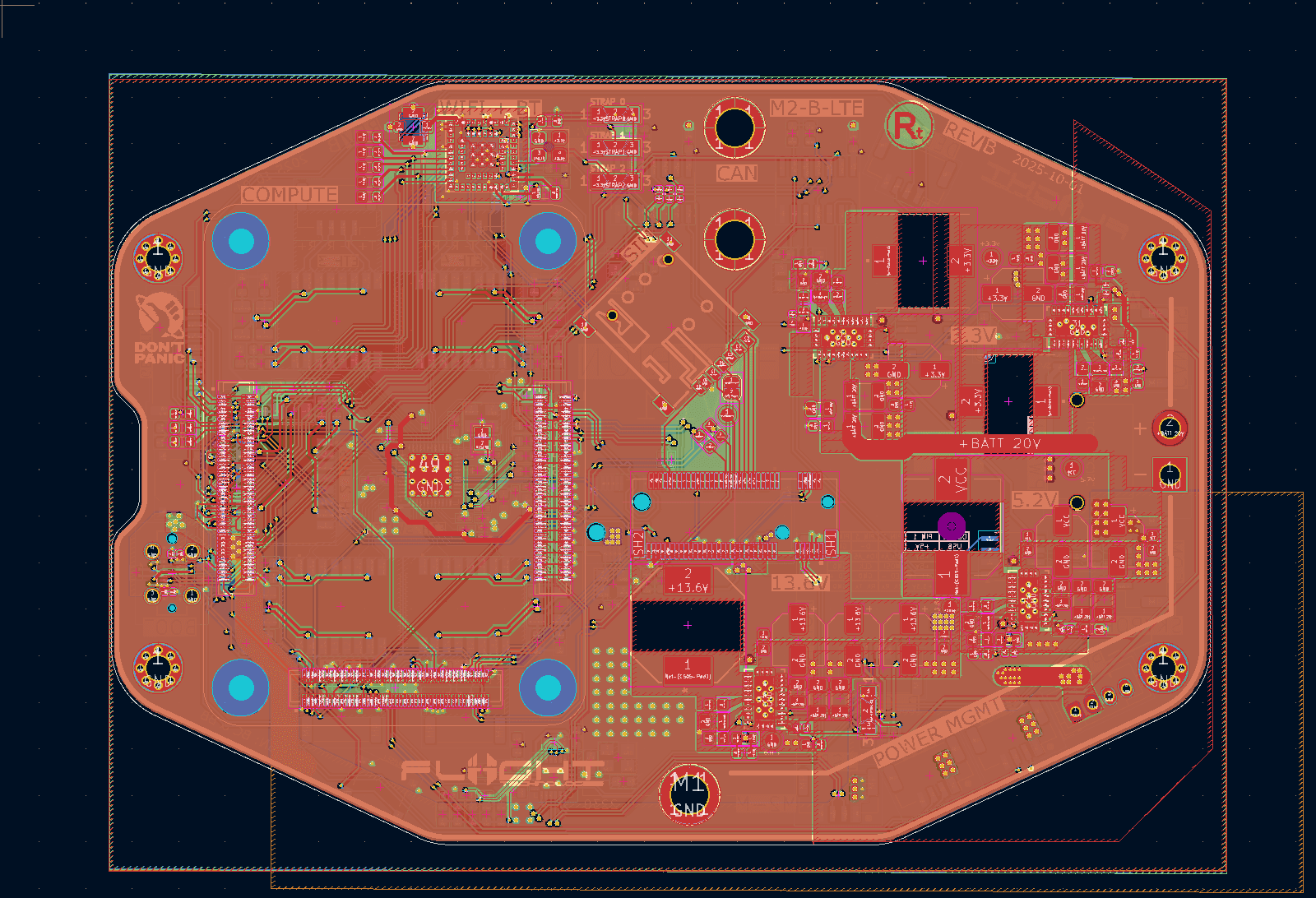
  • Hyperion PCB layout with its filled copper zones and component placement visible

Media 1 of 7

Hyperion is a custom carrier board built around the Radxa CM5 compute module. It consolidates the interfaces needed by Fliight Technologies' field-deployed systems into one palm-sized embedded platform, including compute nodes that offload intensive drone image processing and video-processing nodes for multi-camera environments.

Off-the-shelf carrier boards required external switches, regulators, adapters and breakout boards to provide the same capability. Combining those functions on one board reduced the system footprint, cabling and number of potential field failure points.

Integrated interfaces

  • Networking: a five-port 100BASE unmanaged ethernet switch with Pulse magnetics isolation on every port
  • Power: 14–36 V DC input through an XT60 connector, with regulated 13.6 V, 5.2 V and 3.3 V rails
  • Communications: CANBUS transceivers for integration with motor controllers, sensors and industrial or automotive peripherals
  • Remote connectivity: an M.2 slot for a replaceable 4G LTE modem
  • Expansion: M.2 M-key PCIe, a four-port USB 2.0 hub, CM5 Wi-Fi and Bluetooth, GPIO breakout and a dedicated future-expansion header

Design decisions

The wide input range lets Hyperion run directly from different battery packs or vehicle power rails. Integrating the ethernet switch removes a separate enclosure and its cabling, while CANBUS provides a shared real-time communications link to the rest of a deployed system. The modular LTE slot keeps cellular hardware replaceable without forcing a carrier-board redesign.

Result

A dense, field-ready carrier board that turns the Radxa CM5 into a complete embedded platform. One board provides the networking, power, communications and expansion that would otherwise require a stack of separate modules.

Converted autonomous lawn mower with independent wheel drives, LiDAR, GNSS mast and onboard control hardware

Personal Project

Autonomous Mower

A converted lawn mower capable of SLAM mapping and autonomous navigation using LiDAR, RTK positioning and a Pixhawk flight controller.
  • Autonomous Systems
  • SLAM
  • LiDAR
  • RTK GNSS
  • Pixhawk
Read more
  • Converted autonomous lawn mower with independent wheel drives, LiDAR, GNSS mast and onboard control hardware
  • Autonomous mower prototype with its warning beacon illuminated during system operation

Media 1 of 3

The aim was full autonomous operation rather than a remote-controlled mower: build a map of the operating area, localise within it, plan a route and navigate that route accurately enough to mow repeatably.

Navigation hardware

  • LiDAR for SLAM mapping, obstacle perception and local navigation
  • Holybro Pixhawk 6X for vehicle control and integration
  • Holybro H-RTK ZED-F9P rover with an IP66 enclosure and RM3100 compass
  • A dedicated RTK base station for centimetre-level positioning corrections

Combining local LiDAR perception with absolute RTK positioning gave the mower both the environmental awareness needed to navigate obstacles and a stable global position for repeatable coverage.

Result

The converted platform mapped and navigated autonomously, with the combined SLAM and centimetre-level RTK system operating effectively during testing.

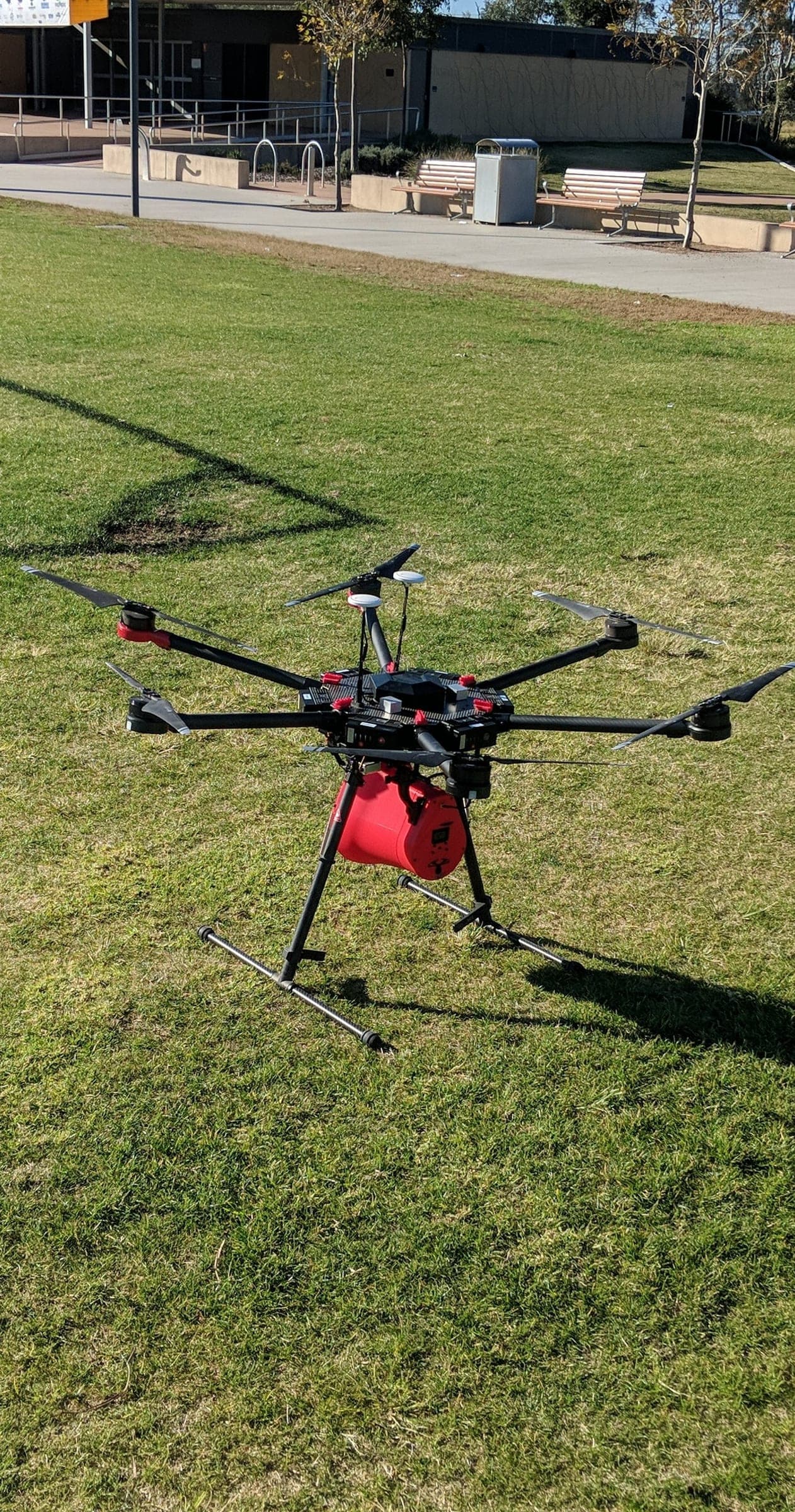
Large multirotor drone carrying a red megaphone payload during an outdoor field test

Rise Above

UAV Megaphone Payload

A custom drone-mounted megaphone payload designed for communicating with crowds at populated outdoor locations such as beaches and festivals.

  • UAV
  • Payload Design
  • Mechanical Design
  • Prototyping
  • Field Testing
Read more
  • Large multirotor drone carrying a red megaphone payload during an outdoor field test
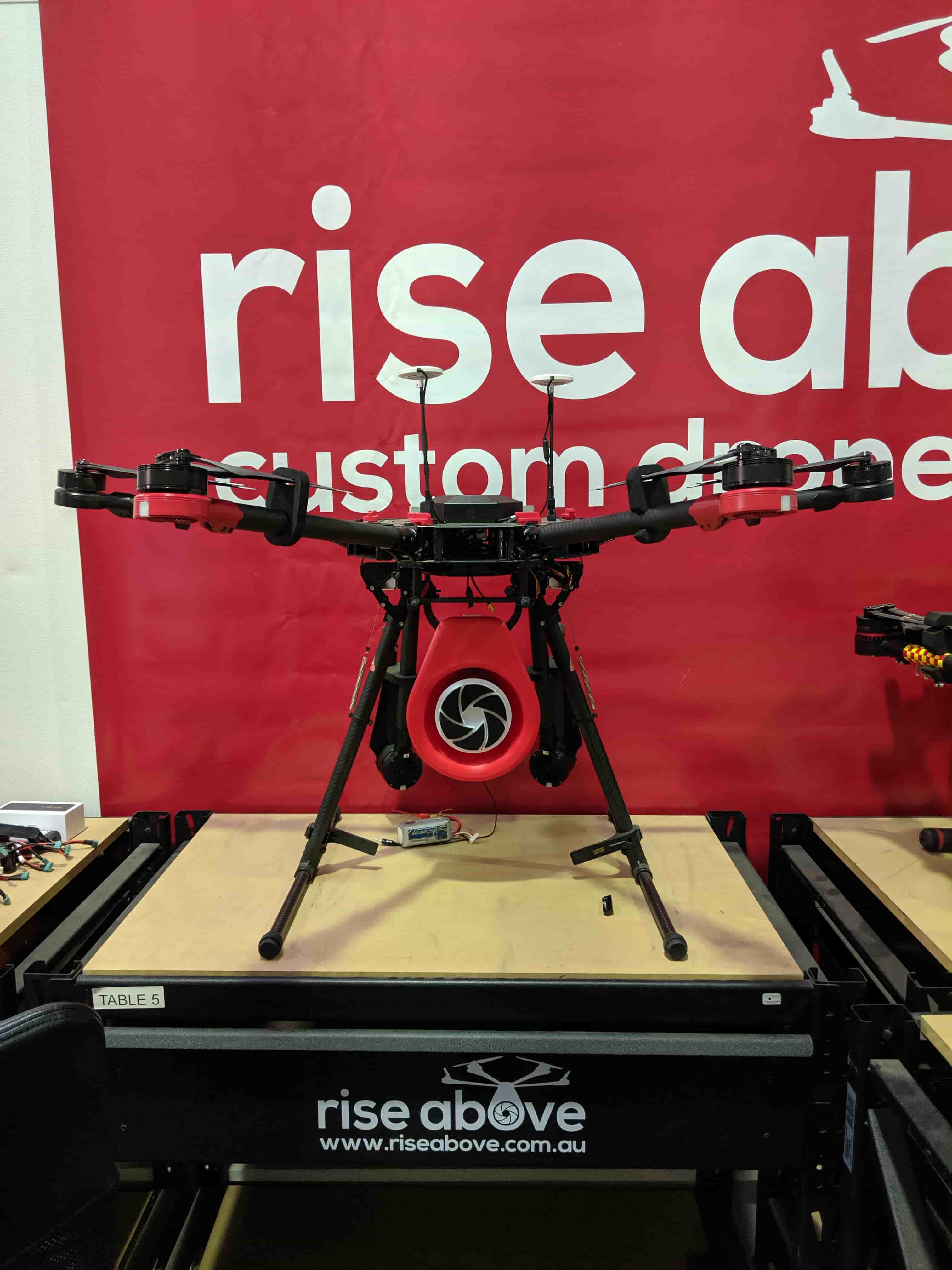
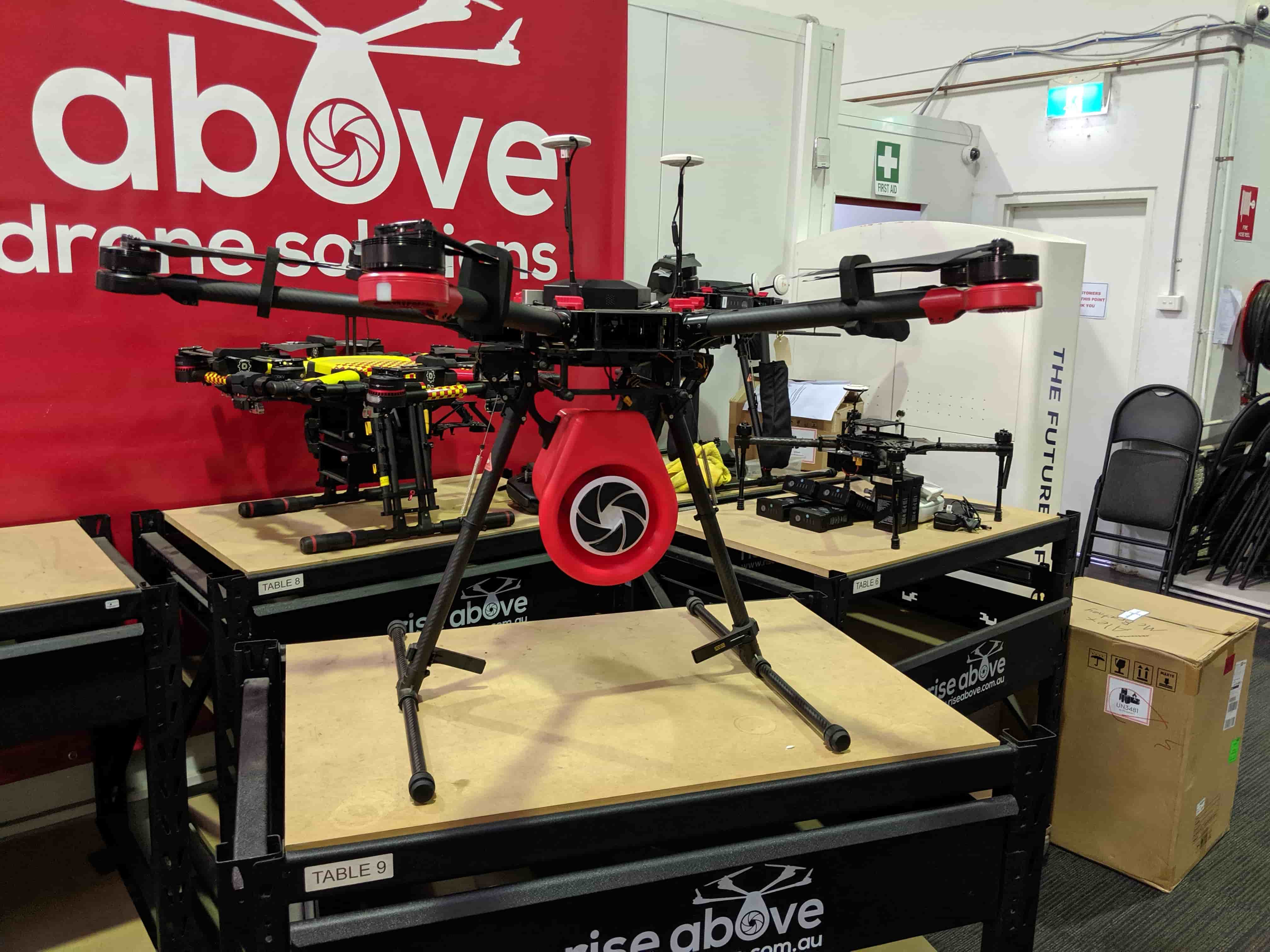
  • Front view of the integrated drone and megaphone payload against a Rise Above display wall
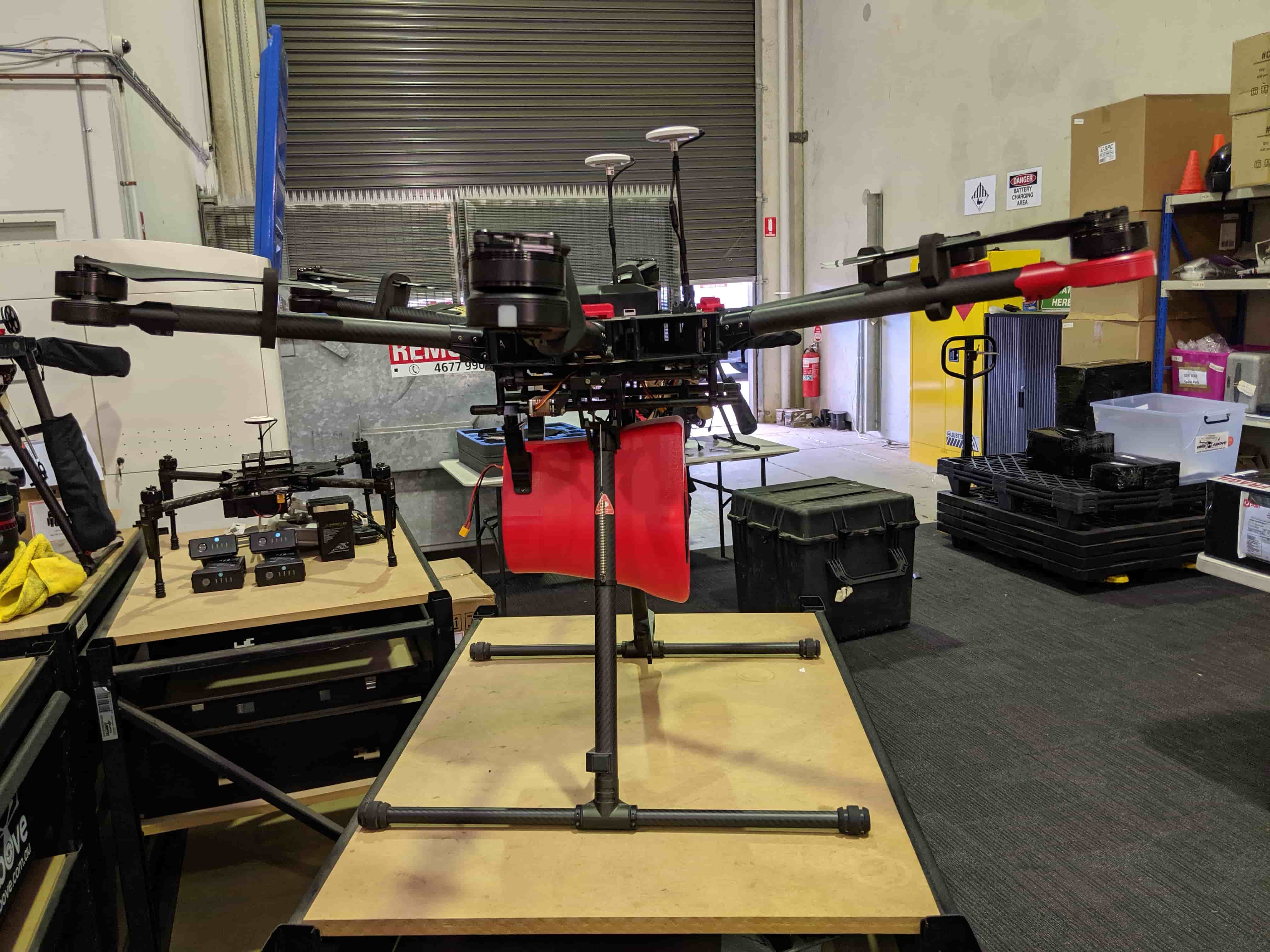
  • Rear workshop view of the megaphone payload mounted beneath the multirotor aircraft
  • Complete megaphone-equipped drone in the workshop alongside other UAV platforms
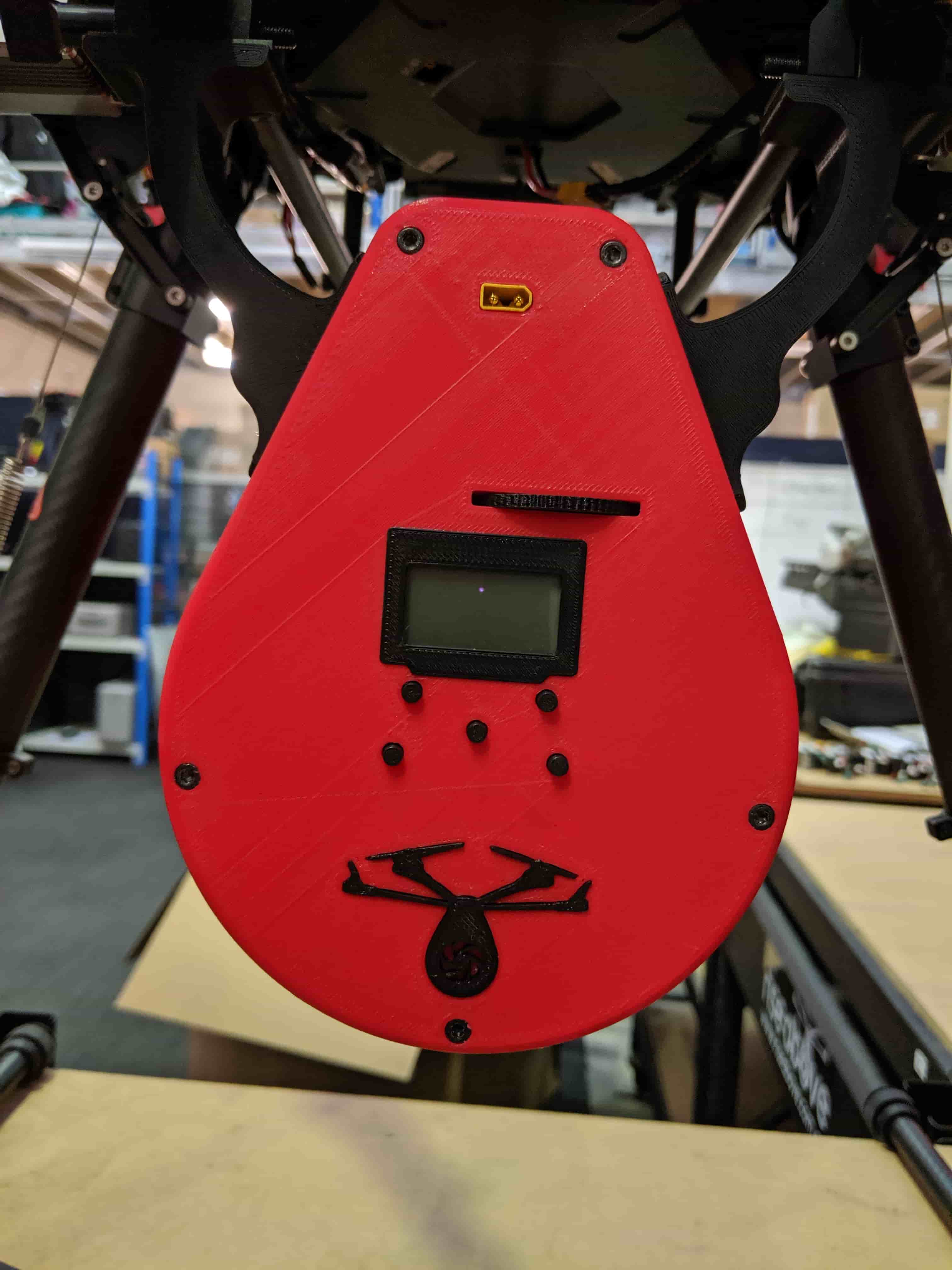
  • Close-up of the payload controller and status panel installed beneath the aircraft
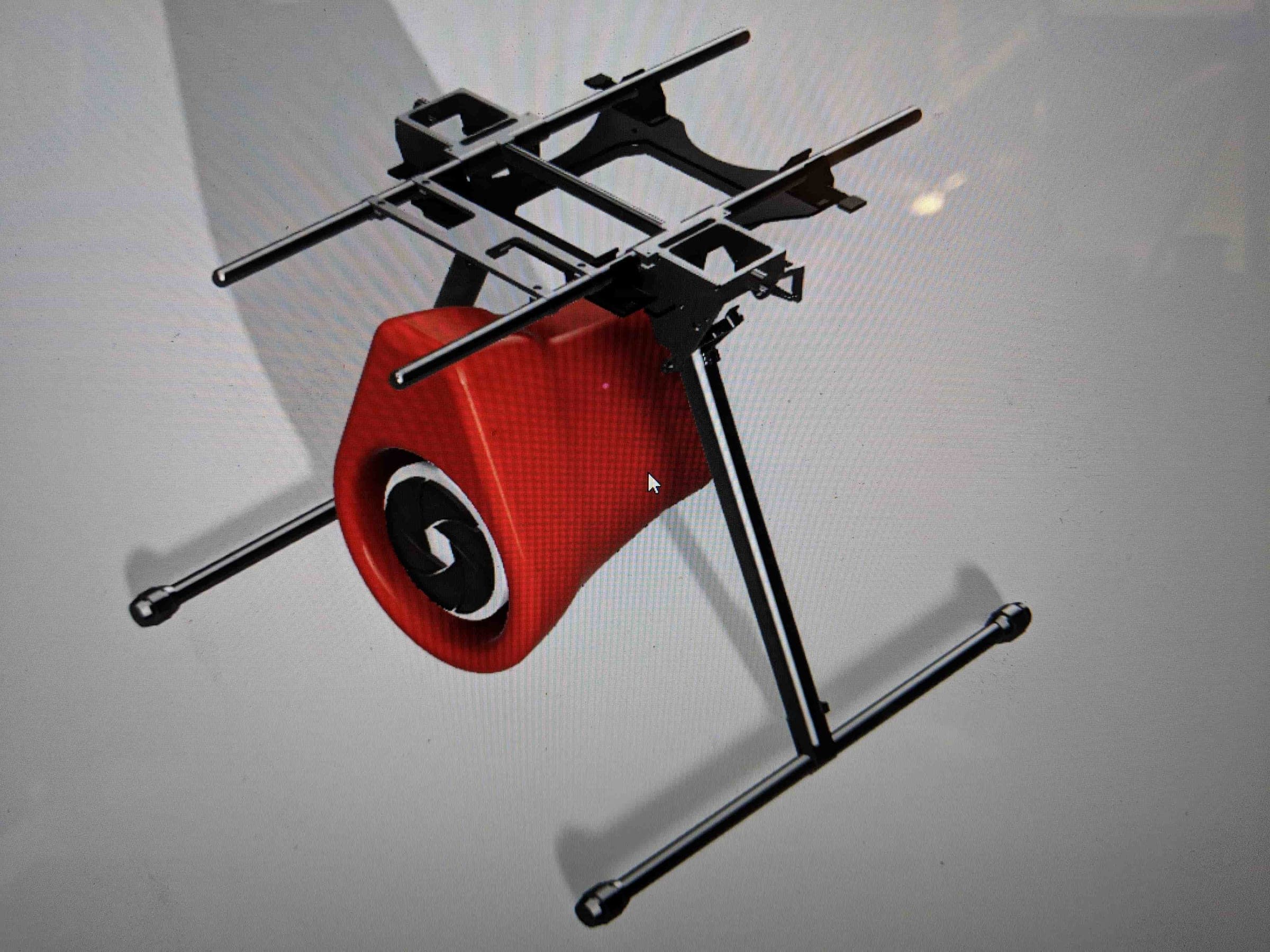
  • CAD render of the landing structure and custom mounting frame for the megaphone payload
  • Rise Above promotional banner presenting the custom UAV megaphone solution

Media 1 of 7

The payload was designed to let an operator broadcast instructions or warnings from a UAV over populated outdoor locations. Likely operating environments included beaches, festivals and other large public spaces where a mobile elevated loudspeaker could reach people beyond the useful range of ground-based equipment.

Payload design

I designed the custom payload around the megaphone, integrating it beneath a large multirotor aircraft without obstructing the landing gear or destabilising the platform. The mounting structure had to position the speaker effectively while keeping its weight and centre of mass within the aircraft's practical limits.

The work progressed from CAD design through fabrication and aircraft integration, including a dedicated controller and status panel packaged with the payload.

Result

The completed assembly was installed on the UAV and taken through workshop integration and outdoor testing, demonstrating a complete drone-mounted communication platform for crowd-management scenarios.

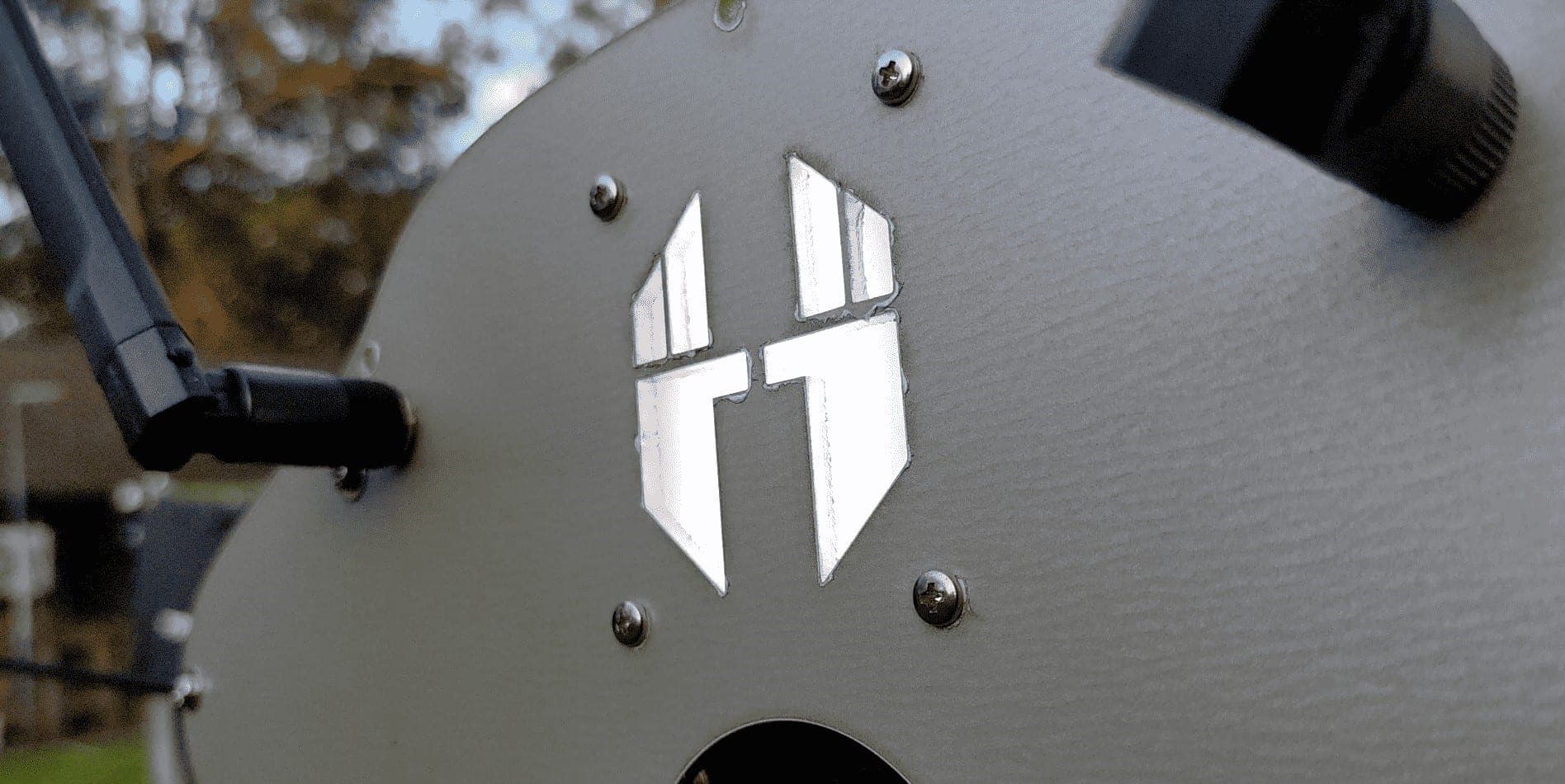
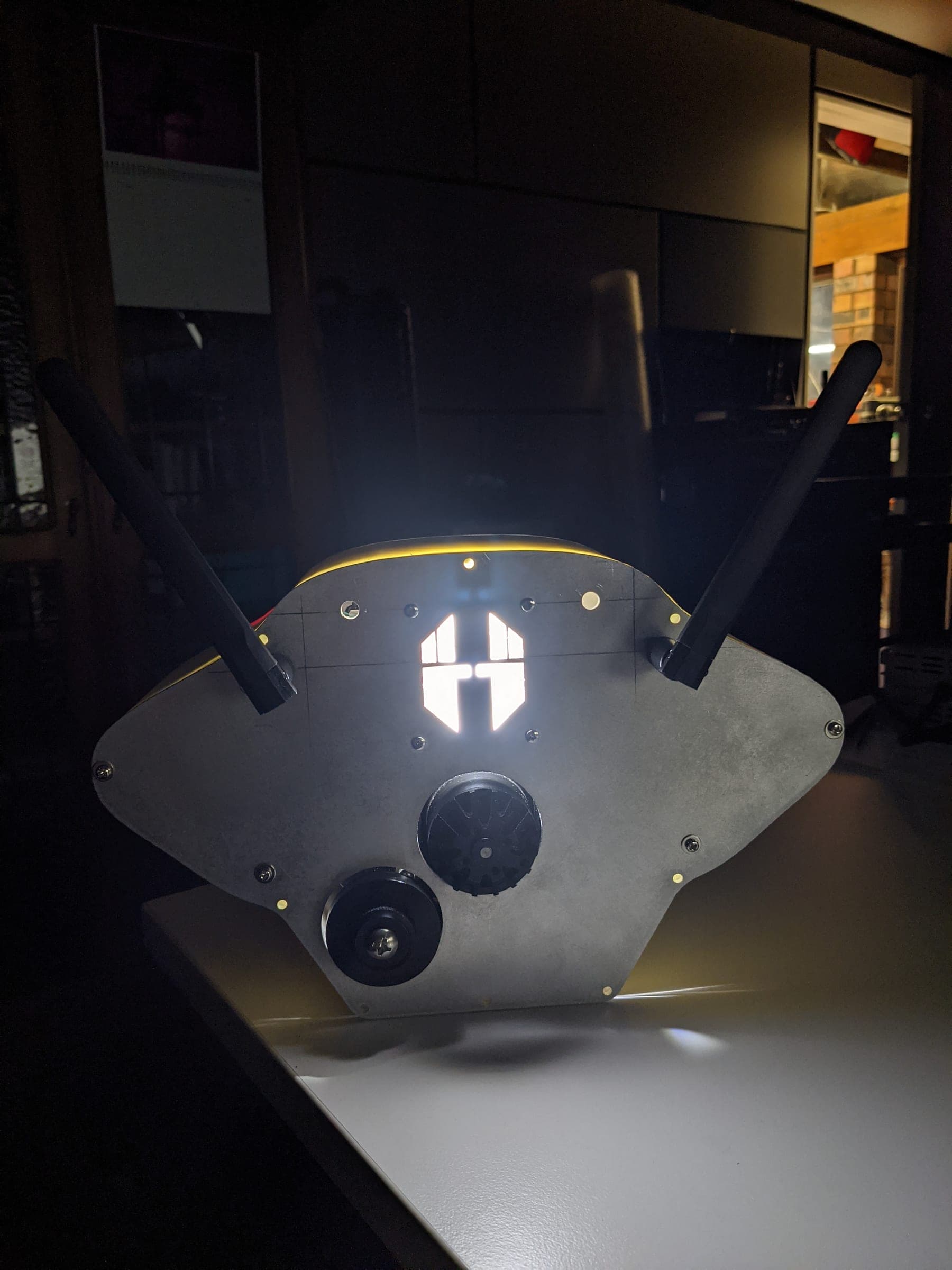
Close-up of the camera car's grey housing, showing the Fliight logo cut into the panel beside an antenna and lens

Fliight Technologies

Bespoke Cable Camera Car

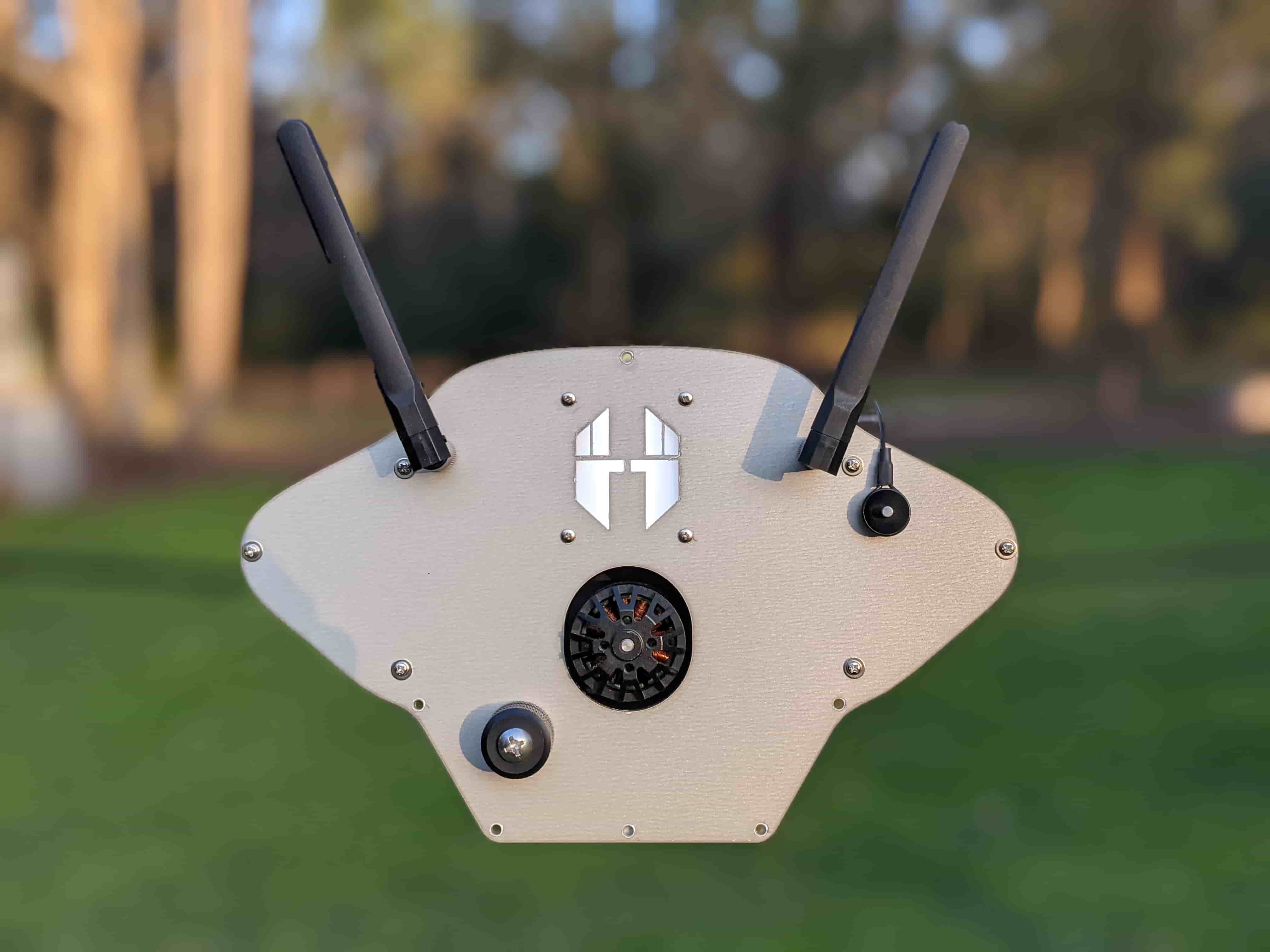
A cable-suspended camera dolly designed, manufactured and assembled from scratch using rapid manufacturing techniques.

  • Mechanical Design
  • 3D Printing
  • CNC Routing
  • Laser Cutting
Read more
  • Close-up of the camera car's grey housing, showing the Fliight logo cut into the panel beside an antenna and lens
  • Close-up of the camera car power and control board with its Raspberry Pi interface
  • Front panel of the assembled camera car with its drive wheel, antennas and Fliight-branded housing
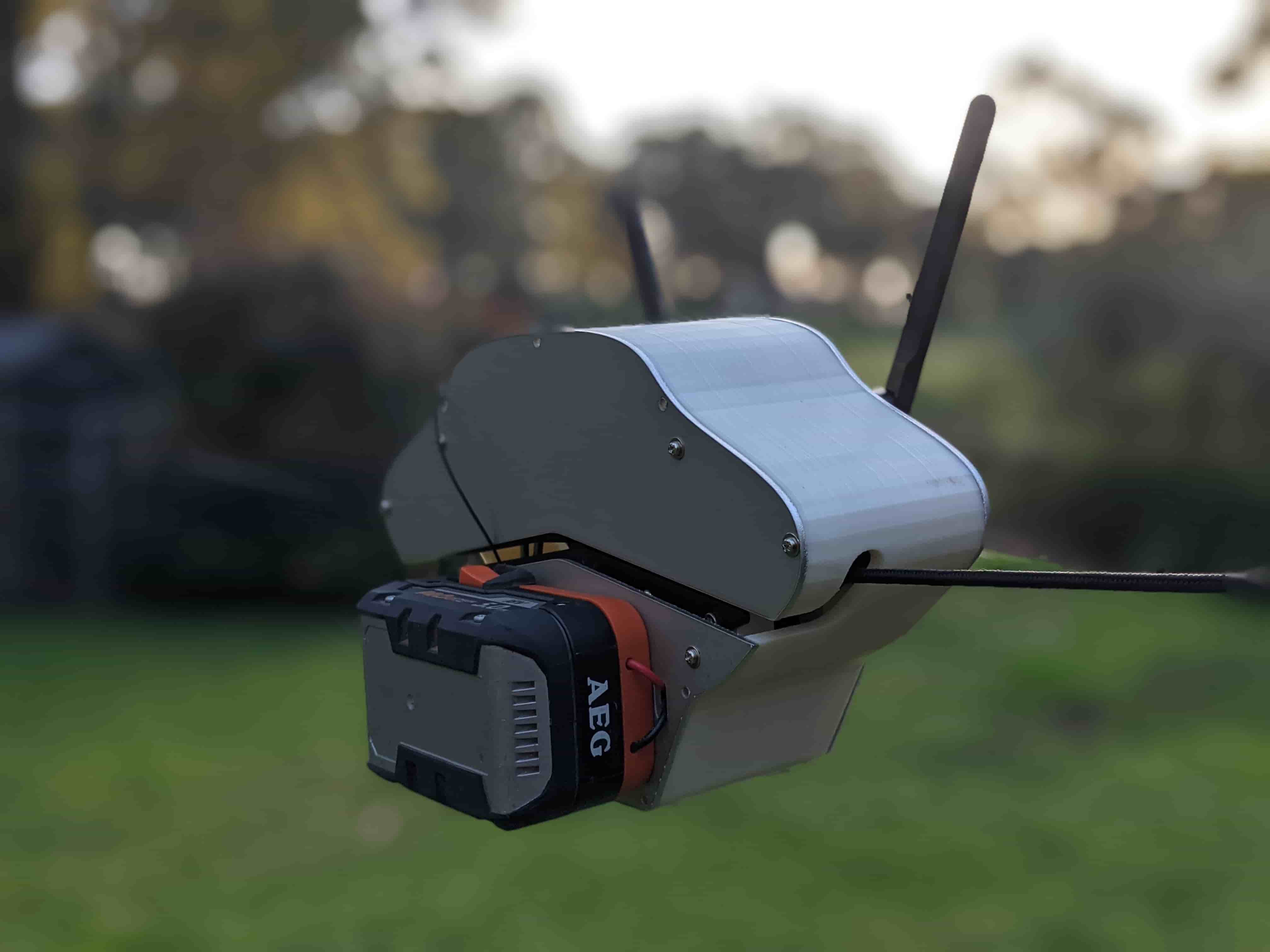
  • Battery side of the camera car showing the curved housing and suspended drive arrangement
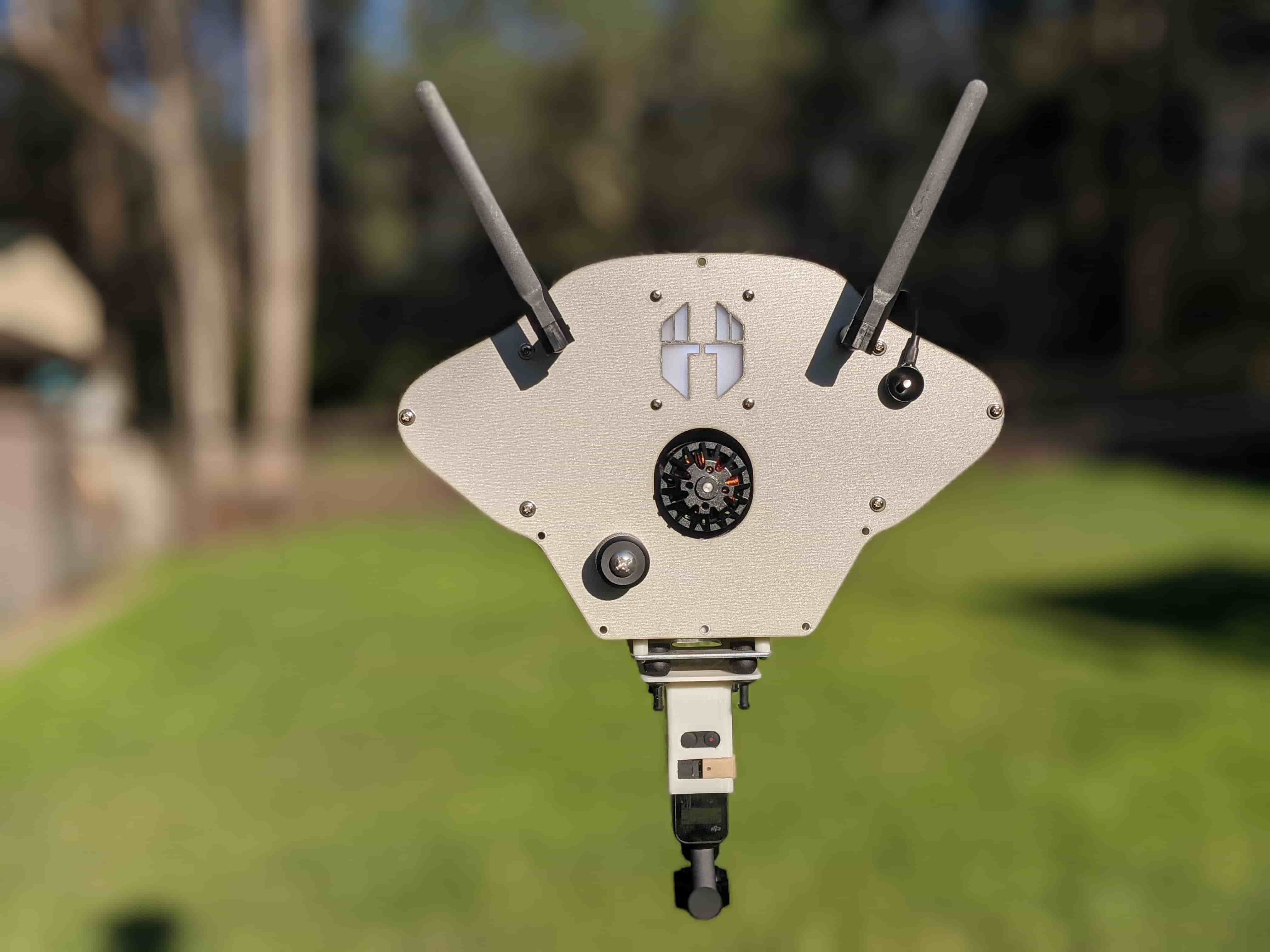
  • Complete cable camera car outdoors with a camera suspended beneath the chassis
  • Camera car indoors with the Fliight logo illuminated on the front panel

Media 1 of 6

A camera car runs a payload along a suspended cable — smooth motion, no vibration reaching the lens, and nothing that can drop.

Build

Designed, manufactured and assembled end to end, leaning on rapid manufacturing so the design could iterate at the speed of testing:

  • 3D printing for brackets, housings and drive components
  • CNC routing for flat structural parts
  • CNC laser cutting for sheet elements

Building this way meant a change to the drive geometry could be tested within a day rather than a fortnight, which is the entire argument for rapid manufacturing on a one-off.

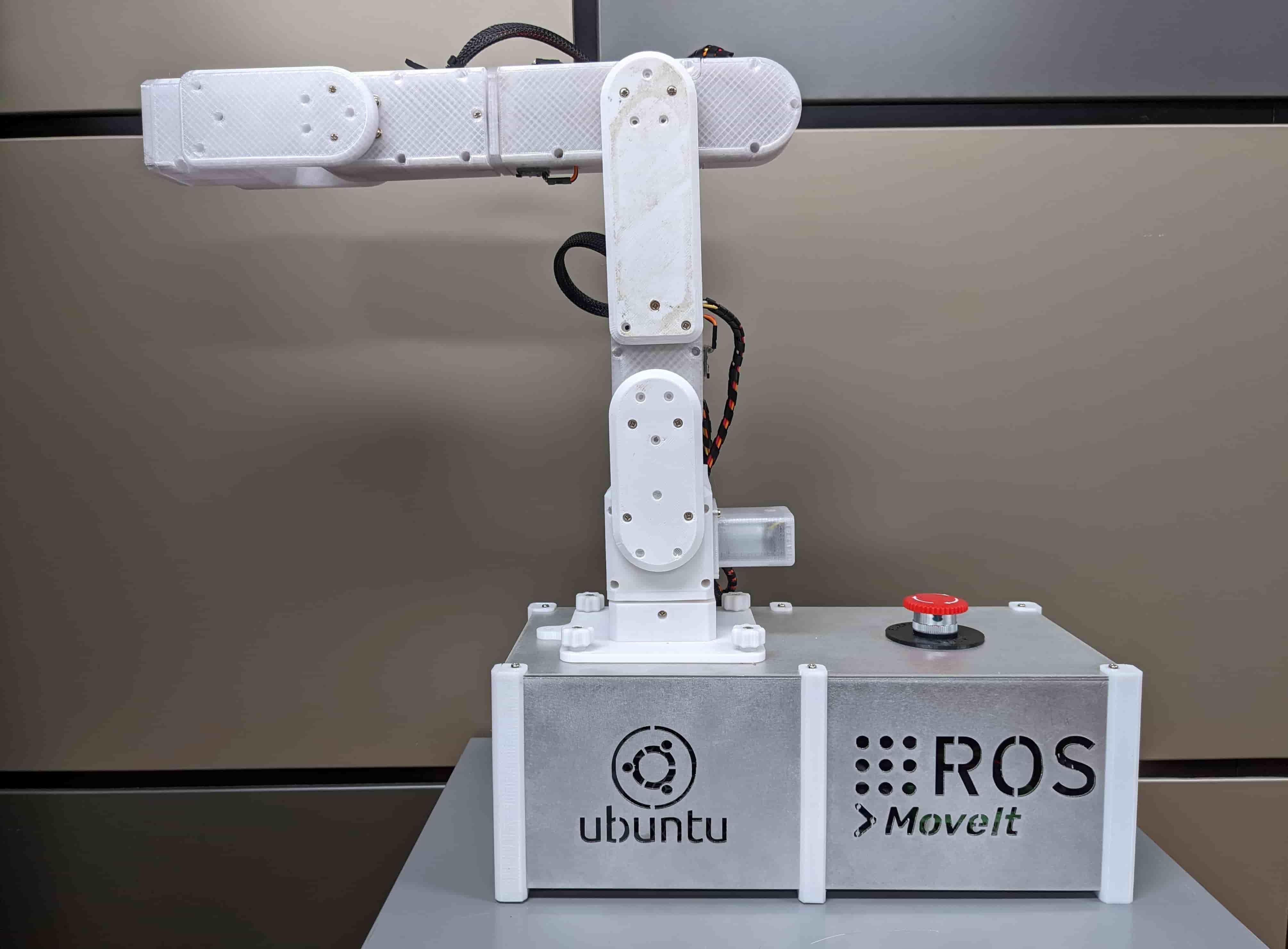
The finished six-axis arm — white 3D-printed links on a machined aluminium base carrying Ubuntu and ROS MoveIt marks, with a red emergency stop

Thesis — University of Wollongong

Low-Cost 6-DOF Robotic Arm

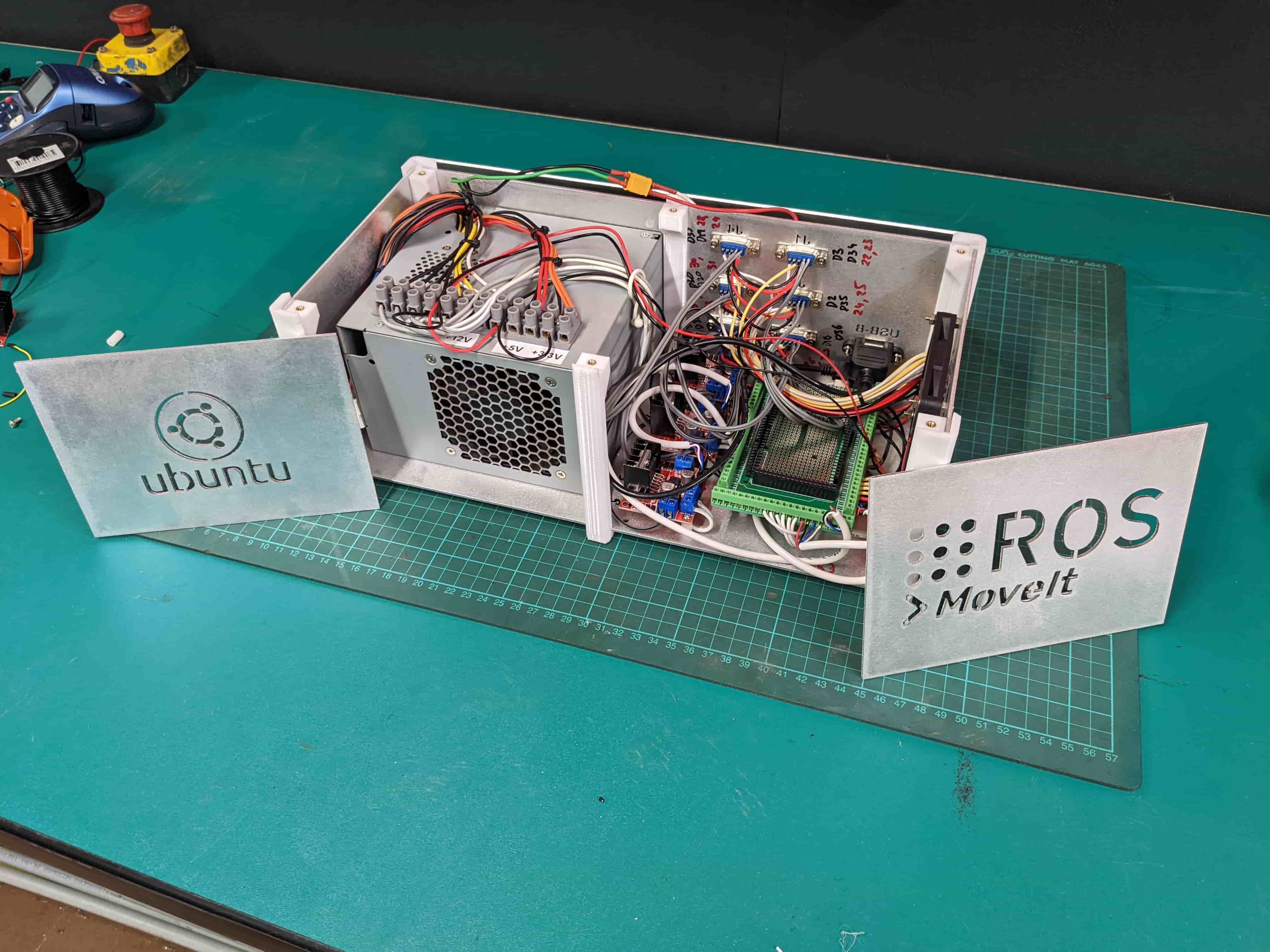
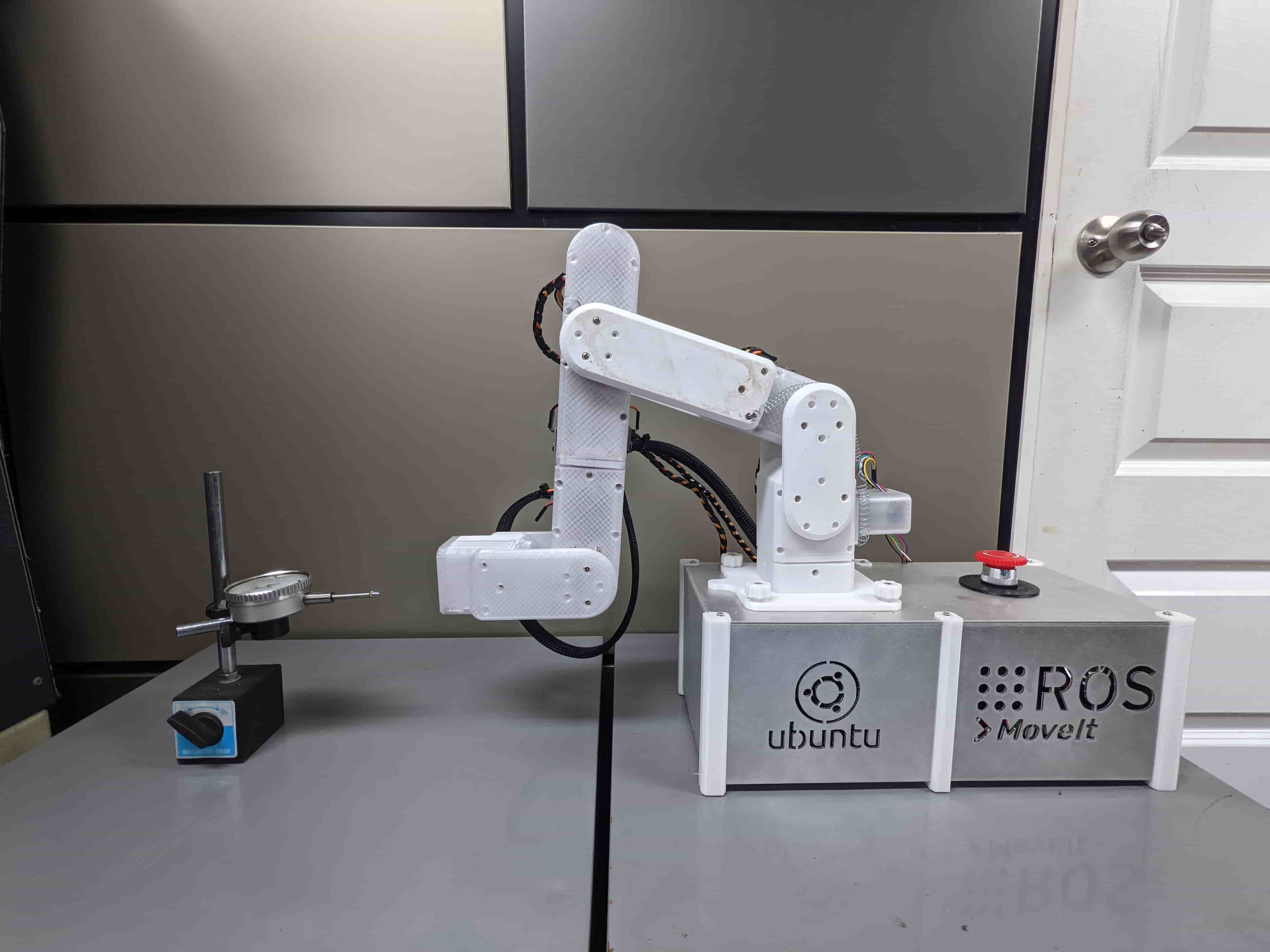
Undergraduate thesis — designed, built and benchmarked a six degrees-of-freedom robotic arm from 3D-printed components, with MATLAB data acquisition to characterise its real performance.

  • Robotics
  • MATLAB
  • 3D Printing
  • Data Acquisition
Read more
  • The finished six-axis arm — white 3D-printed links on a machined aluminium base carrying Ubuntu and ROS MoveIt marks, with a red emergency stop
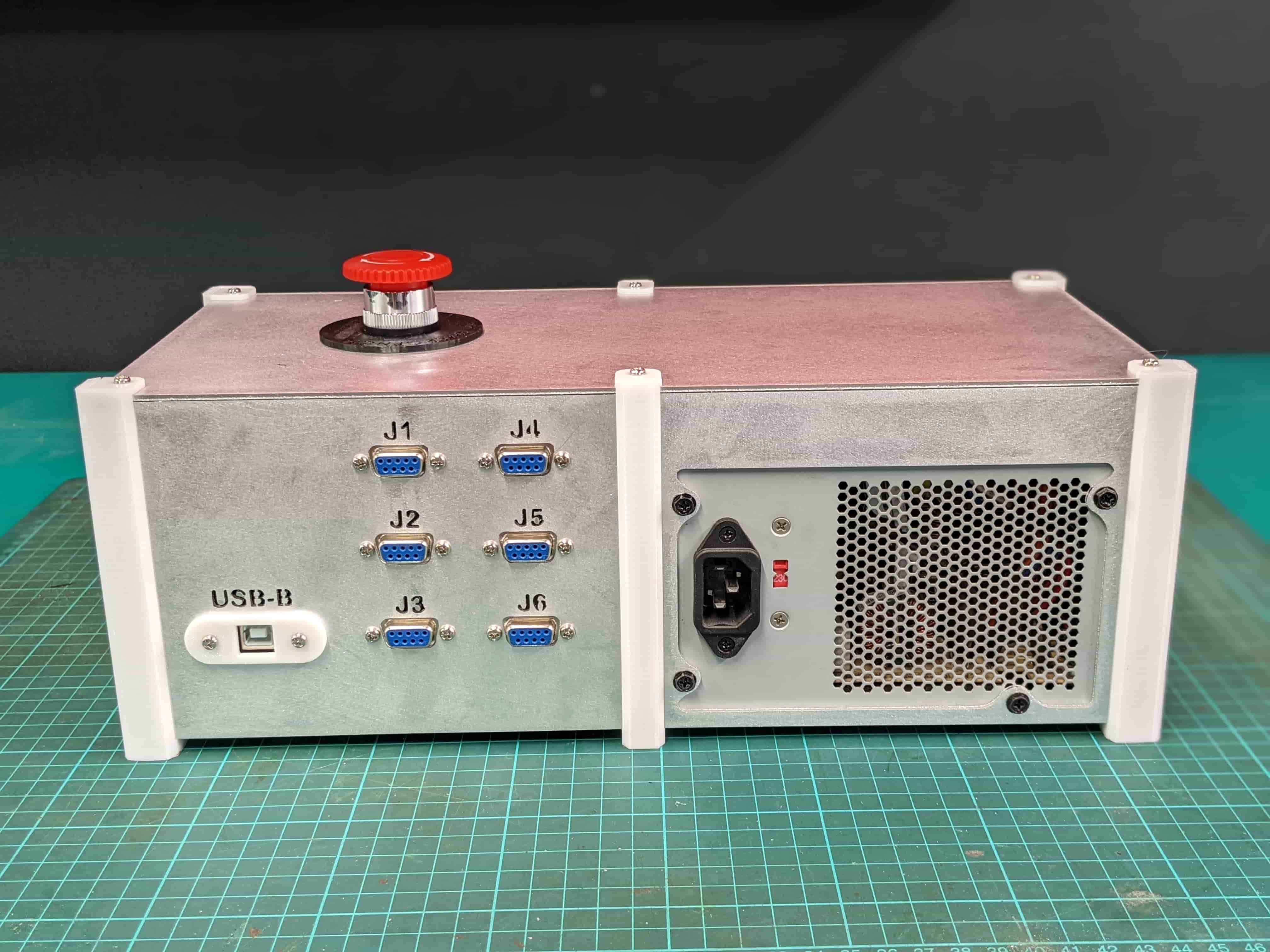
  • Rear panel of the control enclosure with power entry, cooling fan and labelled motor connectors
  • Open control enclosure showing the power supplies, motion controllers and internal wiring
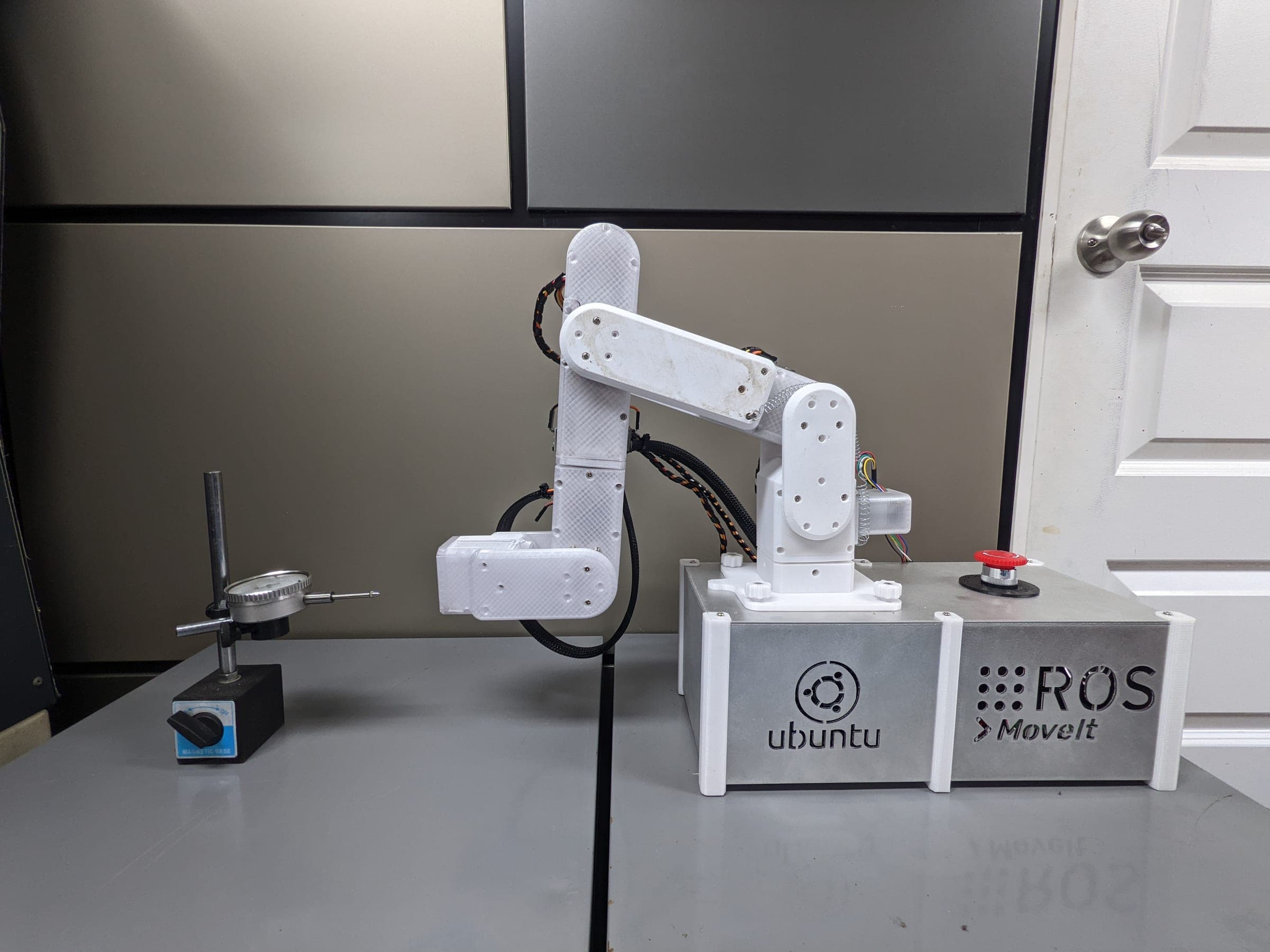
  • The robotic arm folded beside a dial indicator used to measure positioning performance
  • SolidWorks assembly of the six-axis arm with its joint structure and URDF export tools visible
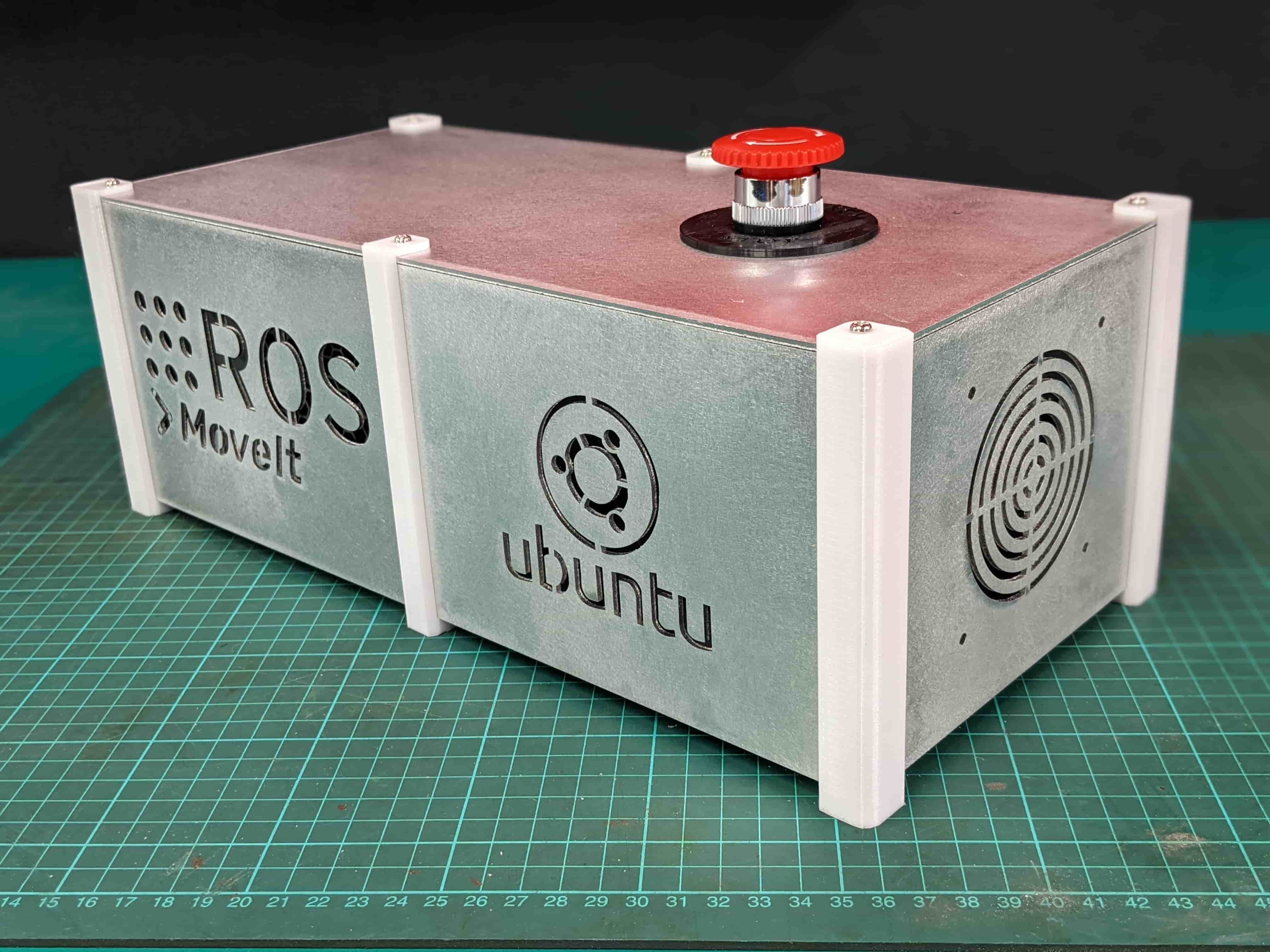
  • Closed control enclosure carrying Ubuntu and ROS branding, with its cooling fan and emergency stop
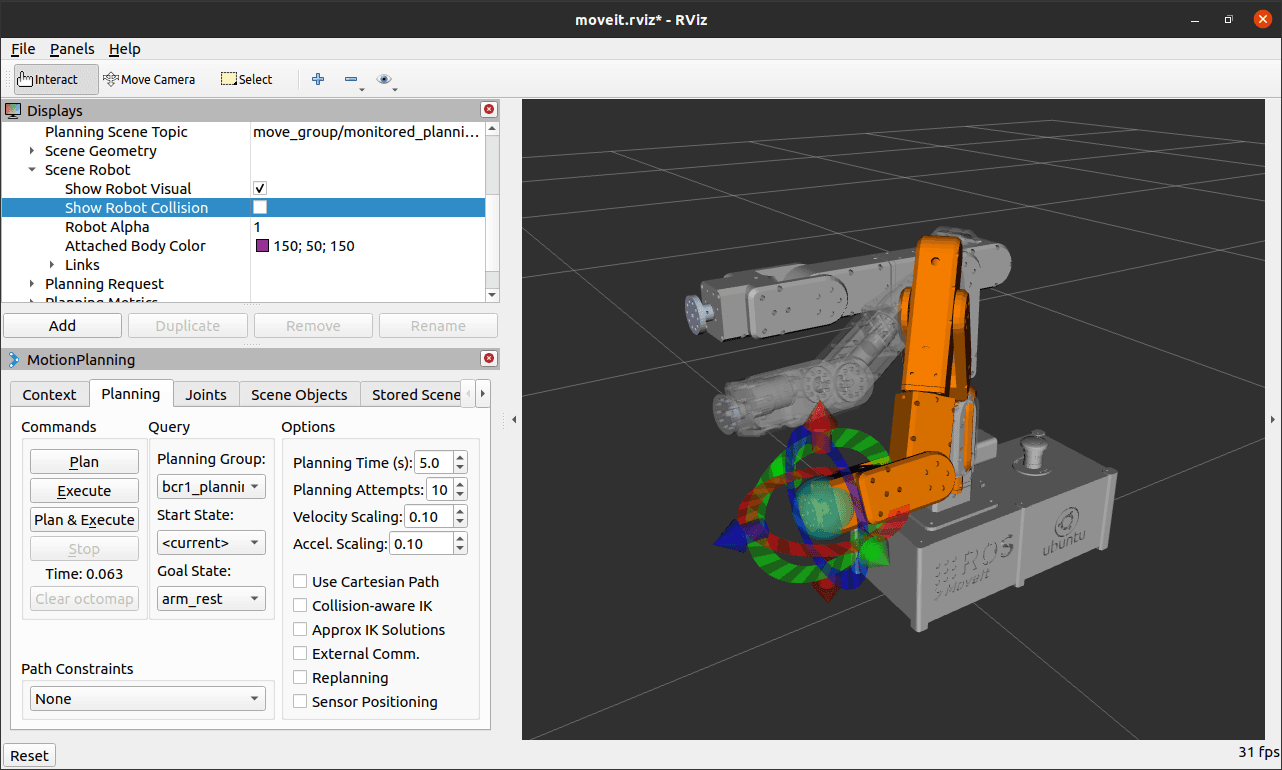
  • RViz and MoveIt interface displaying a planned motion for the robotic arm
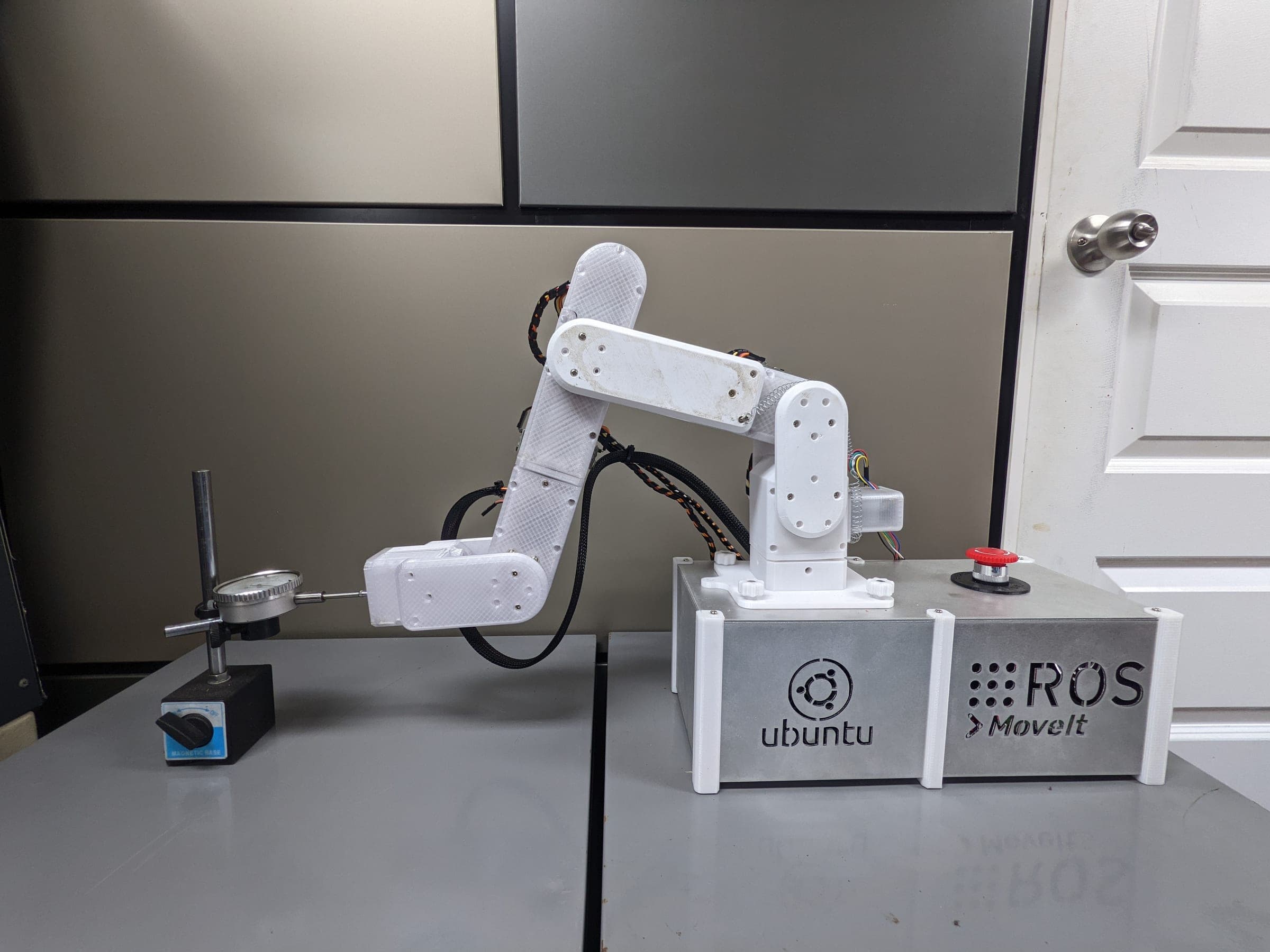
  • The robotic arm in an extended test pose beside the dial indicator measurement frame
  • The robotic arm in a retracted test pose beside the dial indicator measurement frame

Media 1 of 9

The premise: how much robotic arm can you actually get for very little money, and — more importantly — can you prove it?

Design

A six degrees-of-freedom arm built almost entirely from 3D-printed structural components. Designing for FDM meant working around the process rather than against it: load paths aligned to layer orientation, joints designed for printed tolerances, and part splits chosen so nothing critical relied on a weak inter-layer bond.

Characterisation

The interesting half of the thesis was measurement, not construction. Using MATLAB for data acquisition, I benchmarked the arm to determine its actual performance envelope — where the printed structure compliance showed up, and where the low-cost actuation became the limiting factor rather than the frame.

Outcome

A working arm plus a quantified account of what a low-cost printed design does and does not deliver — which is the part that makes it useful to anyone else considering the same approach.

Full side CAD render of a livestock and quad-bike transport trailer

Austate Services

Heavy Transport Trailers

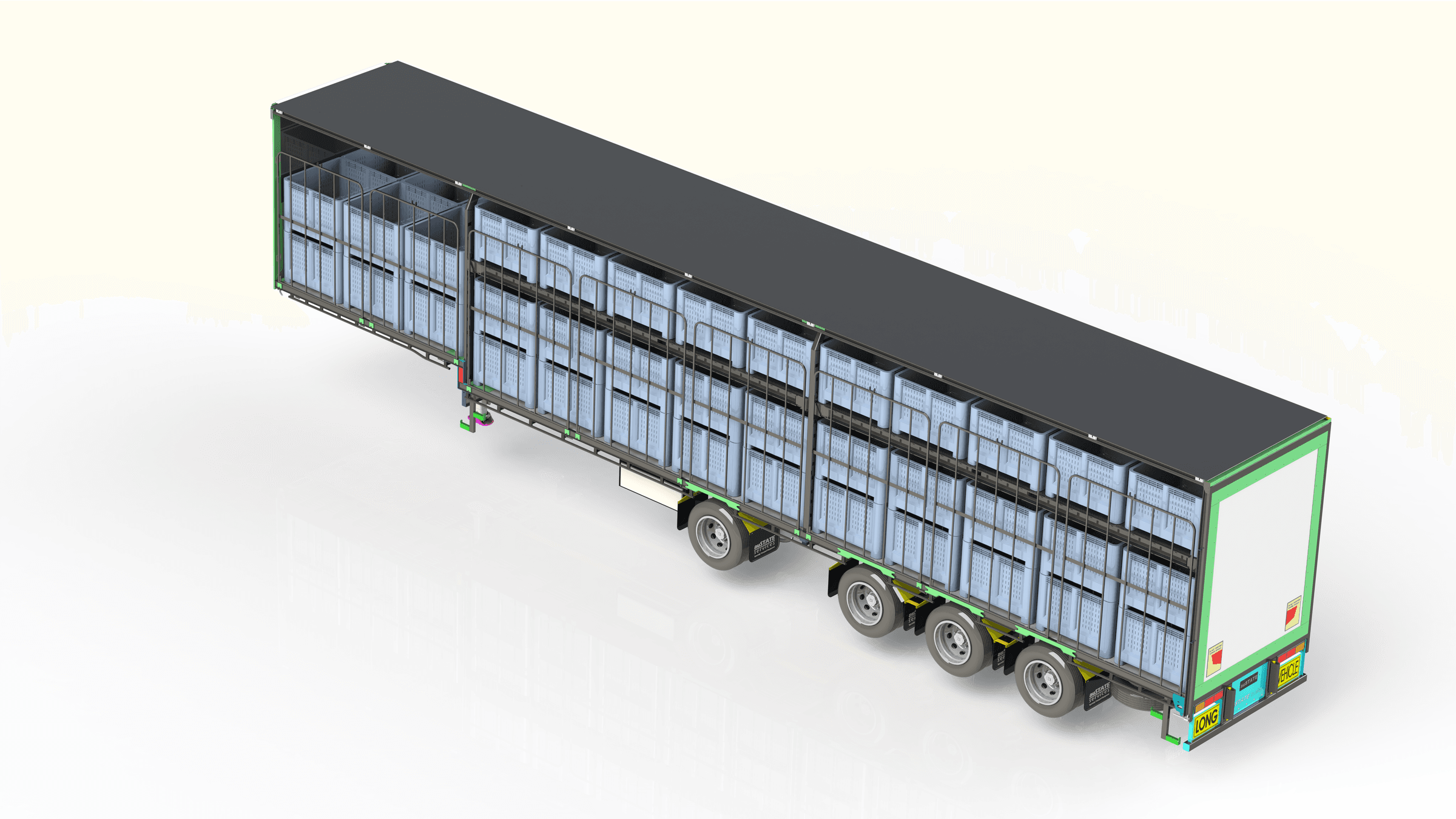
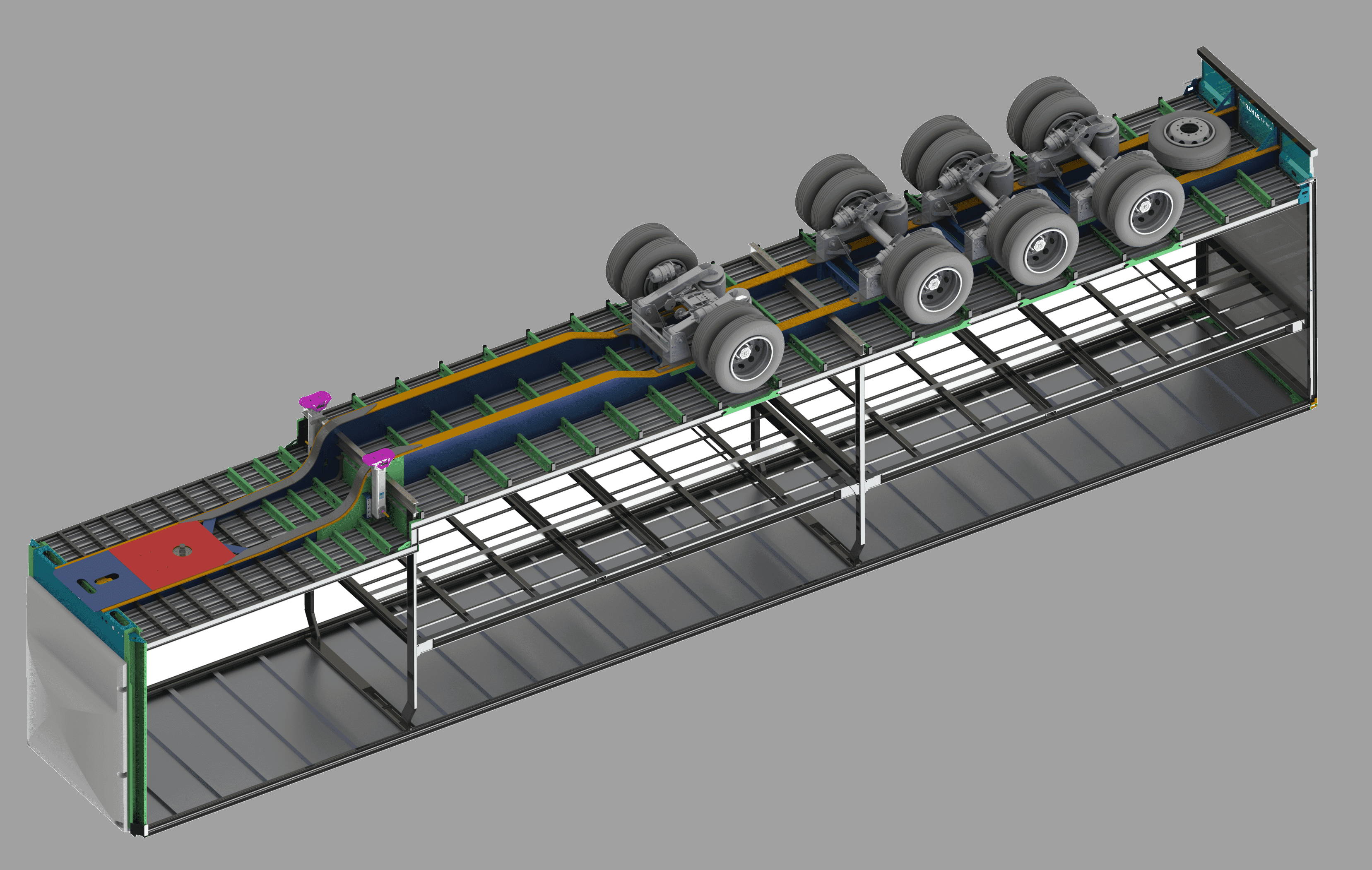
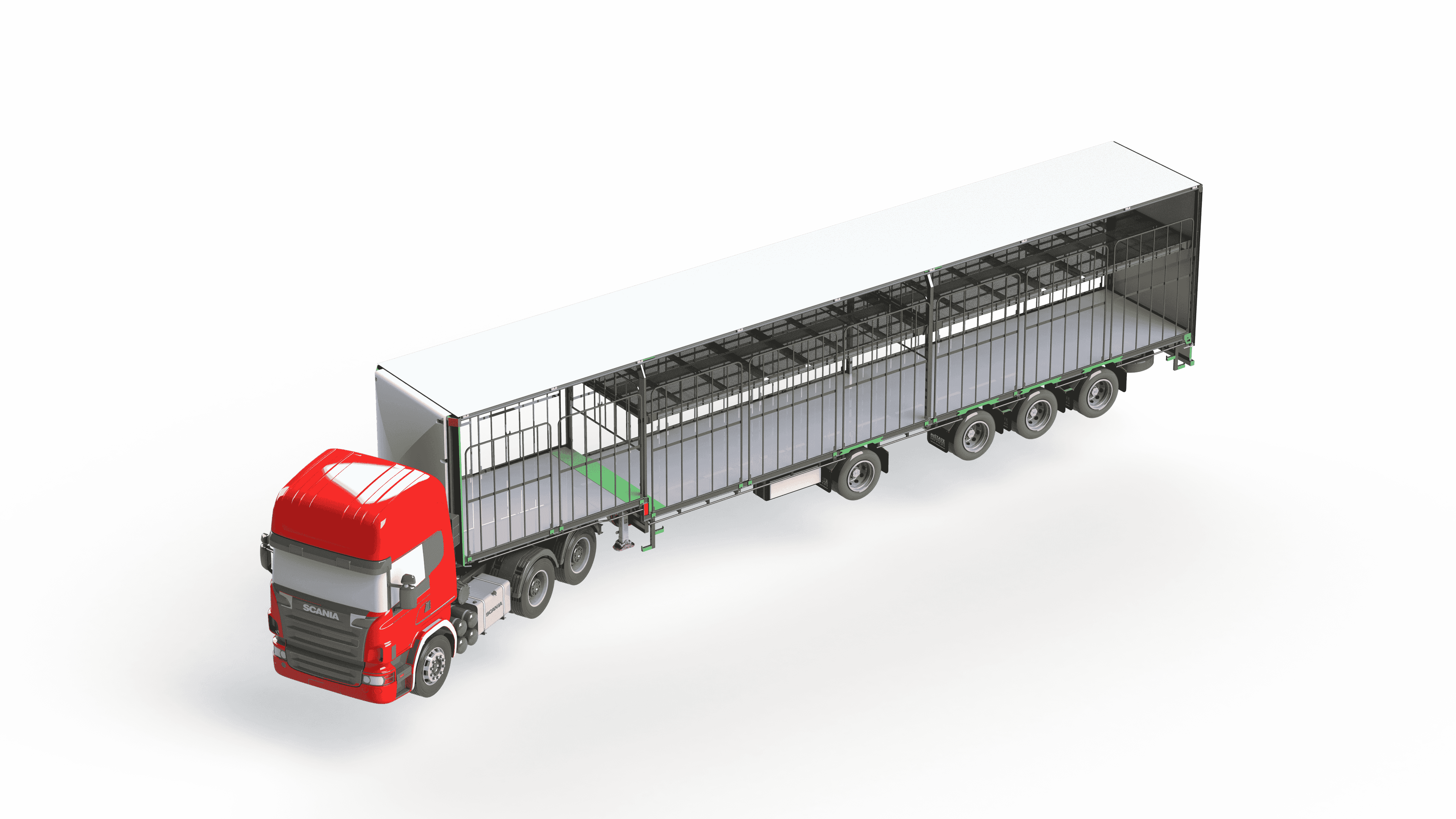
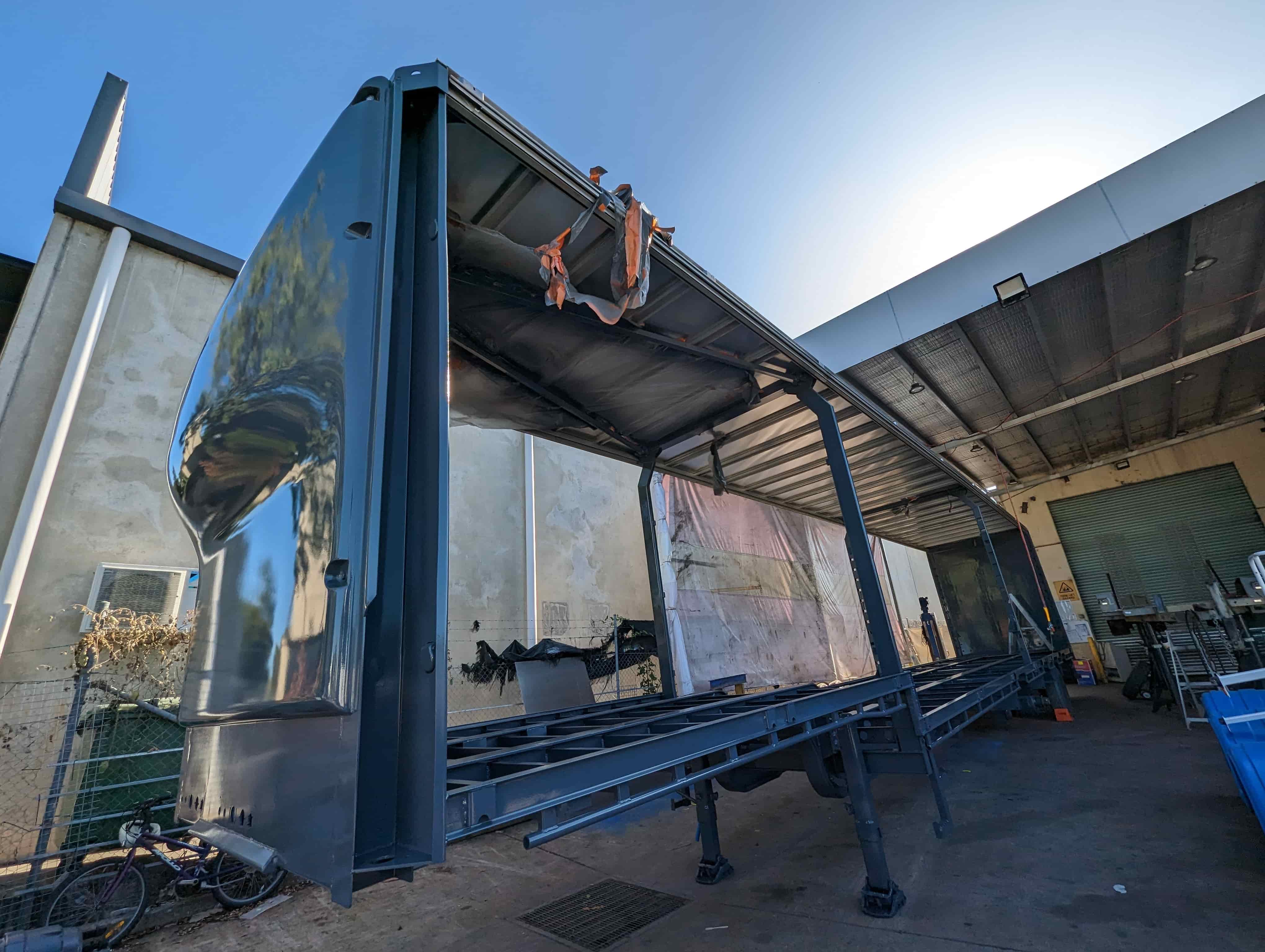
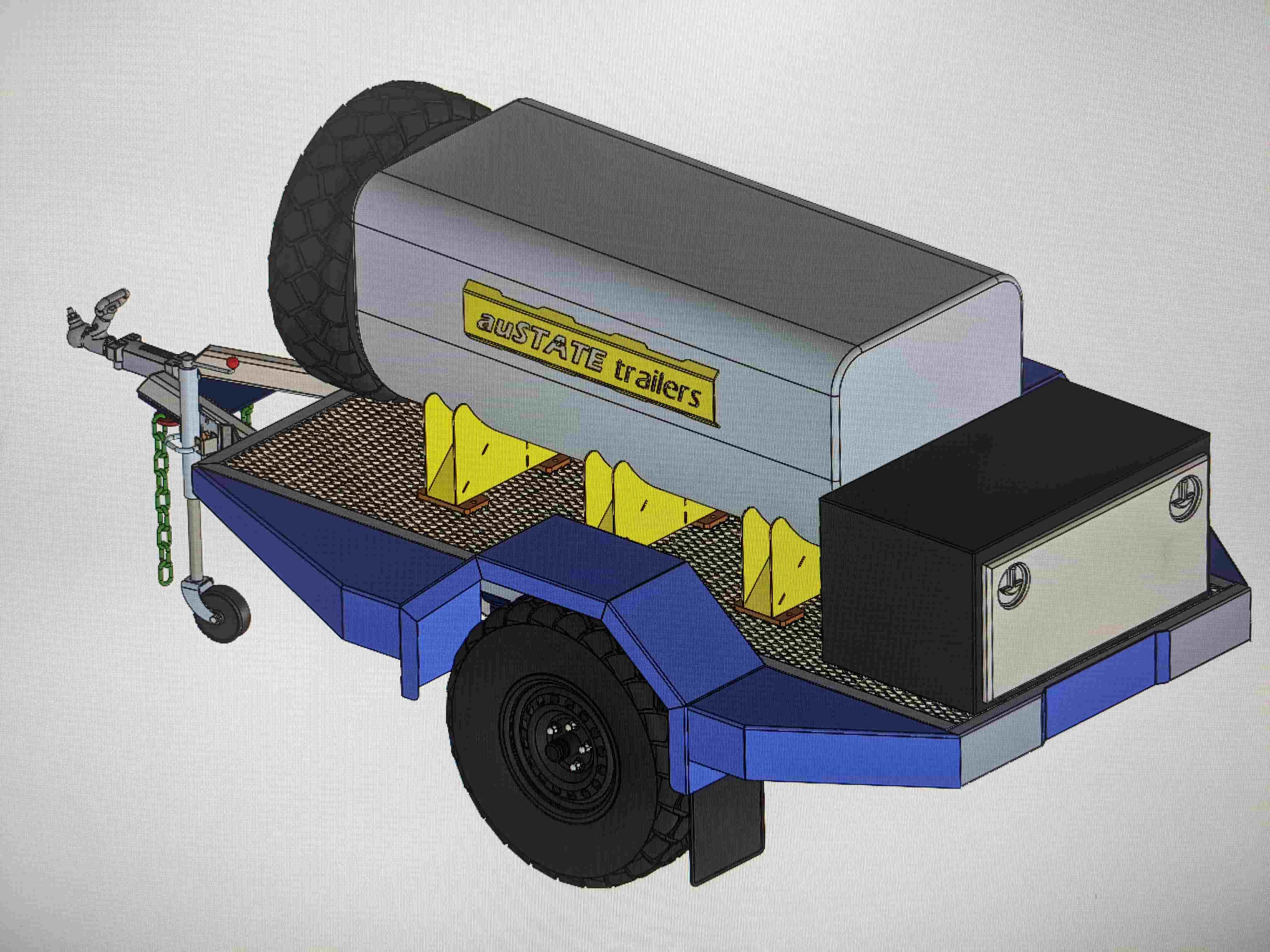
Custom trailer designs for heavy transport vehicles, certified against Australian road vehicle standards and manufactured in-house on equipment I helped commission.

  • SolidWorks
  • Design for Manufacture
  • AS1100
  • Compliance
Read more
  • Full side CAD render of a livestock and quad-bike transport trailer
  • SolidWorks render showing the chassis and running gear of a multi-axle heavy transport trailer
  • CAD render of a red prime mover and long livestock road-train combination
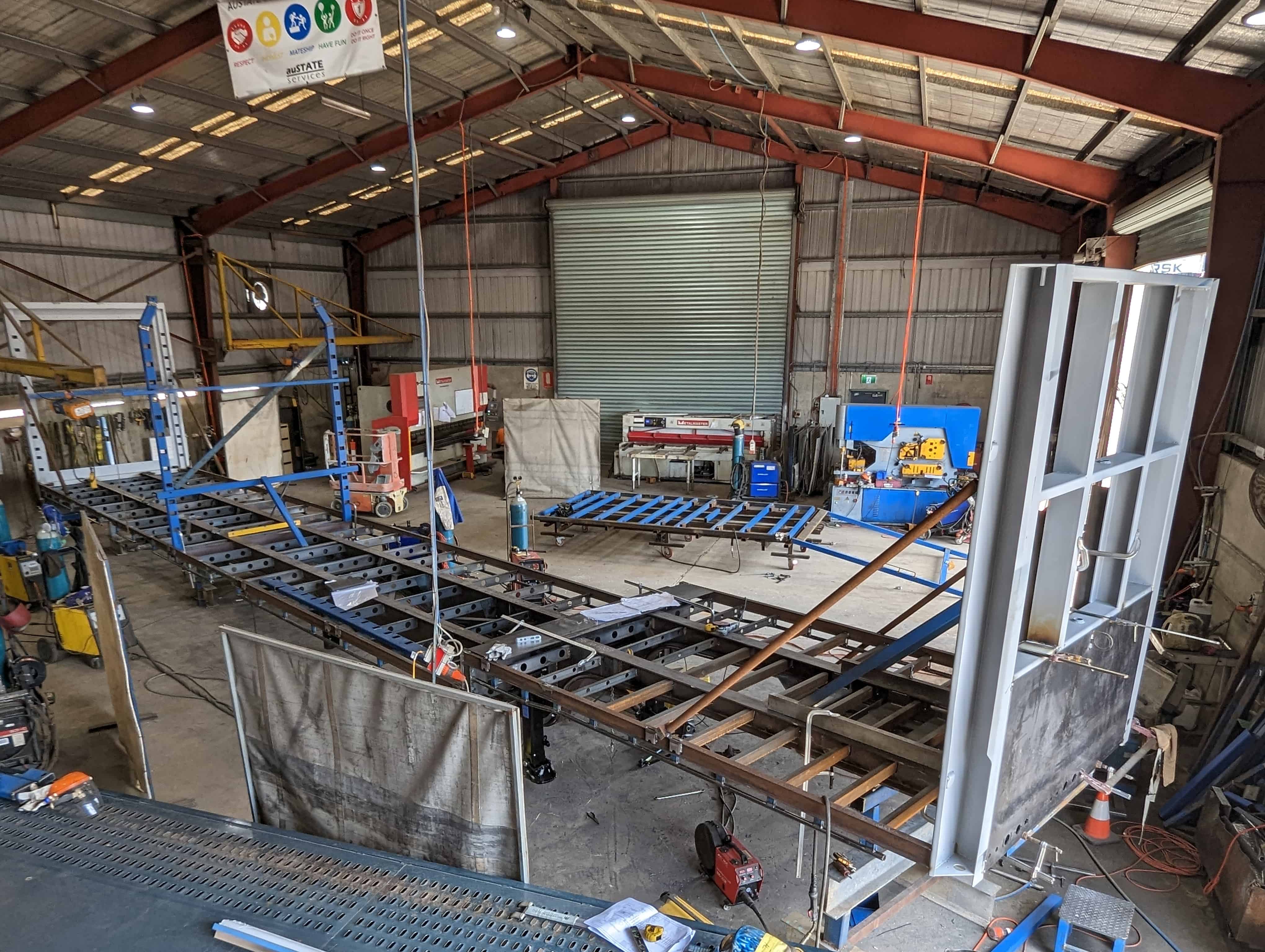
  • Long livestock trailer frame under construction in the fabrication workshop
  • CAD render of a compact off-road utility trailer with enclosed storage boxes
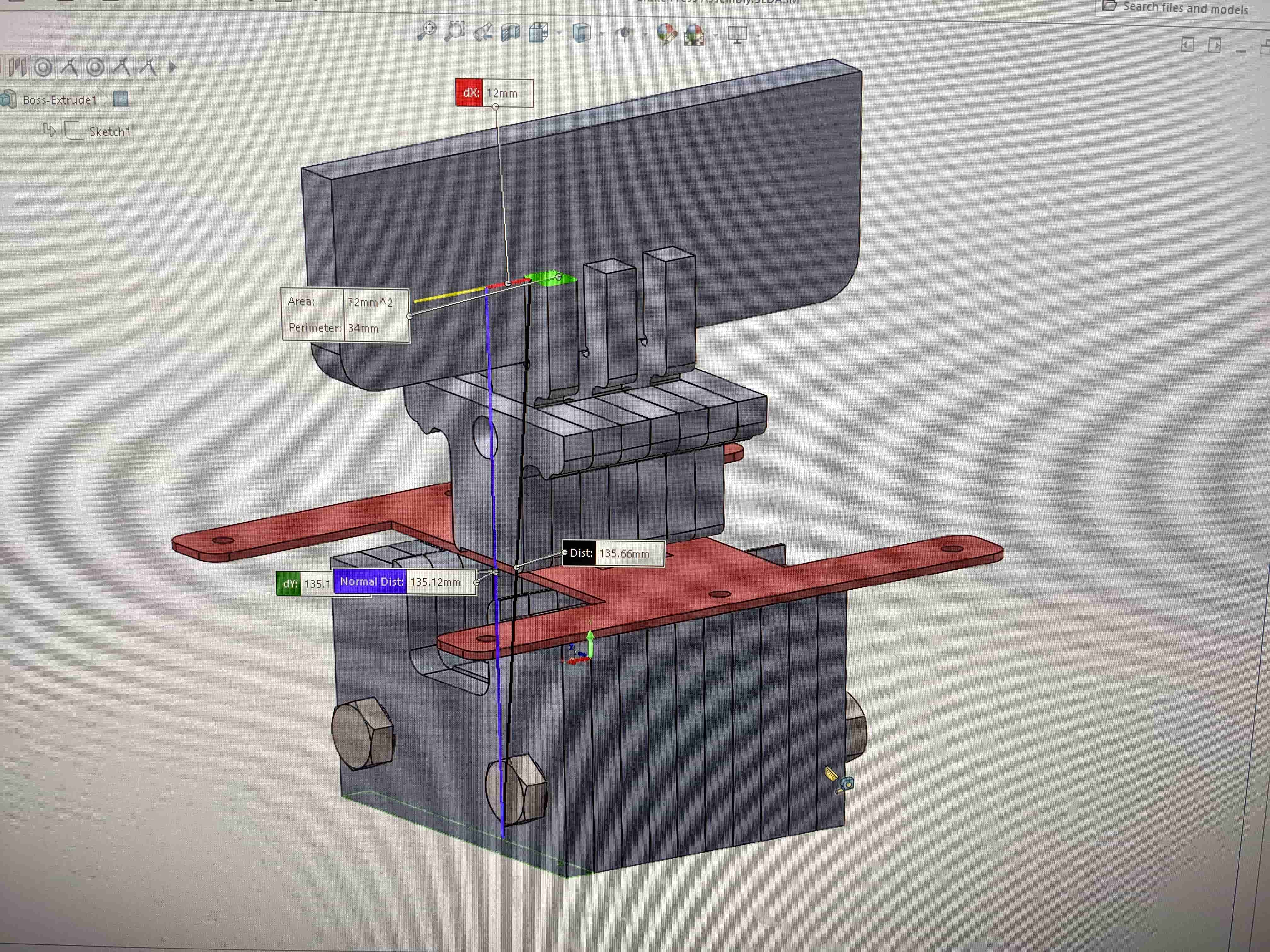
  • SolidWorks detail of a custom clamping bracket fitted around structural beams
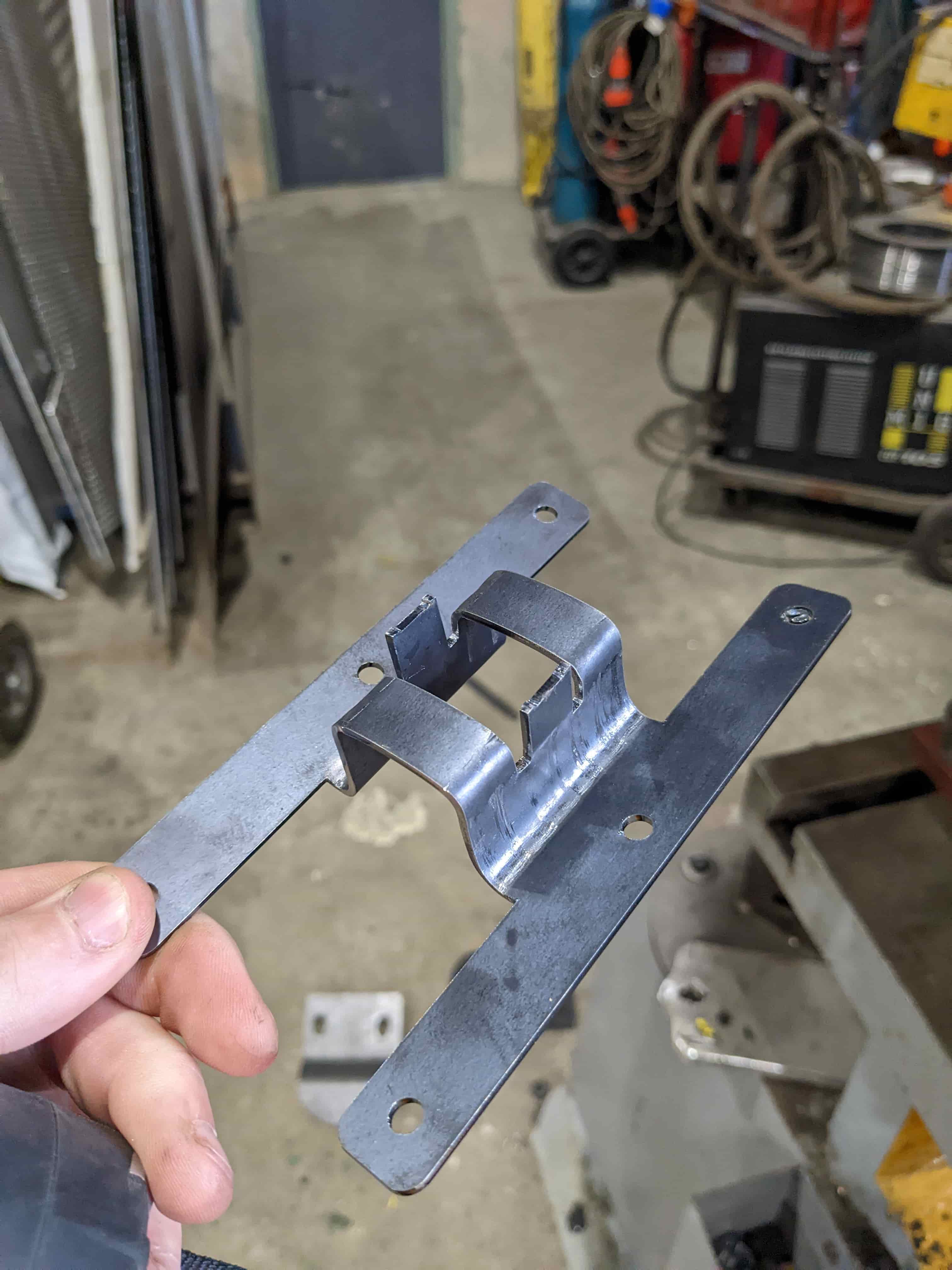
  • Fabricated steel clamping bracket produced from the CAD design
  • Full workshop view of the commissioned sheet-and-tube fibre laser cutter
  • Heavy trailer chassis and frame assemblies progressing through workshop fabrication
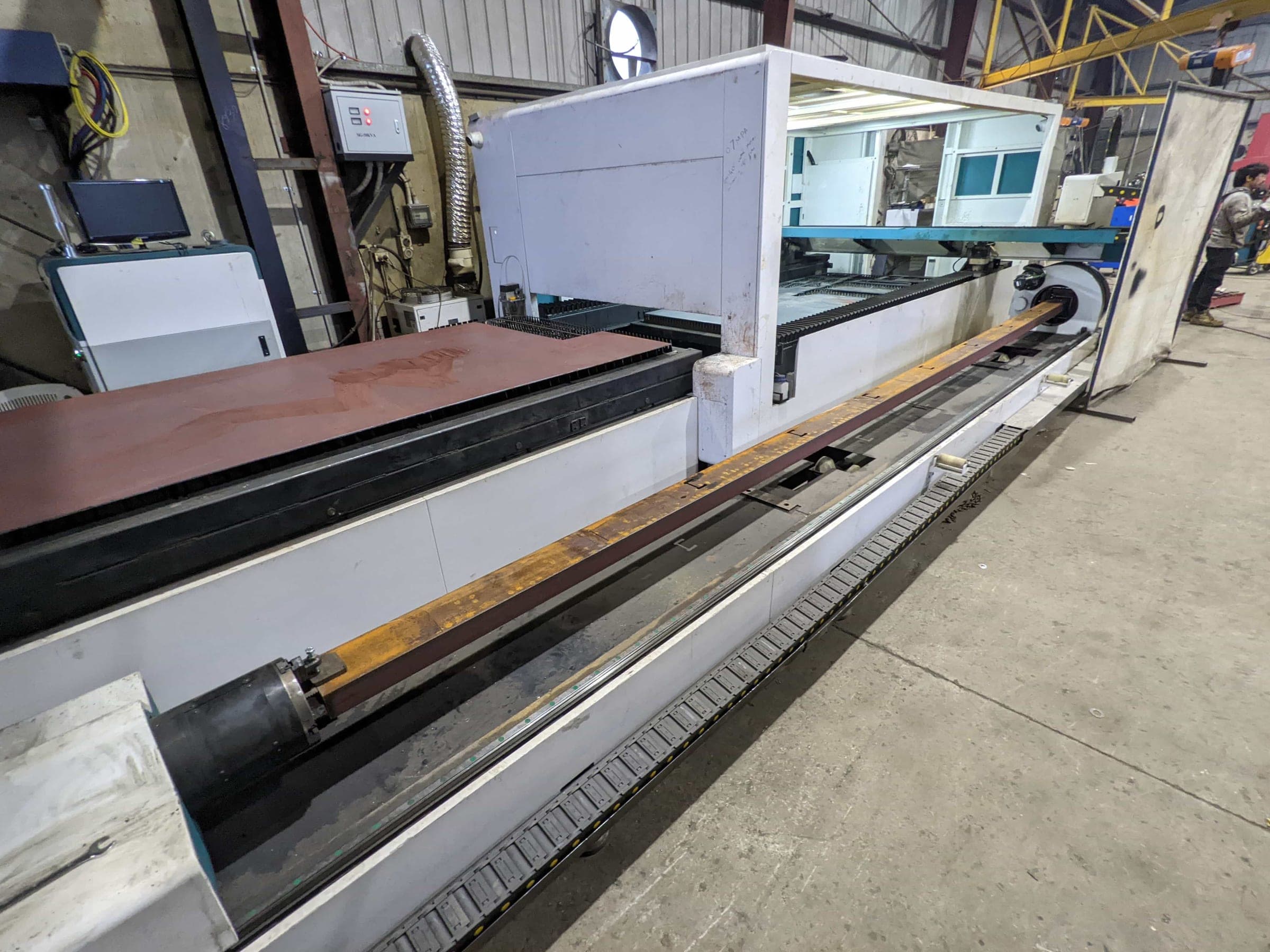
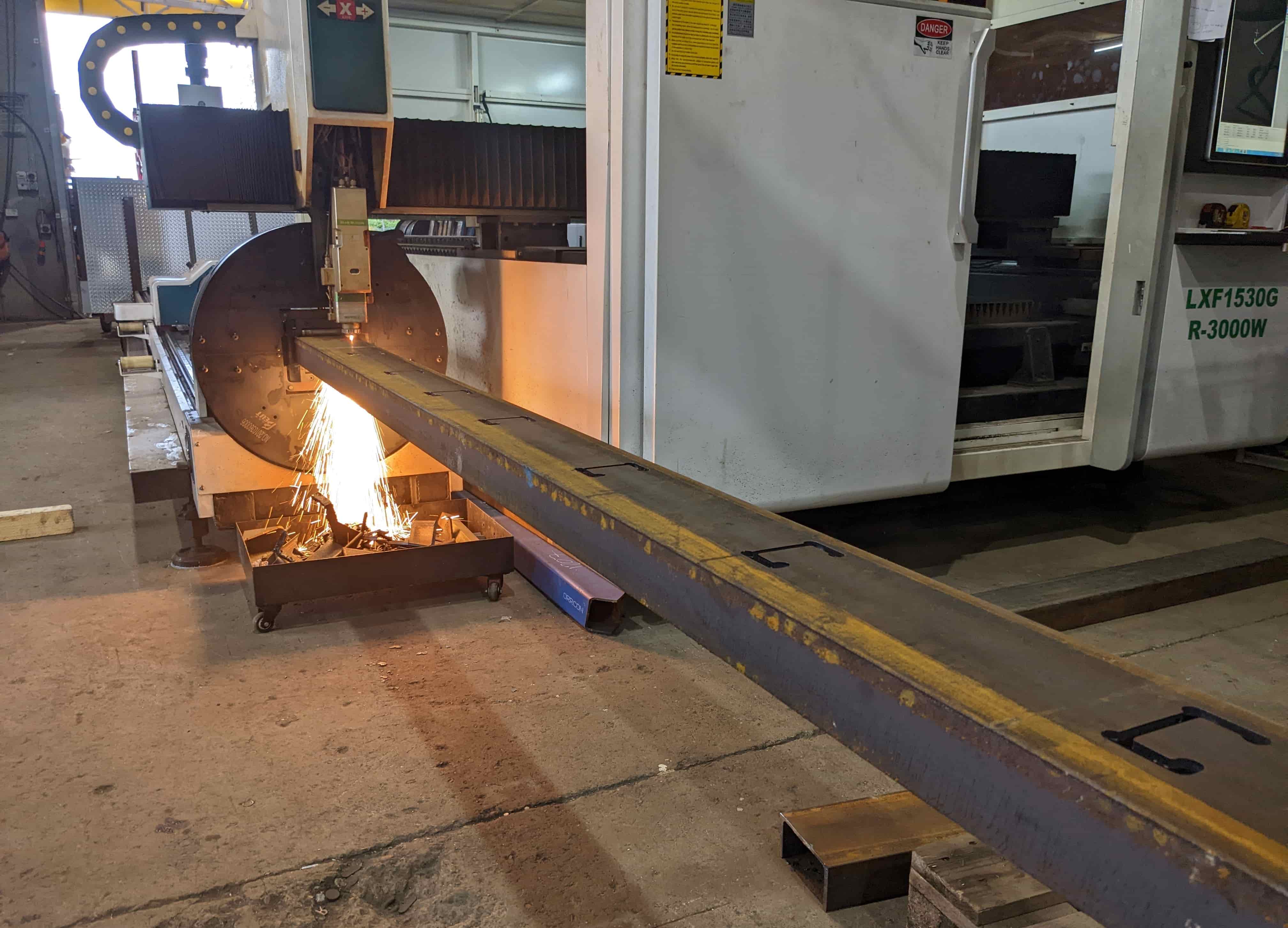
  • Four-axis fibre laser cutting a long steel beam with sparks falling beneath the cutting bed
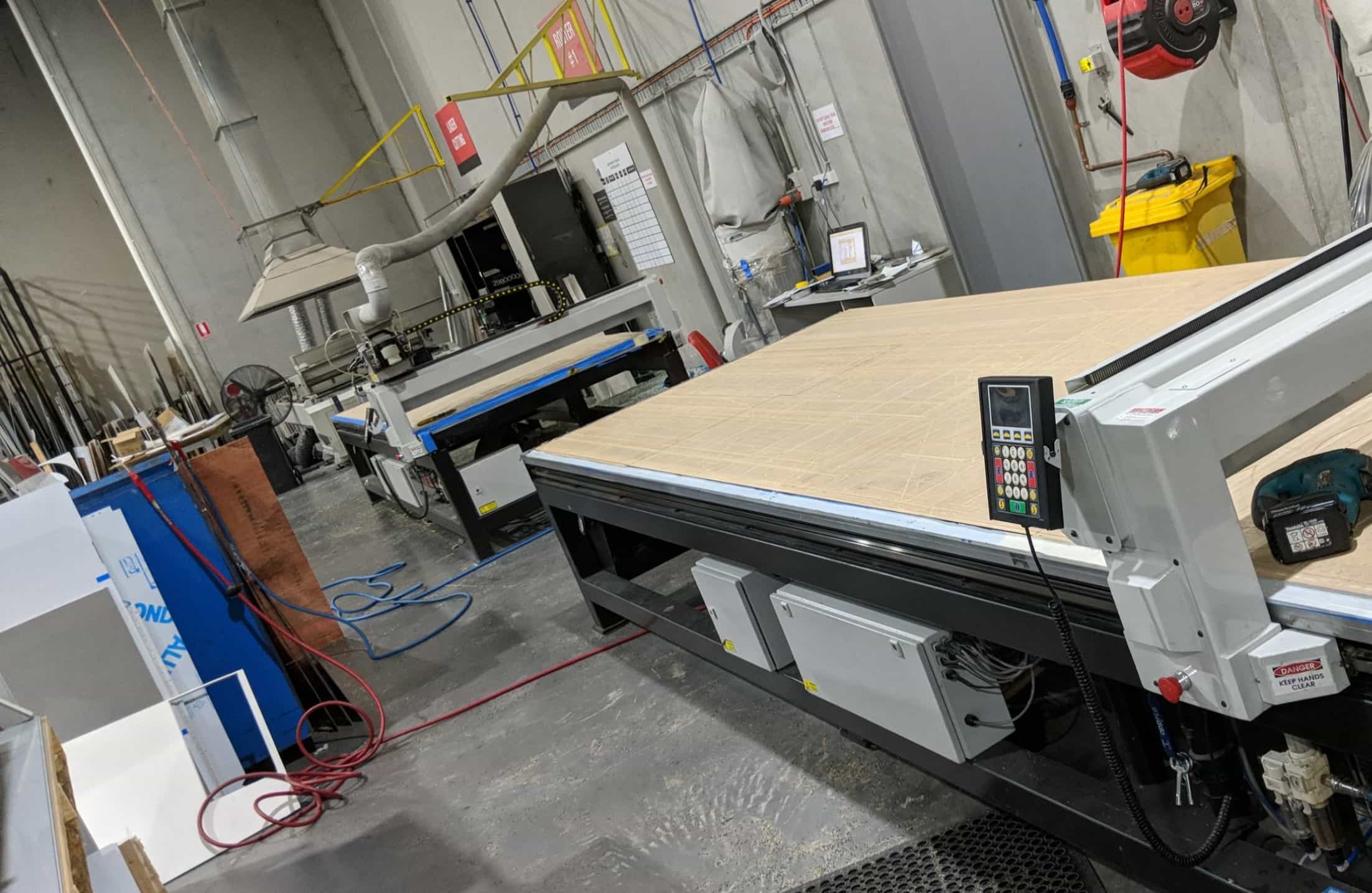
  • Two CNC router tables installed in the production workshop
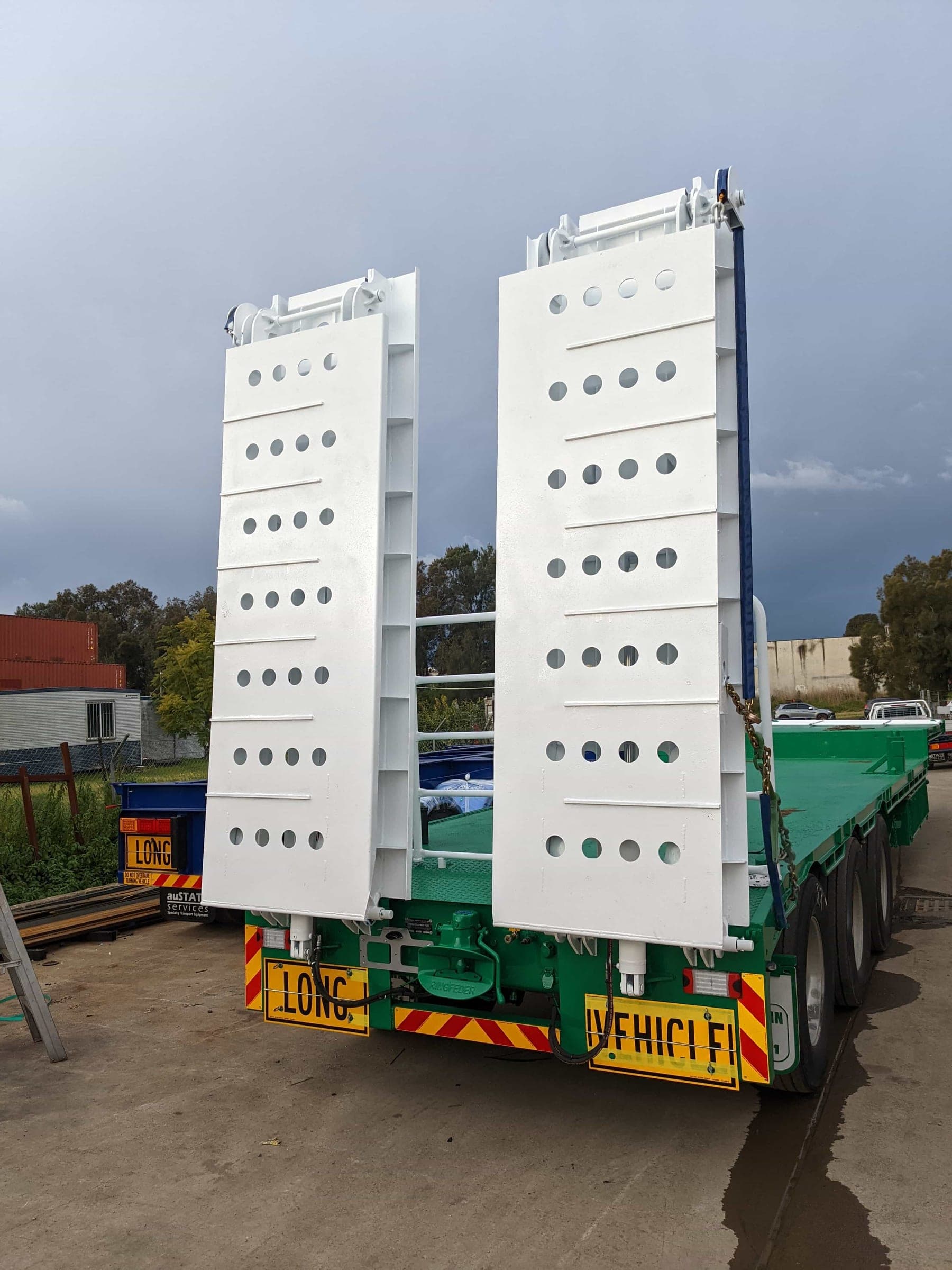
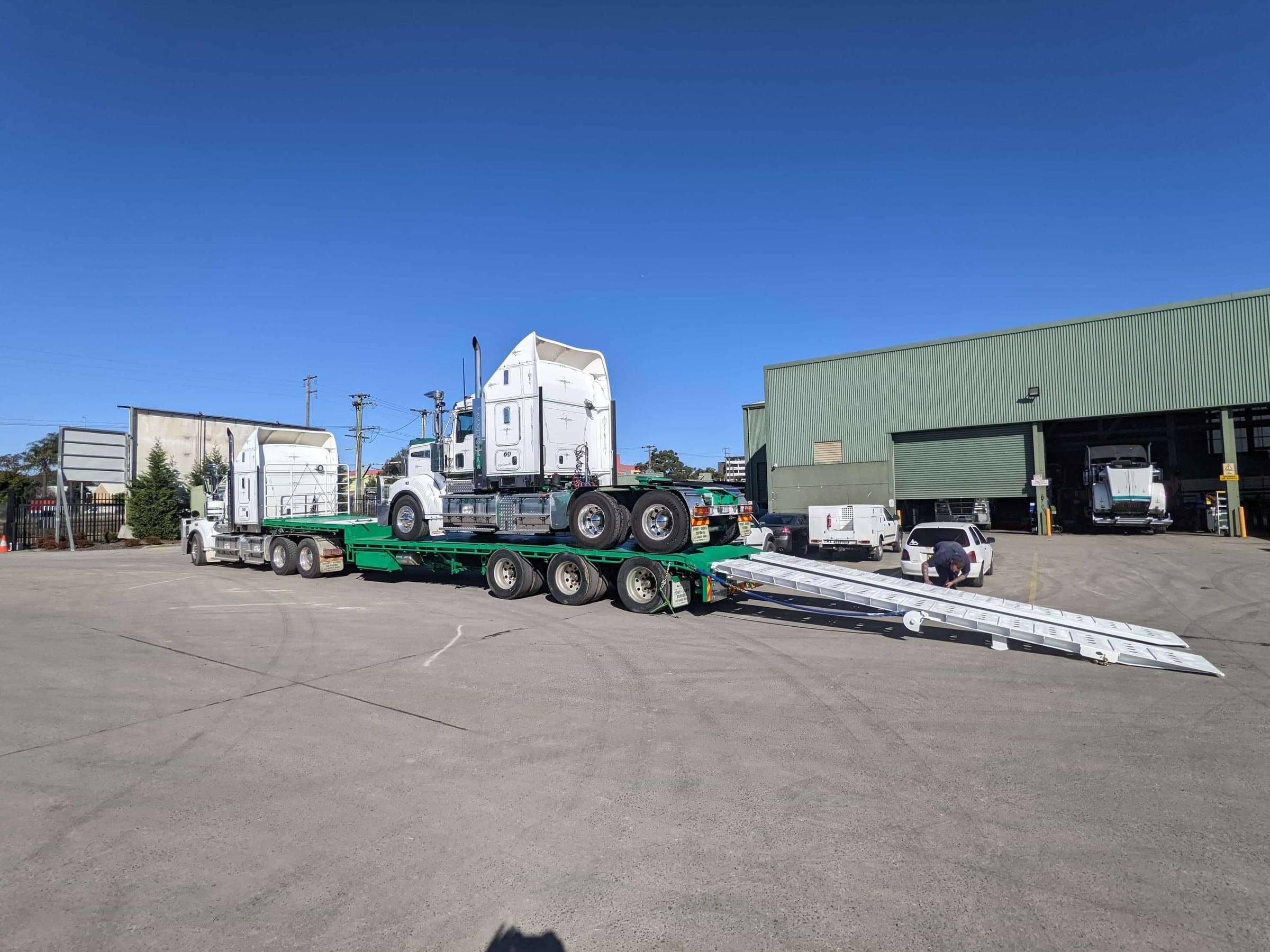
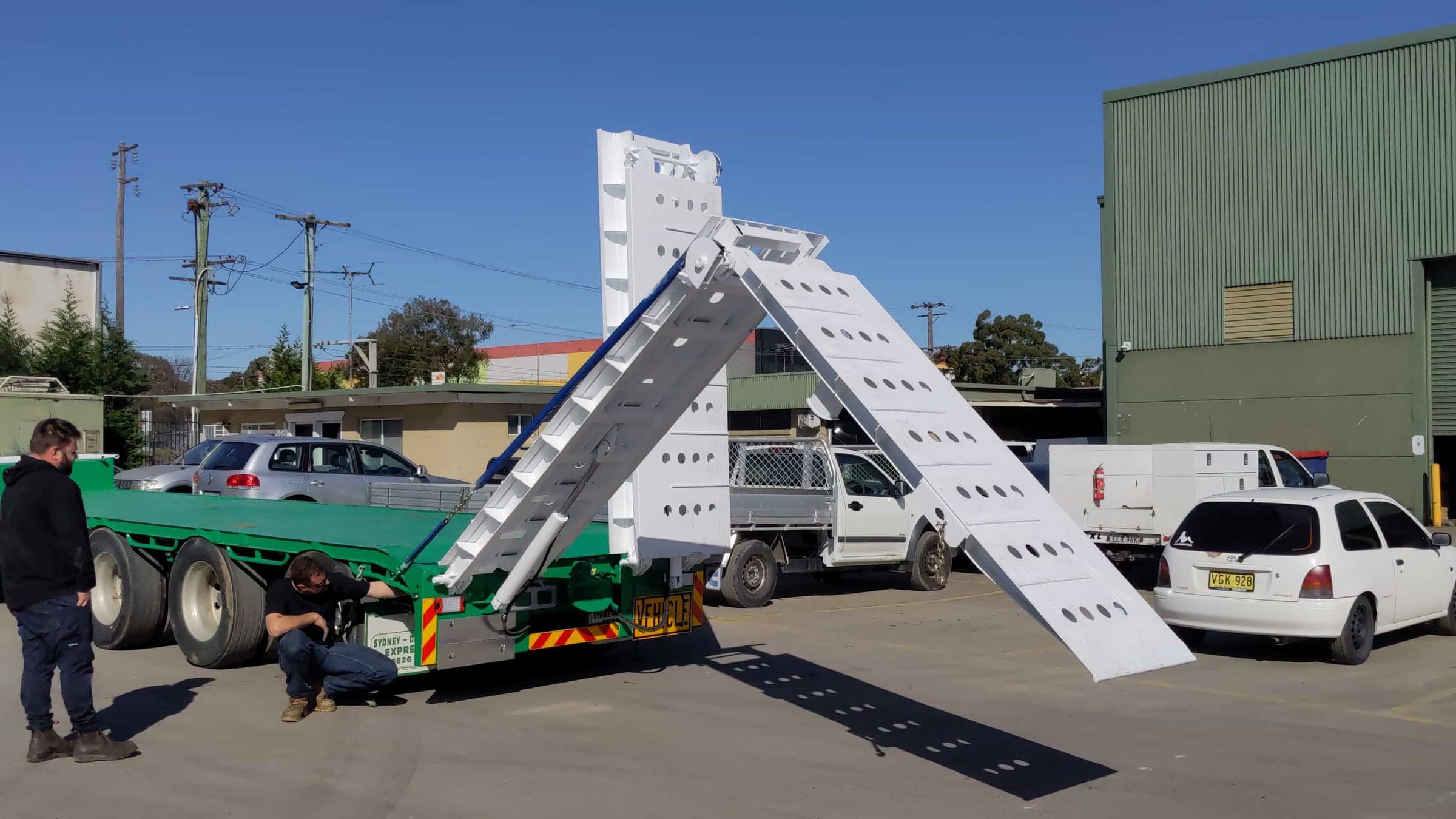
  • Pair of heavy truck ramps secured upright in their stowed position
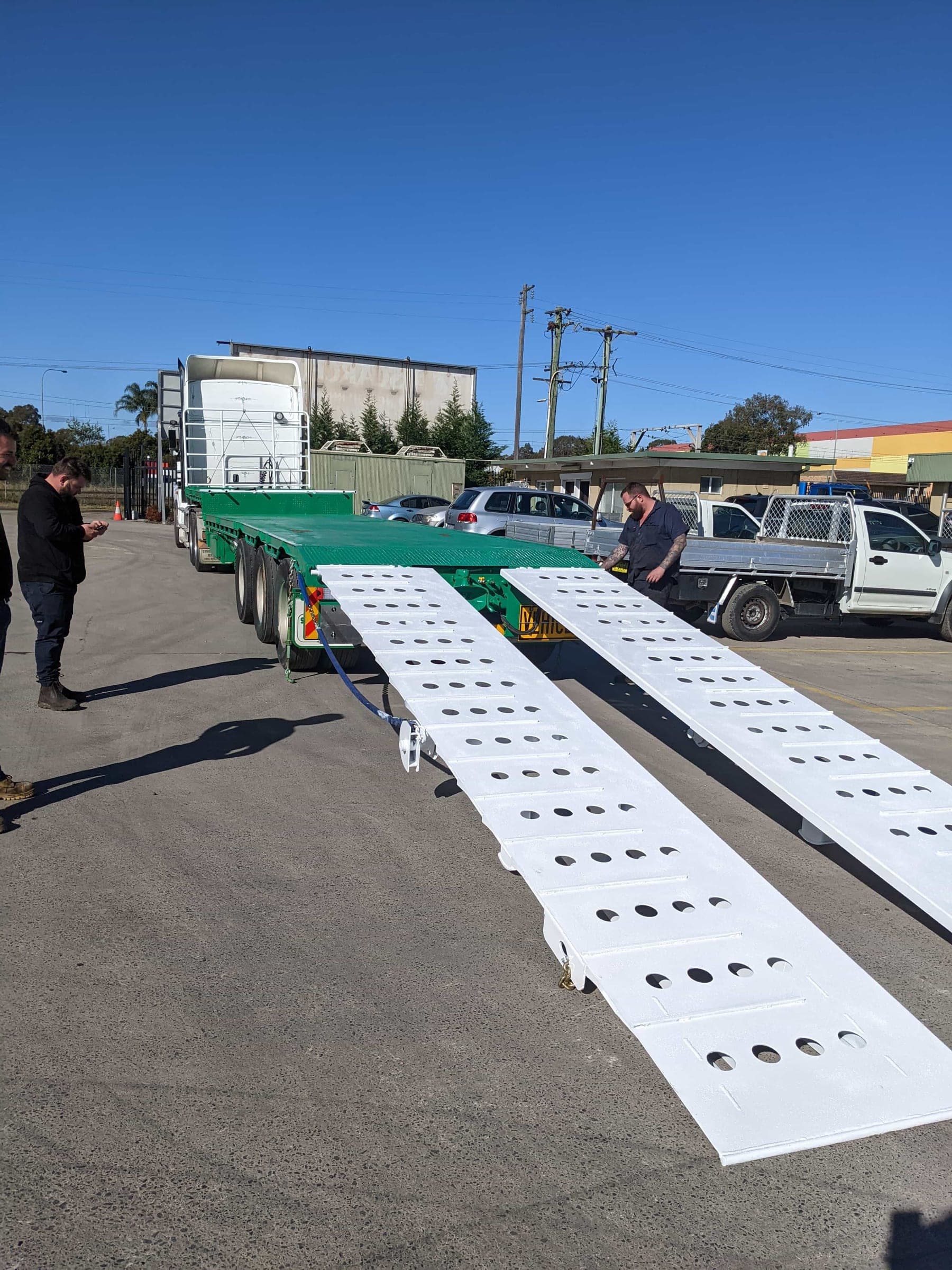
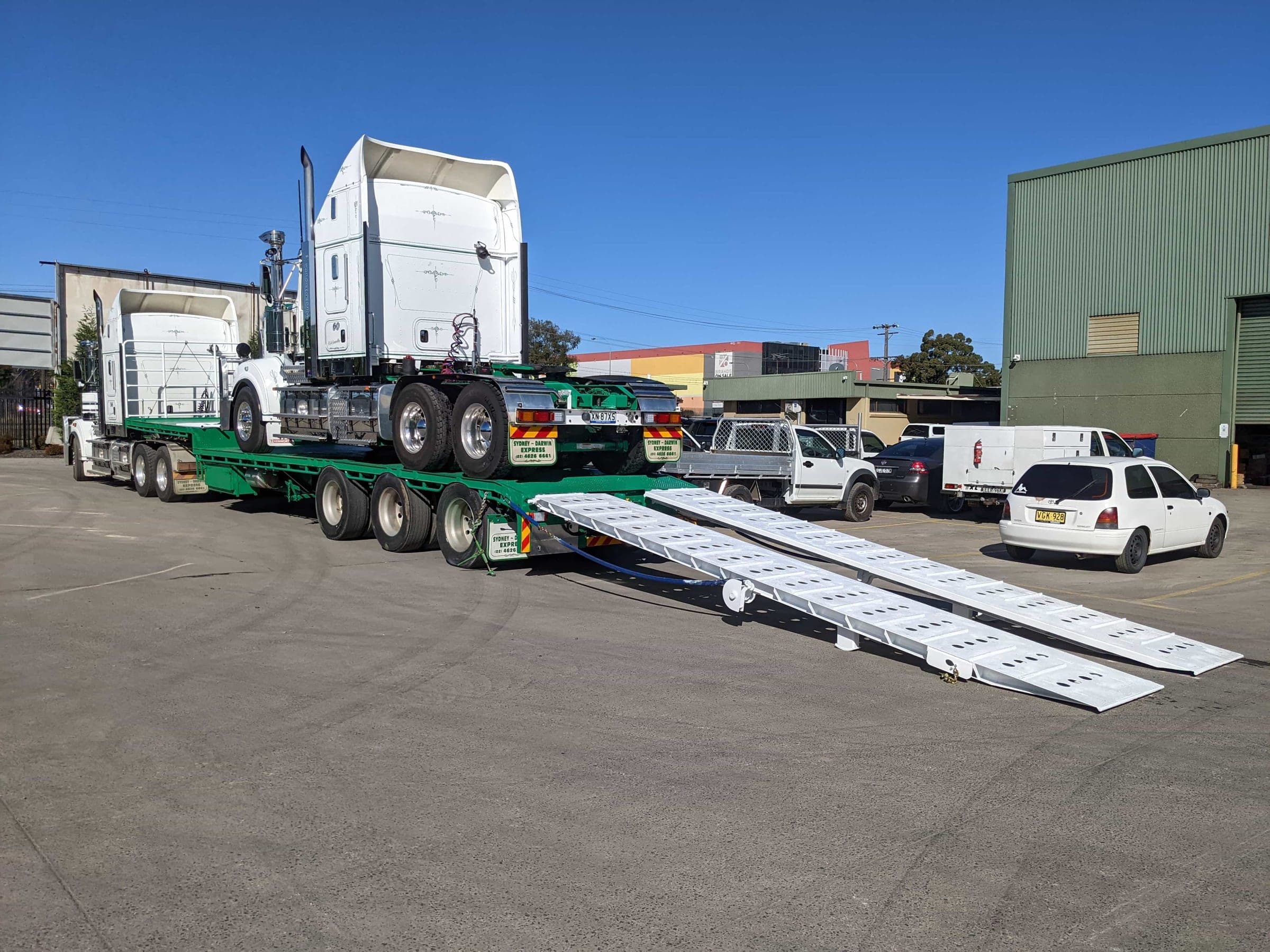
  • Twin truck ramps fully deployed from the rear of the transport trailer
  • Wide view of a loaded truck on the transport trailer with both ramps lowered
  • Close view of the loaded transport trailer and deployed ramp geometry
  • Heavy truck ramp partway through its folding and stowing motion

Media 1 of 16

Client requirements for heavy transport arrive as a description of a job, not a specification. Turning that into something buildable — and legal — was most of the work.

Design and compliance

Complex assemblies designed in SolidWorks, individually and as part of a team. Every design had to satisfy the Road Vehicle Standards Act 2018 (RVSA), with engineering drawings drafted to AS1100. Compliance isn't a step at the end here; it constrains geometry from the first sketch.

Manufacturing

I managed manufacturing on the projects and trained staff across the workshop equipment — CNC machines, brake press and cranes. I ran a high-powered 4-axis fibre laser for sheet and tube components, plus TIG welding and brake press work.

Process improvement

I commissioned the fibre laser cutter and developed new cutting, joinery and engraving techniques around it, which lifted manufacturing efficiency meaningfully. Alongside that I implemented custom scripts to smooth out the software workflows the team relied on daily.

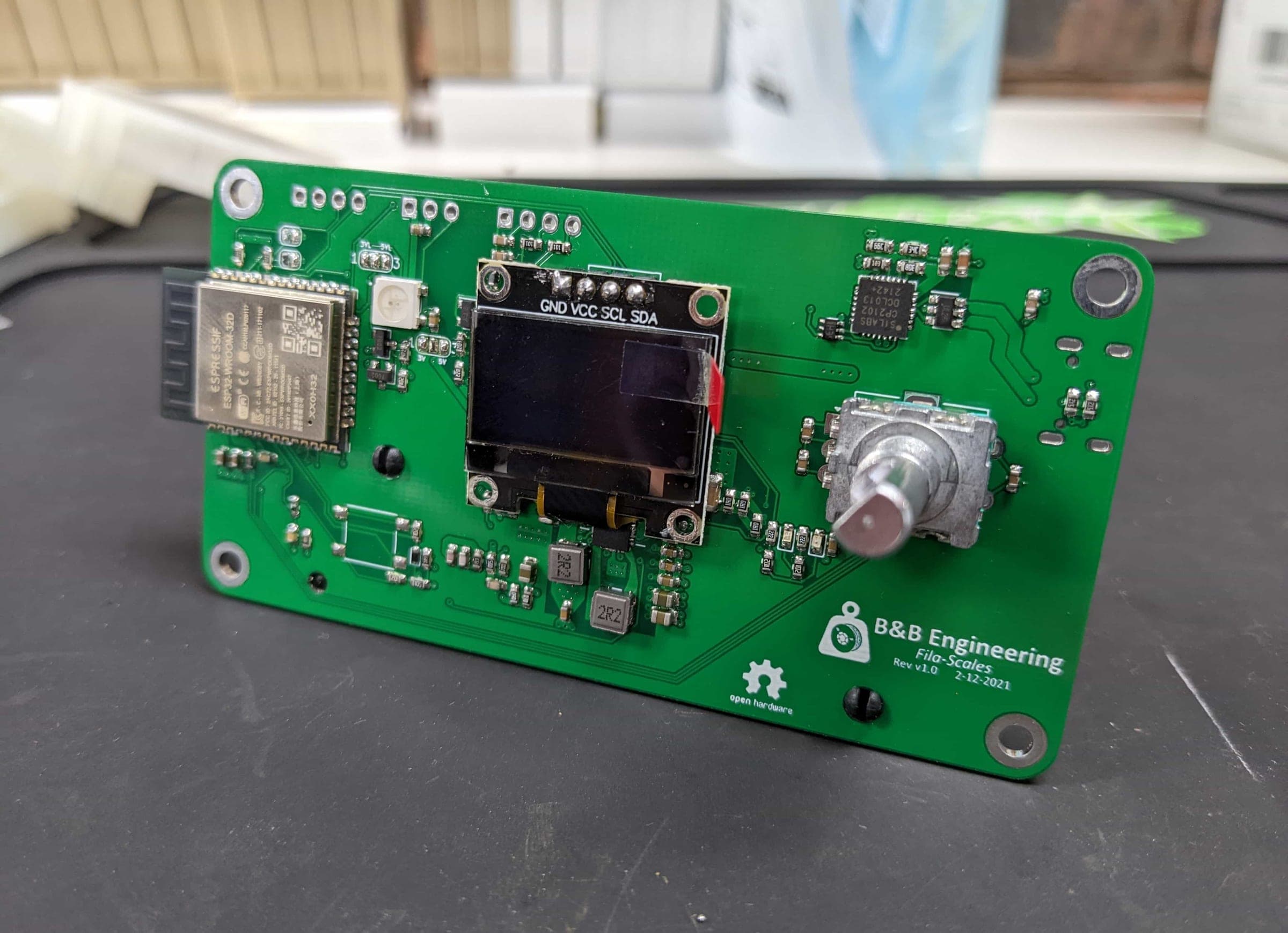
Populated Fila-Scales PCB with its ESP32 module, OLED display, rotary encoder and interface connectors

Personal Project

Fila-Scales Filament Monitor

An all-in-one ESP32 and HX711 controller board for measuring a 3D-printer filament spool and estimating how much material remains.

  • PCB Design
  • ESP32
  • HX711
  • Load Cells
  • Embedded Systems
Read more
  • Populated Fila-Scales PCB with its ESP32 module, OLED display, rotary encoder and interface connectors
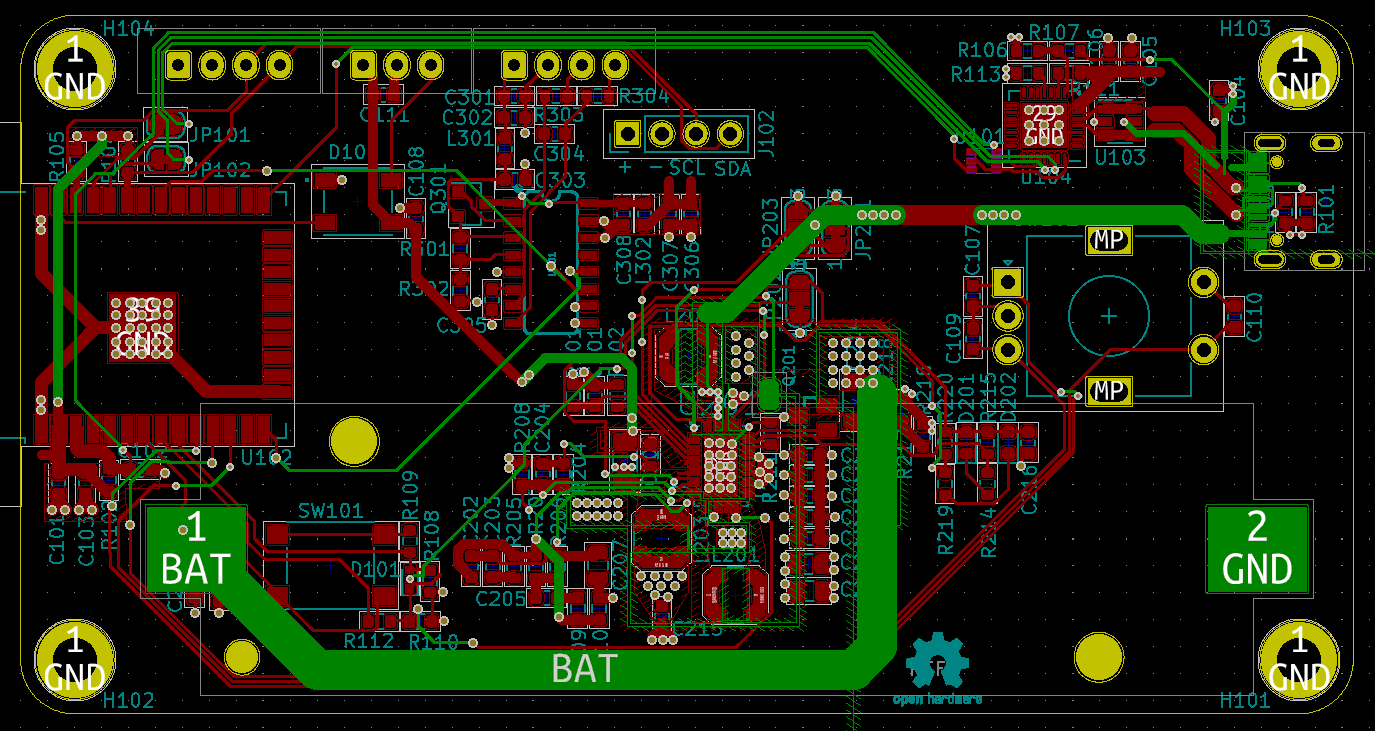
  • PCB layout for the Fila-Scales controller showing component placement, routing and copper regions
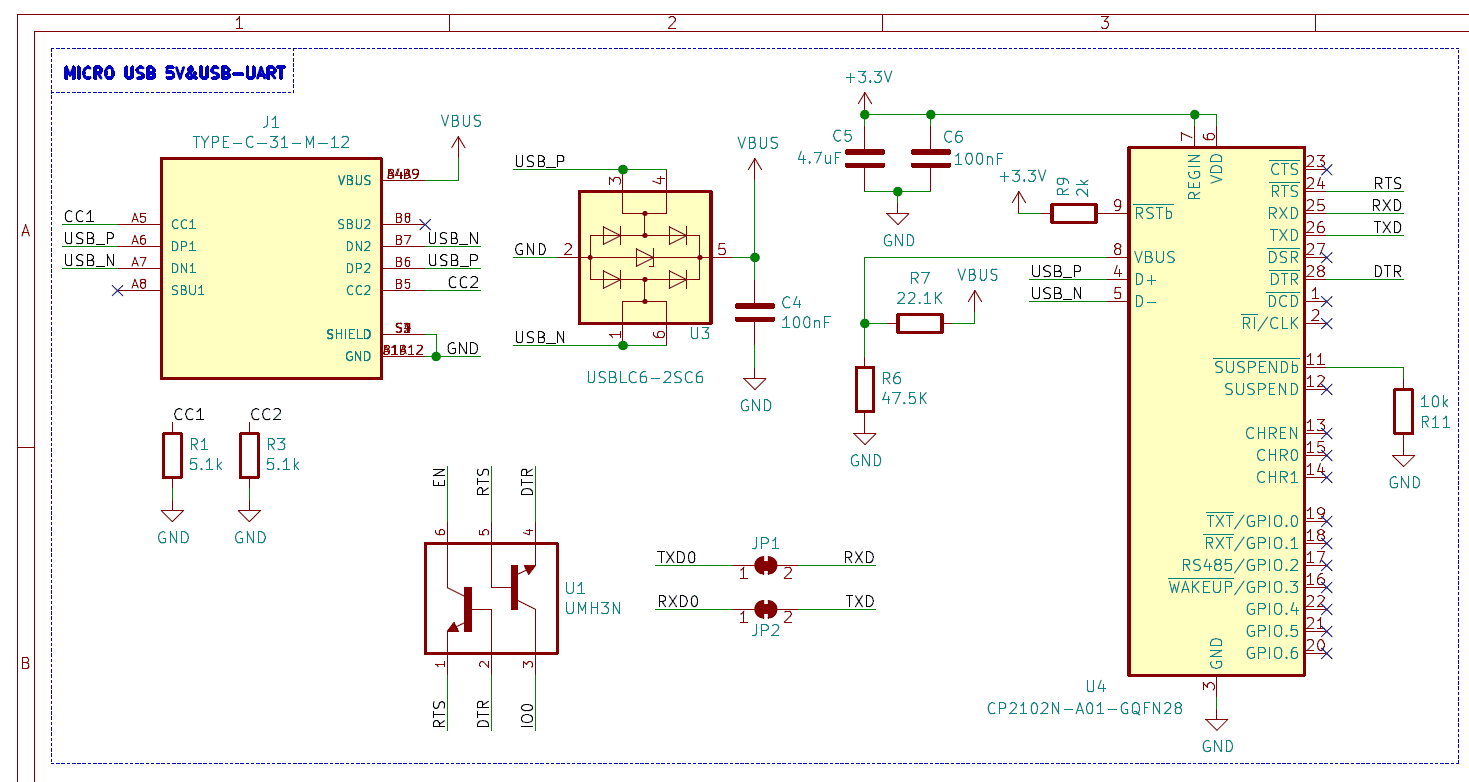
  • USB-C and UART interface schematic developed for the Fila-Scales electronics
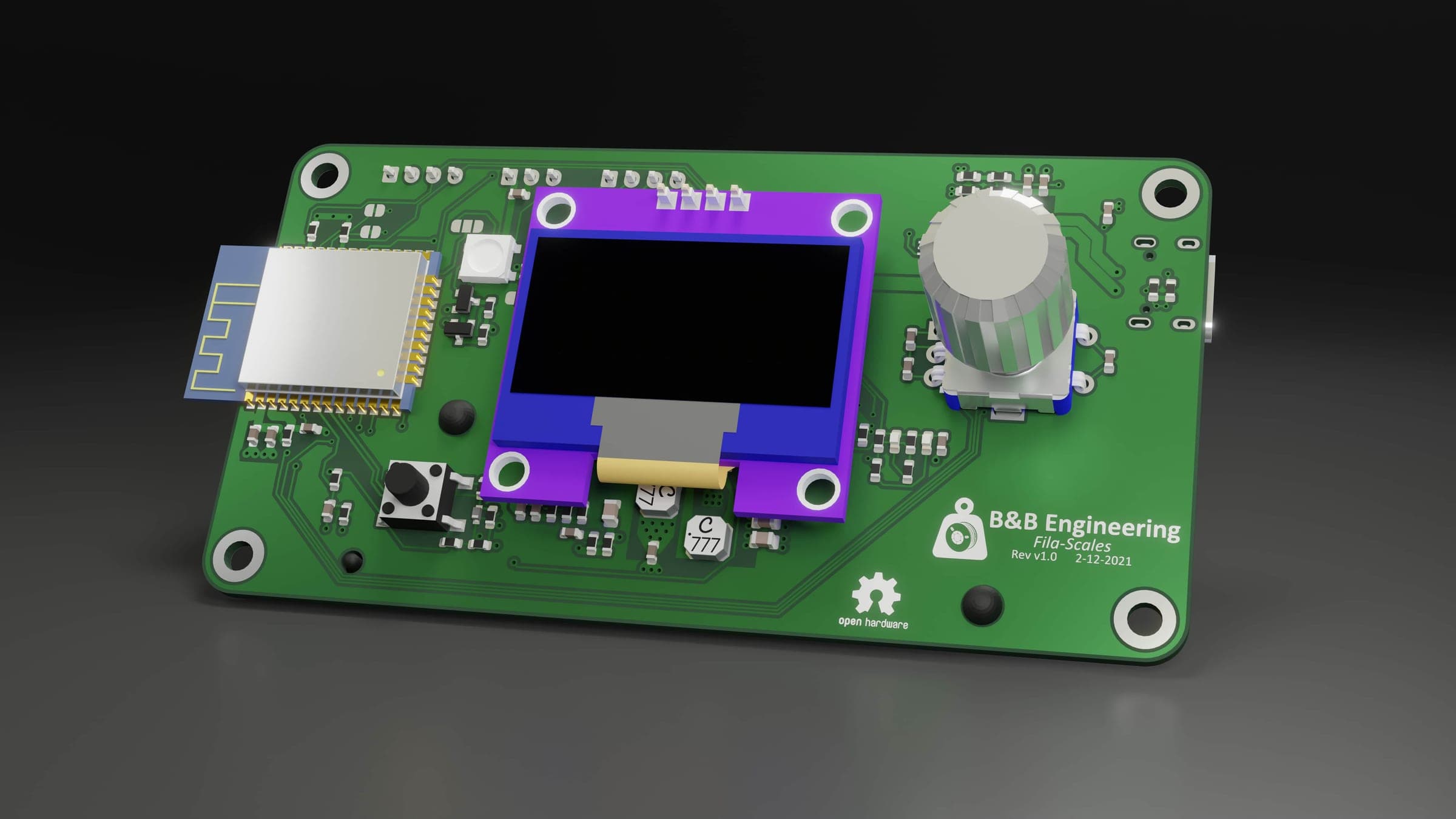
  • Three-dimensional render of the assembled Fila-Scales PCB and its user-interface hardware
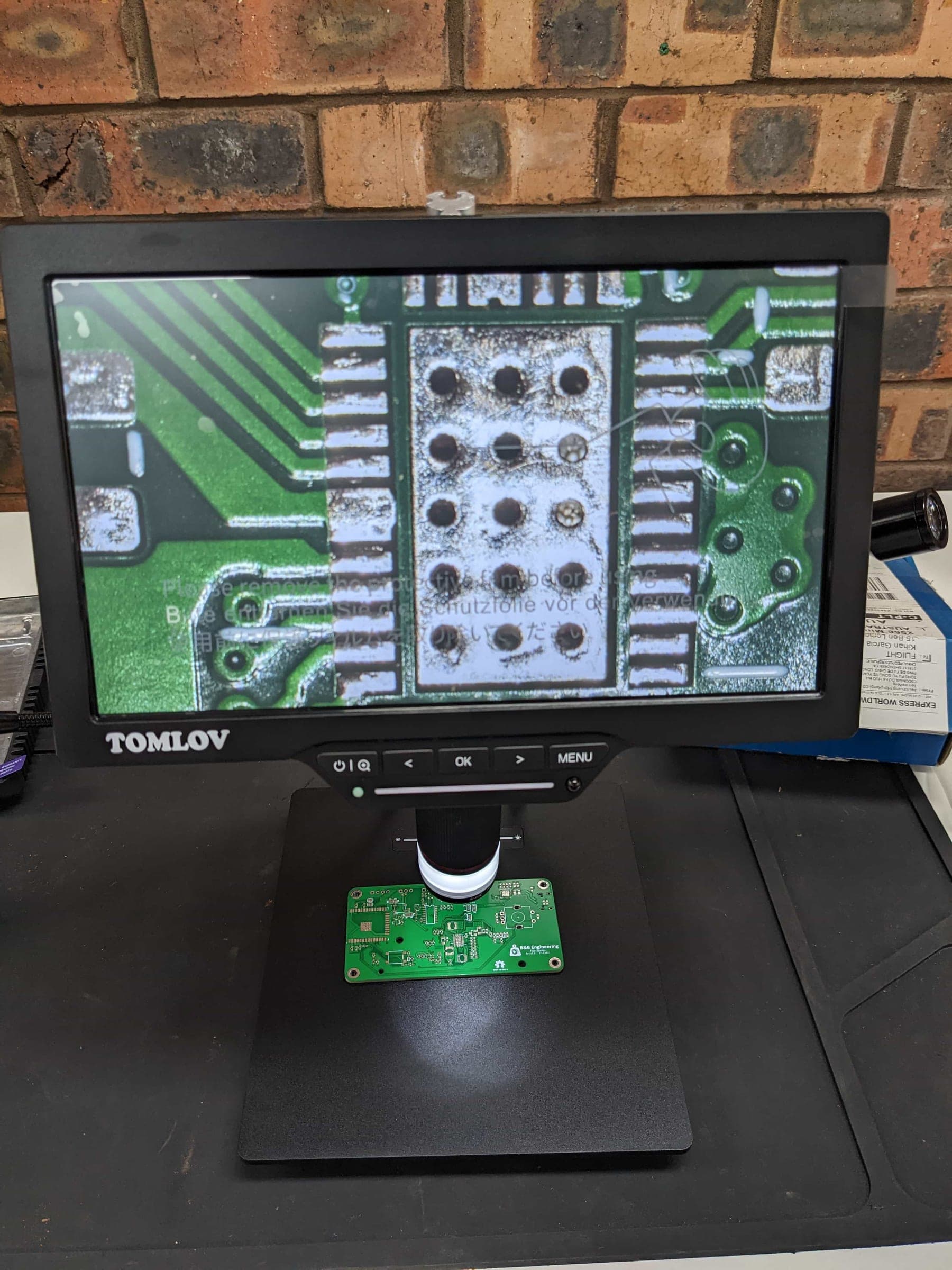
  • Fila-Scales circuit board being inspected and assembled under a digital microscope

Media 1 of 5

Fila-Scales was designed to answer a practical 3D-printing question: is there enough filament left on the spool to finish the next job? The device measures the spool's weight and uses that reading to estimate the remaining material before a print begins.

Electronics

The custom all-in-one PCB is built around an ESP32 and HX711 load-cell converter. Combining the controller and precision weight-measurement interface on one board avoided a collection of separate development modules and produced a compact system that could be installed as a finished device.

The board also integrates its local display and rotary input hardware, power and communications connections, and the supporting USB-C/UART circuitry needed for programming and development.

Development

The work covered schematic capture, PCB layout, three-dimensional design review, board assembly and microscope inspection. Designing the electronics as one purpose-built board kept the measurement signal path and physical packaging under control.

Result

A compact filament-monitoring controller capable of reading the spool load cell and presenting an estimate of the filament remaining, helping avoid prints being started with insufficient material.

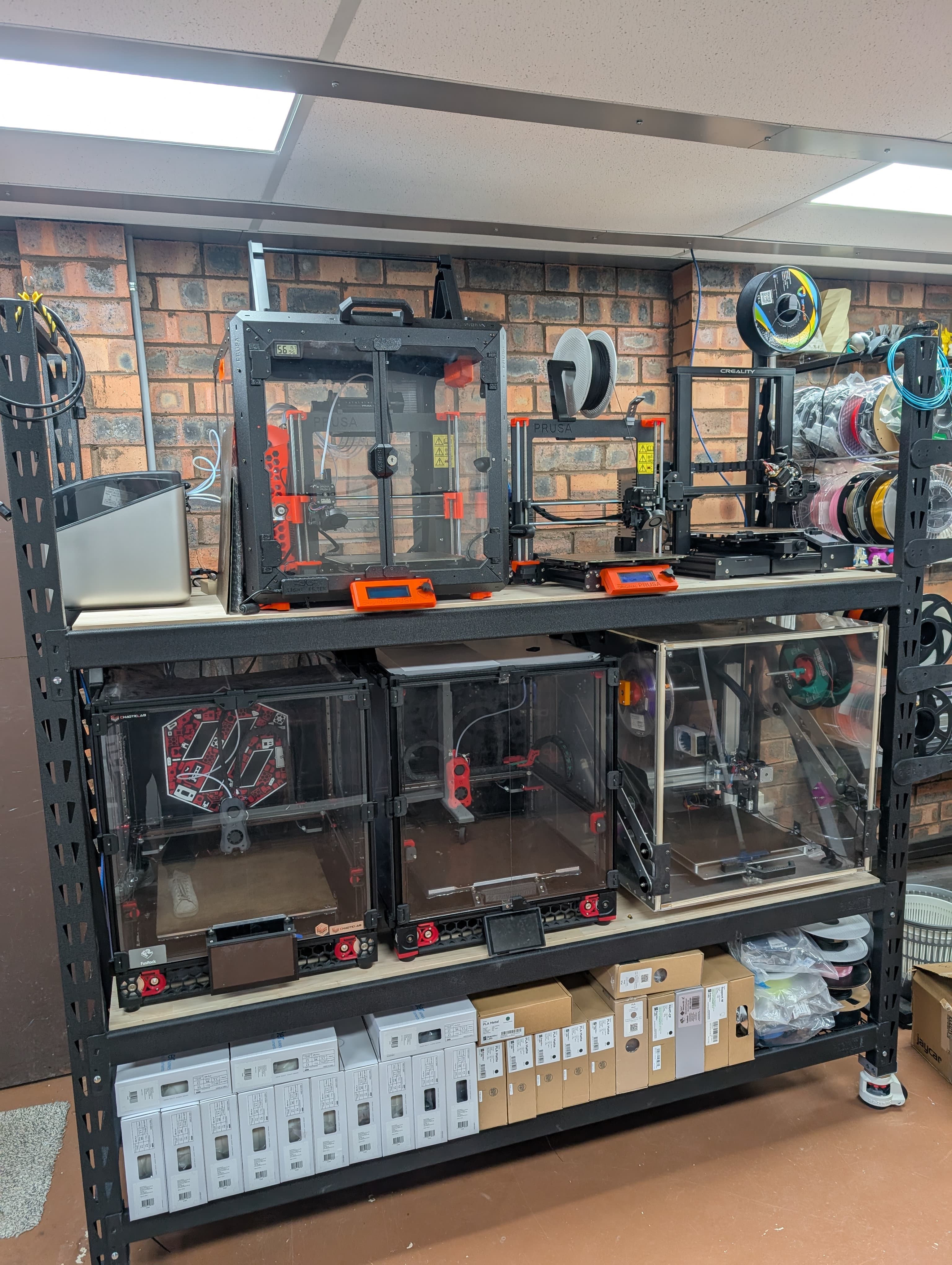
Workshop installation with multiple enclosed FDM printers and a robotic arm mounted above the work area

Custom 3D Printer Systems

Building, upgrading and maintaining custom FDM printers, including an enclosed printer platform and a Voron 2.4 used for repeatable workshop production.

  • 3D Printing
  • Voron 2.4
  • FDM
  • Machine Assembly
  • Maintenance
Read more
  • Workshop installation with multiple enclosed FDM printers and a robotic arm mounted above the work area
  • FDM printer producing a full build plate of matching black workshop brackets
  • FDM printer producing a full build plate of matching black workshop brackets
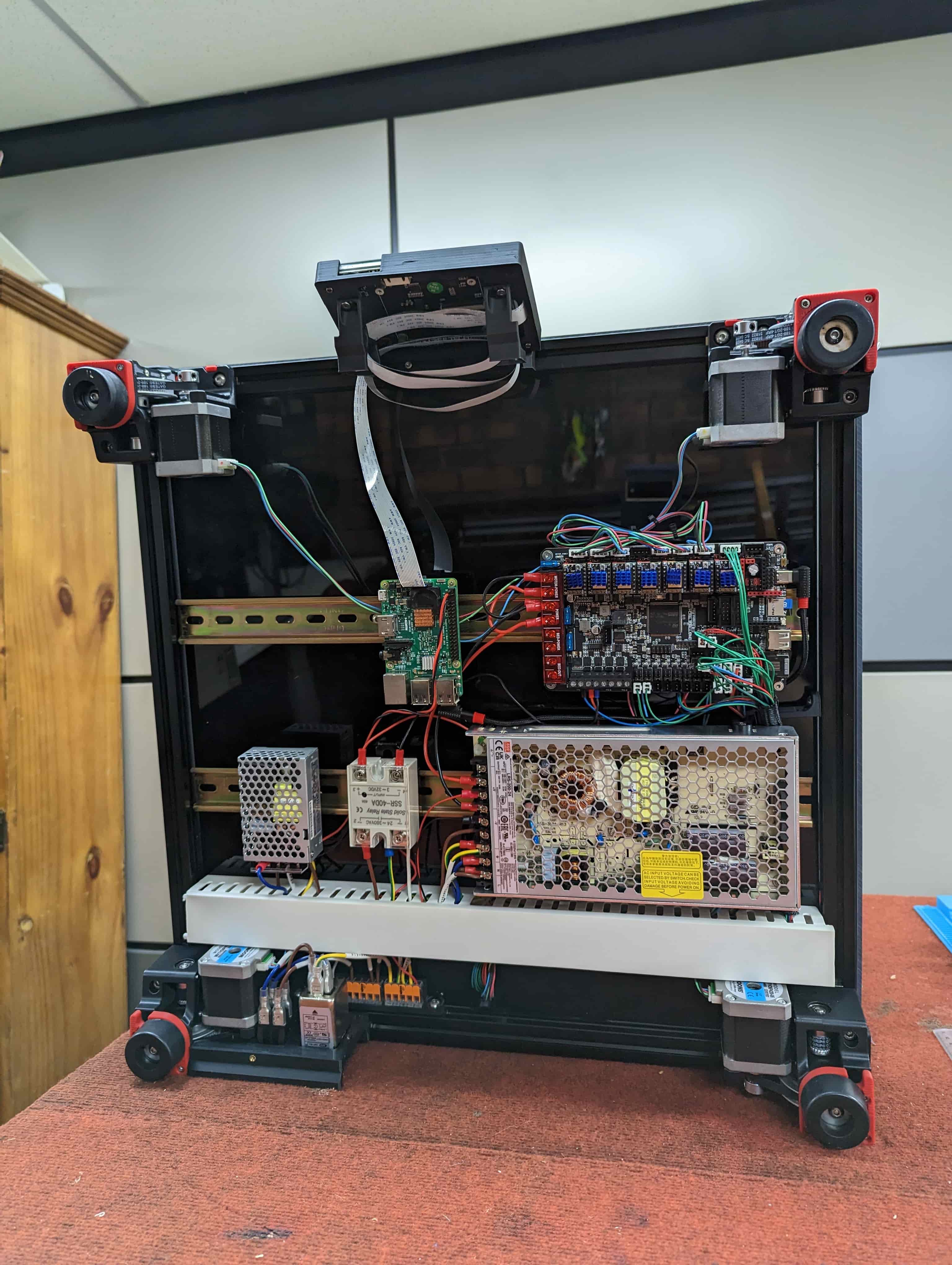
  • Open rear electronics compartment of a custom enclosed printer showing its controller, computer and power supplies

Media 1 of 4

Reliable workshop printing takes more than assembling a stock machine. These systems were built, constructed and maintained as practical production tools, including a custom enclosed printer and a Voron 2.4.

Build and maintenance

The work covered mechanical assembly, electronics integration, enclosure construction and the ongoing calibration and maintenance needed to keep multiple printers producing consistent parts. The enclosed systems provided a controlled build environment while packaging the controller, power supplies and supporting computer into a serviceable machine.

Result

A maintained set of workshop printers capable of repeatable production runs as well as rapid one-off parts, fixtures and design iterations.

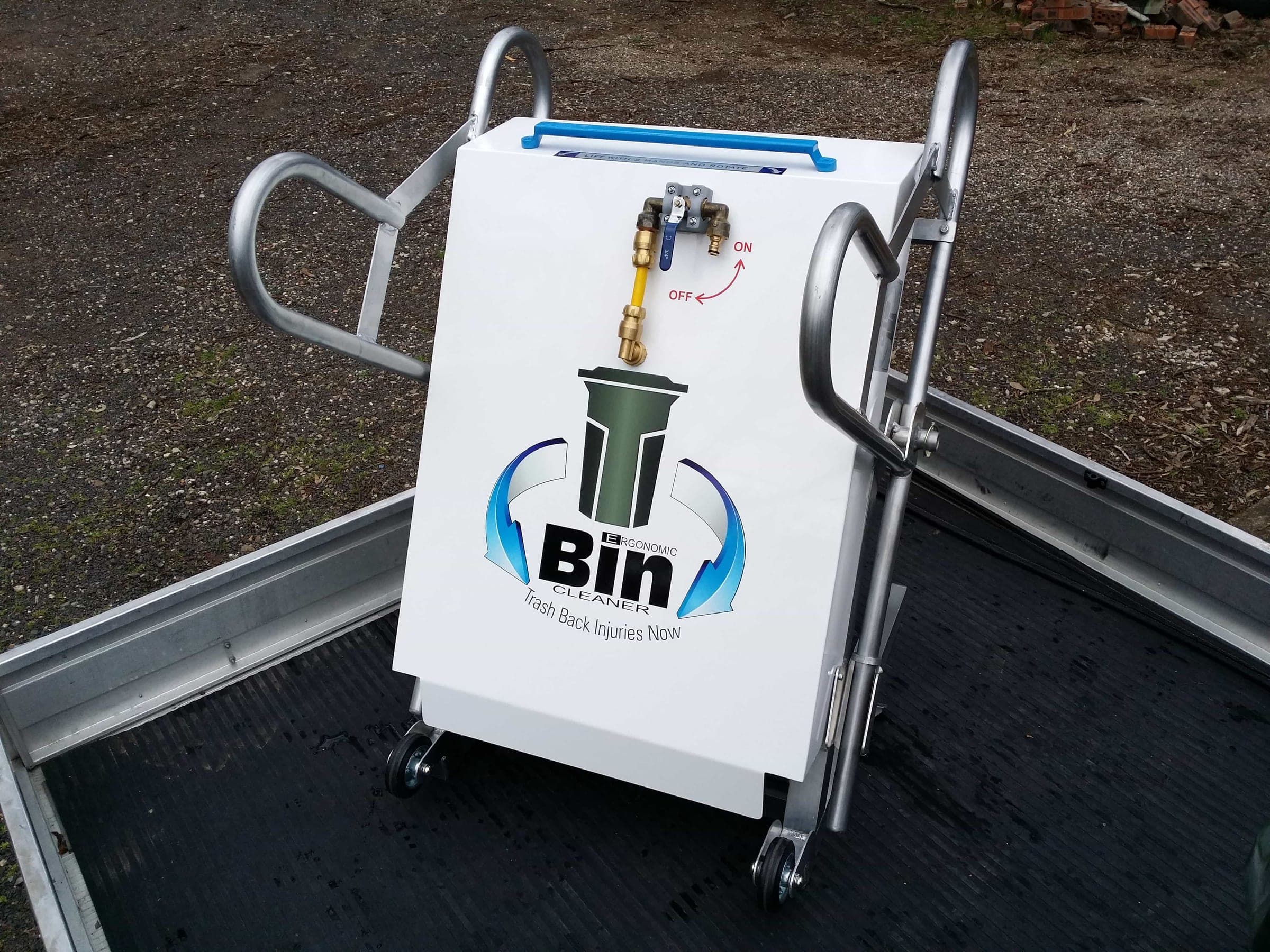
Finished T-Bin cleaning station installed in a trailer with a wheelie bin held in the rotating wash mechanism

Year 12 Design and Technology

T-Bin Cleaning Station

A Year 12 Design and Technology project that made cleaning 40–50 school bins each week safer, less labour-intensive and easier to contain.

  • Product Design
  • Mechanical Design
  • Safety
  • Prototyping
  • SHAPE
Read more
  • Finished T-Bin cleaning station installed in a trailer with a wheelie bin held in the rotating wash mechanism
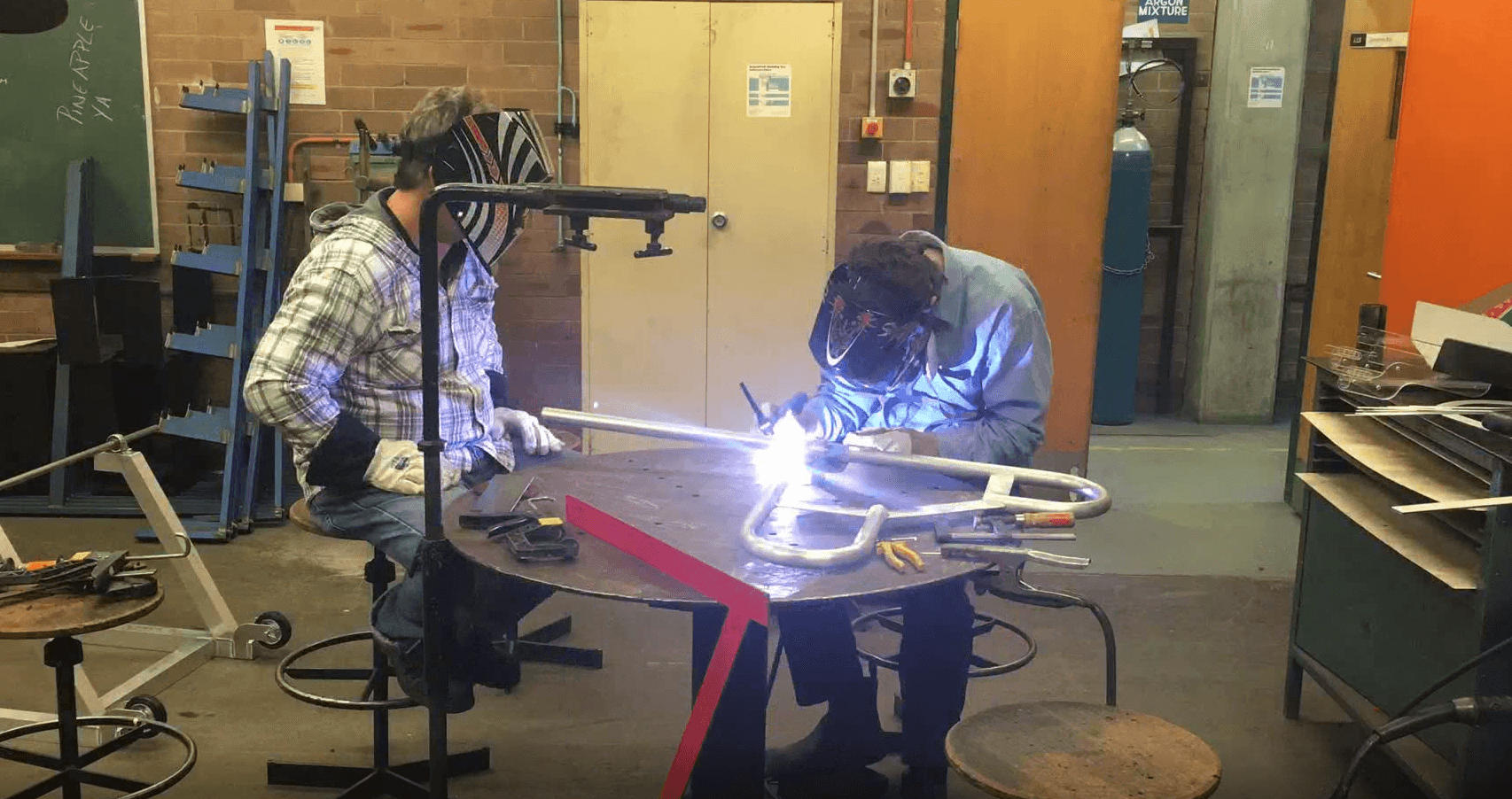
  • Fabrication team welding a tubular steel frame at the workshop bench
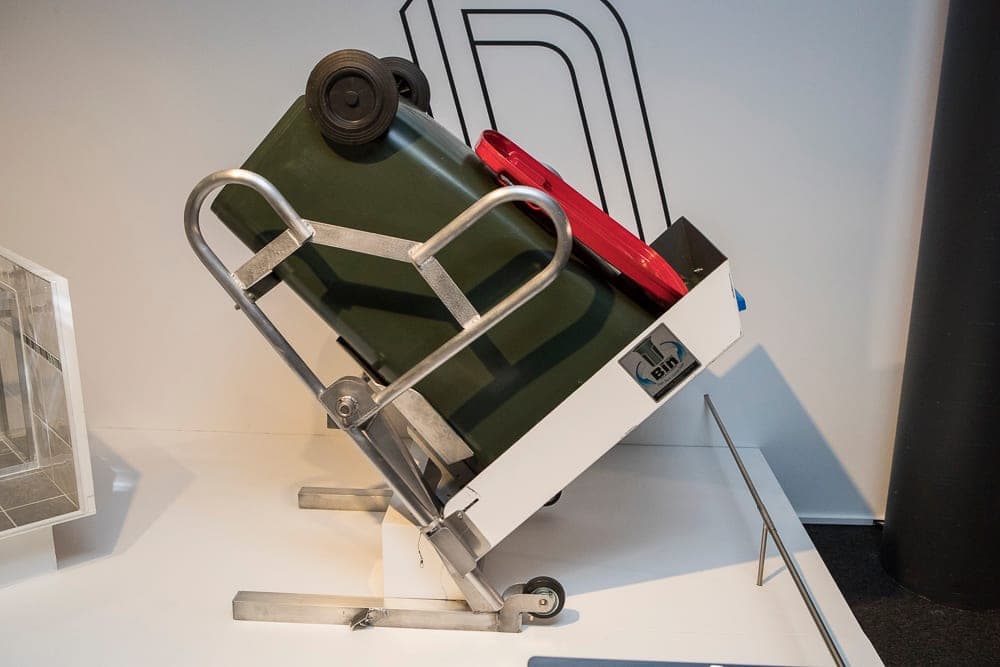
  • T-Bin prototype displayed from the side with a green wheelie bin rotated into its cleaning position
  • Profile view of the T-Bin exhibition display showing the bin-support and rotation structure
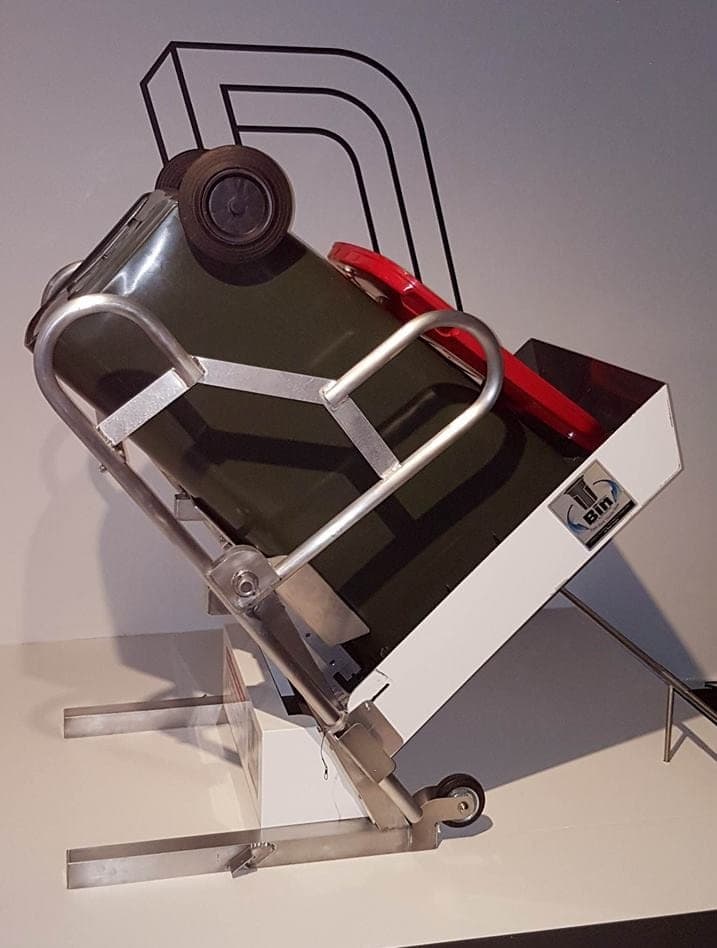
  • Front view of the T-Bin prototype and its supporting design display at SHAPE 2016
  • SHAPE 2016 exhibition placard presenting the T-Bin project and its design documentation
  • Award presentation associated with the T-Bin project at the SHAPE 2016 exhibition

Media 1 of 7

The school cleaned roughly 40–50 wheelie bins every week. Each bin was hosed out manually, stuck rubbish washed onto the ground, and the remaining water then had to be tipped out by hand. Workers repeatedly rotated heavy, wet bins while also cleaning the contaminated debris and runoff left around the wash area.

This was slow, physically demanding and created avoidable manual-handling and slip hazards.

Design response

T-Bin was my Year 12 Design and Technology response to that workflow. The device supported and rotated a wheelie bin into a controlled washing and draining position, reducing the need for workers to wrestle the bin onto its side and tip dirty water out manually.

The portable station brought the bin restraint, rotation and wash area into one system so debris and runoff could be managed at the equipment rather than being spread across the surrounding ground.

Result

The finished functional prototype demonstrated a safer and more repeatable way to process the school's weekly bin-cleaning workload. The project was subsequently selected for display at SHAPE 2016, where the prototype and its design-development documentation were exhibited.

Experience

Where I’ve worked

  1. Mar 2023 — PresentCurrent

    The University of Sydney

    Technical Officer — Faculty of Medicine and Health

    Camperdown, NSW

    • Designed and built a custom gustometer for taste research, handling fluids across a range of viscosities with sensor feedback, pump control and fail-safe features for repeatable delivery.
    • Developed mechanical and electrical data-acquisition systems for exercise equipment, manufactured via wire EDM, CNC machining, fibre laser cutting and 3D printing.
    • Collaborate with researchers and technical staff on intricate mechanical and electrical designs, owning deliverables through to milestone.
  2. Dec 2021 — Mar 2023

    Austate Services

    Design and Manufacturing Engineer (Contractor)

    Minto, NSW

    • Designed custom trailers for heavy transport vehicles in SolidWorks, ensuring compliance with the Road Vehicle Standards Act 2018 and drafting to AS1100.
    • Commissioned a high-powered 4-axis fibre laser cutter and developed new cutting, joinery and engraving techniques, improving manufacturing efficiency.
    • Managed project manufacturing and trained staff on CNC machines, brake press and cranes, while upholding WHS practices and preventative maintenance.
  3. Jun 2021 — Sep 2022

    Fliight Technologies

    Mechatronics Engineer

    Wollongong, NSW

    • Developed custom drone payloads for high-voltage powerline applications, covering hardware and software control through to field testing and debugging.
    • Designed schematics and PCBs in KiCad for power and signal management, then assembled SMD and through-hole boards — including building a DIY reflow oven for efficient SMD runs.
    • Designed, manufactured and assembled a bespoke cable camera car using 3D printing, CNC routing and laser cutting.
  4. Dec 2019 — Feb 2020

    The University of Sydney

    Mechatronics Project Collaboration — Drone On Demand

    Camperdown, NSW

    • Explored 3D printing and manufacturing techniques for small unmanned aircraft wings using advanced materials.
    • Developed a Python interface layer to automate 3D printer operation.
  5. Feb 2019 — Jan 2020

    Rise Above

    UAV Technician

    Smeaton Grange, NSW

    • Designed and retrofitted custom UAV payload solutions using CAD, C++ and Python, interfacing Arduino, servos and rotary encoders.
    • Provided technical support for custom UAV builds and modifications on enterprise platforms.
  6. Feb 2018 — Dec 2019

    Skope Group Comm-Klad

    CNC Machine Operator

    Campbelltown, NSW

    • Operated a 3-axis, automatic 7-tool CNC machine autonomously, handling bulky and high-value materials.

Education and awards

Education

  • University of Wollongong

    2017 — 2022

    Bachelor of Mechatronics Engineering (Honours)

    Honours Class II, Division 1

  • TAFE NSW

    2016

    Statement of Attainment — CAD Design and Manufacturing

    Campbelltown, NSW

Awards

  • 2017Alan Broady Memorial PrizeThe University of Sydney
  • 2016South32 Illawarra Coal SustainabilityUniversity of Wollongong
  • 2016HSC Shape ExhibitionPowerhouse Museum